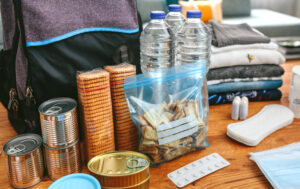

When I first started putting together my bug-out bag, I had no idea how much thought would go into selecting the right emergency foods. It wasn’t until a power outage left my family scrambling for supplies that I realized the importance of being prepared. That experience sparked my journey into the world of emergency preparedness, and I’ve learned a lot along the way.
A bug-out bag is an essential kit designed to help you survive for 72 hours in an emergency situation. One of the most critical components of this bag is emergency food. The right choices can mean the difference between having the energy to overcome challenges and struggling to meet your basic needs.
My Journey in Selecting Emergency Foods
Over the years, I’ve tested countless options and refined my choices based on real-world experiences. Here are the 10 best emergency foods I’ve found for bug-out bags, along with the stories of how they earned their spots in my kit.
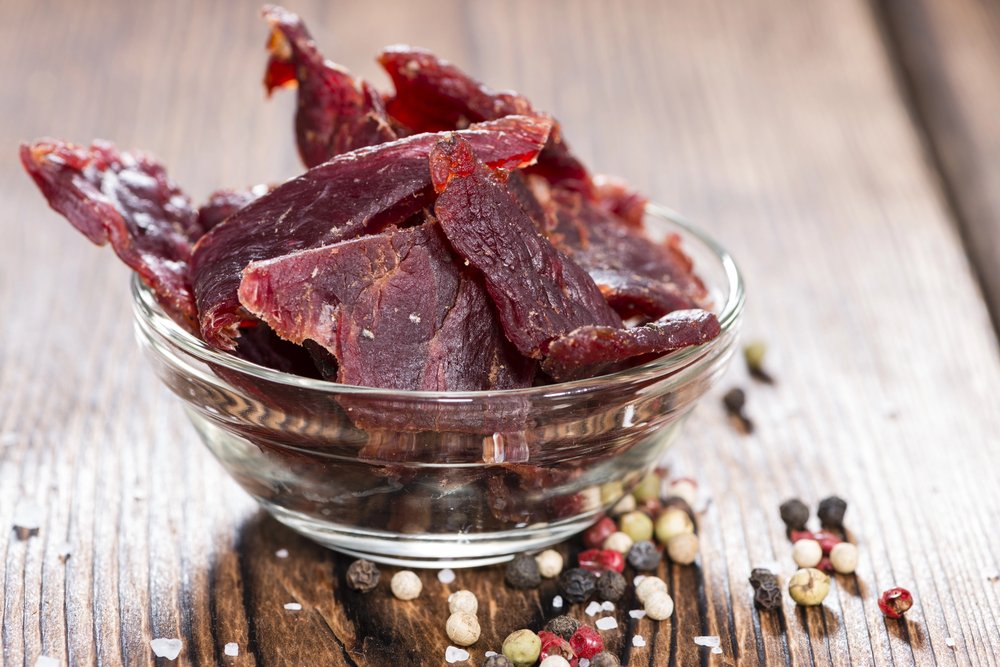
1. Beef Jerky
Beef jerky quickly became a staple in my bug-out bag. Its high protein content and long shelf life make it an ideal emergency food. During a weekend camping trip that unexpectedly turned into a three-day adventure due to a washed-out trail, beef jerky provided the sustained energy I needed to hike back to safety.
Nutritional benefits: high in protein, low in carbohydrates.
Shelf life: 1-2 years when properly stored
Taste and texture: savory and chewy
Preparation: ready to eat
Weight: light and compact
Cost: moderate to high, depending on quality.
2. Peanut Butter Packets
Individual peanut butter packets have saved me more than once. They’re calorie-dense, packed with healthy fats, and require no preparation. During a grueling hike when my energy was flagging, a peanut butter packet gave me the quick boost I needed to keep going.
Nutritional benefits: High in healthy fats and protein
Shelf life: Up to 1 year
Taste and texture: Creamy and rich
Preparation: Ready to eat
Weight: Very light
Cost: Low to moderate
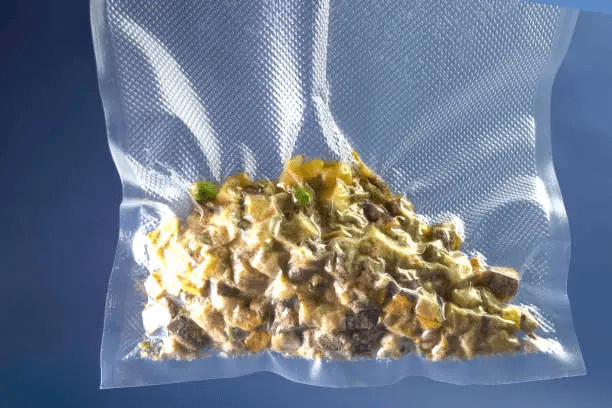
3. Freeze-Dried Meals
I was skeptical about freeze-dried meals at first, but they’ve proven their worth time and again. During a wilderness first aid course, I was grateful for the ease of preparation and surprising tastiness of these meals. Just add hot water, and you’ve got a comforting, nutritious meal in minutes.
Nutritional benefits: Balanced meals with proteins, carbs, and fats
Shelf life: 25-30 years
Taste and texture: Varies, but generally good
Preparation: Add hot water and wait 5-10 minutes
Weight: Light
Cost: Moderate to high
4. Energy Bars
Energy bars are a compact source of quick calories. They’ve been a lifesaver during long days of emergency preparedness training when I needed a fast energy boost. Look for bars with a good balance of carbs, protein, and healthy fats.
Nutritional benefits: Balanced mix of macronutrients
Shelf life: 6-12 months
Taste and texture: Varies, often sweet and chewy
Preparation: Ready to eat
Weight: Very light
Cost: Low to moderate
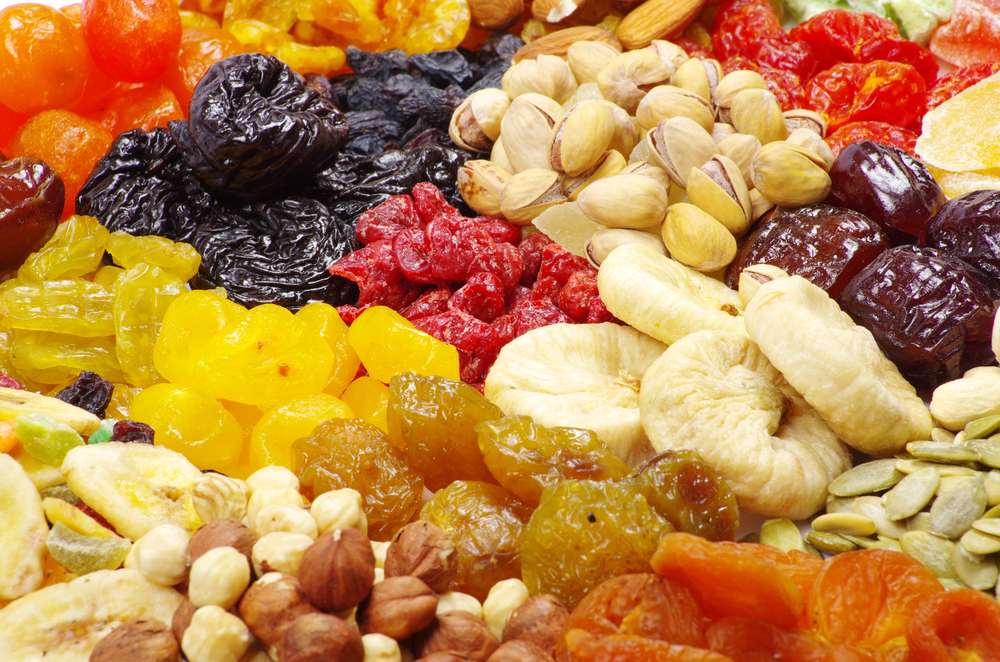
5. Dried Fruits
Dried fruits provide essential vitamins and natural sugars for quick energy. They’ve been a mood-lifter during stressful situations, offering a sweet treat that’s also nutritious. Raises, dried cranberries, and dried apricots are my top picks.
Nutritional benefits: High in vitamins and natural sugars
Shelf life: 6-12 months
Taste and texture: Sweet and chewy
Preparation: Ready to eat
Weight: Light
Cost: Low to moderate
6. Instant Oatmeal Packets
Instant oatmeal has become my go-to breakfast option in my bug-out bag. It’s easy to prepare, filling, and provides steady energy. During a cold morning at a survival skills workshop, a warm bowl of oatmeal was exactly what I needed to start the day right.
Nutritional benefits: High in carbohydrates and fiber
Shelf life: 1-2 years
Taste and texture: Creamy and comforting
Preparation: Add hot water
Weight: Light
Cost: Low
7. Canned Tuna or Chicken
Canned meats are an excellent source of protein and can be eaten straight from the can if necessary. They’ve been a reliable part of my emergency food supply, providing a satisfying meal even in less-than-ideal circumstances.
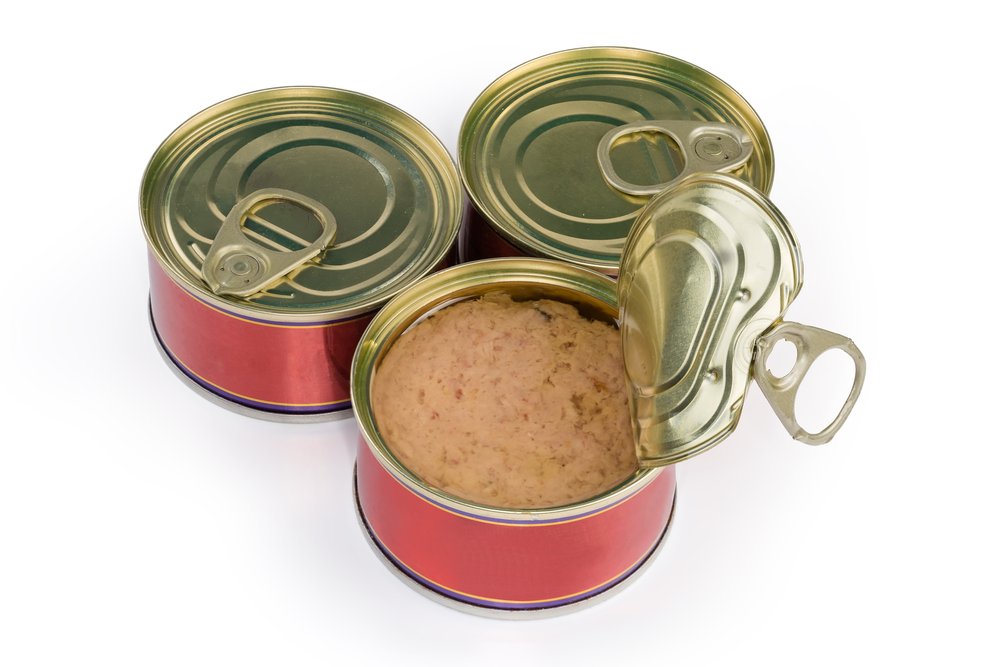
Nutritional benefits: High in protein
Shelf life: 3-5 years
Taste and texture: Savory and tender
Preparation: Ready to eat or can be heated
Weight: Moderate
Cost: Low to moderate
8. Electrolyte Powder Packets
While not a food per se, electrolyte powders are crucial for maintaining hydration and energy levels. They’ve helped me avoid dehydration during intense physical activities and in hot weather conditions.
Nutritional benefits: Replenishes essential minerals
Shelf life: 1-2 years
Taste and texture: Varies, often slightly sweet
Preparation: Mix with water
Weight: Very light
Cost: Low to moderate
9. Nut and Seed Mix
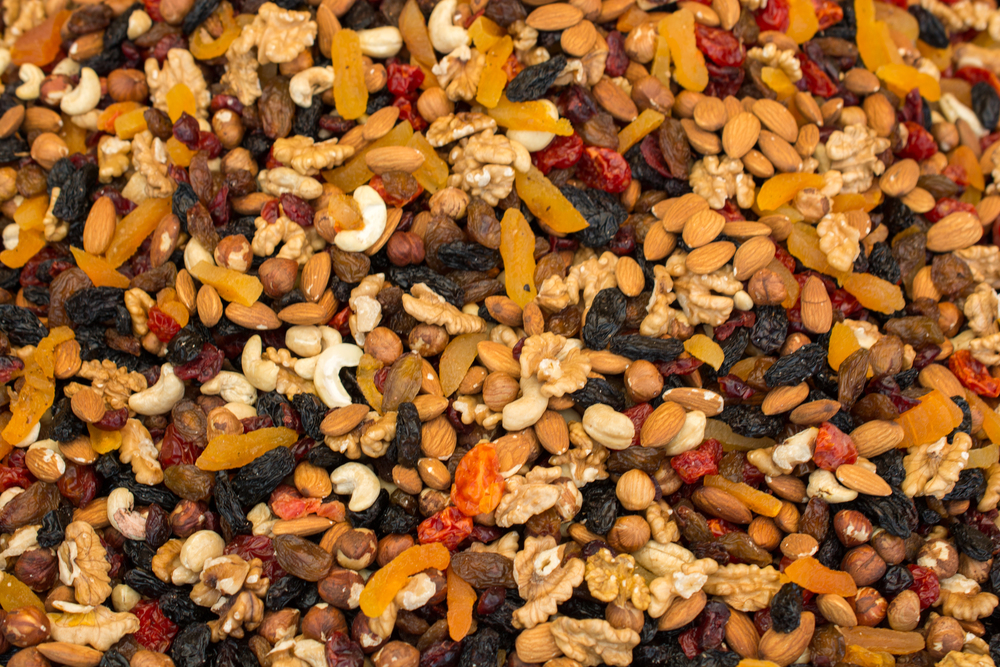
A custom mix of nuts and seeds provides a good balance of protein, healthy fats, and micronutrients. This mix has been a reliable snack during long periods of stress, helping me maintain focus and energy.
Nutritional benefits: High in healthy fats, protein, and various micronutrients
Shelf life: 3-6 months
Taste and texture: Crunchy and satisfying
Preparation: Ready to eat
Weight: Light
Cost: Moderate
10. Dark Chocolate
Dark chocolate is more than just a treat, it’s a calorie-dense food that can provide quick energy and a psychological boost. During a particularly challenging survival training, a small piece of dark chocolate was a welcome morale booster..Nutritional benefits: High in antioxidants and provides quick energy
Shelf life: 1-2 years
Taste and texture: Rich and slightly bitter
Preparation: Ready to eat
Weight: Light
Cost: Low to moderate

Key Considerations in Selecting Emergency Foods
Through my experiences, I’ve learned several important factors to consider when choosing emergency foods:
Nutritional Balance
Aim for a mix of carbohydrates, proteins, and fats. Carbs provide quick energy, proteins help with satiety and muscle maintenance, and fats offer long-lasting energy.
Water Requirements
Some foods require water for preparation. Always have more water than you think you’ll need, and consider foods that don’t require additional water.
Special Dietary Needs
Account for any food allergies, intolerances, or dietary restrictions. There are many gluten-free, vegetarian, and vegan options available for emergency foods.
Multi-Purpose Items
Choose foods that can serve multiple purposes. For example, peanut butter can be a snack, a spread, or added to other foods for extra calories and flavor.
Comfort Foods
Don’t underestimate the psychological impact of familiar, comforting foods during stressful situations.
Seasonal Variations
Consider how temperature extremes might affect your food choices. Some items may melt in hot weather or freeze in cold conditions.
Rotation Strategy
Regularly check and rotate your emergency food supply to ensure freshness. I typically review my bug-out bag contents every six months.

Practical Advice
Choosing and packing emergency foods
- Start with the basics: high-energy, non-perishable foods.
- Consider your personal tastes and dietary needs.
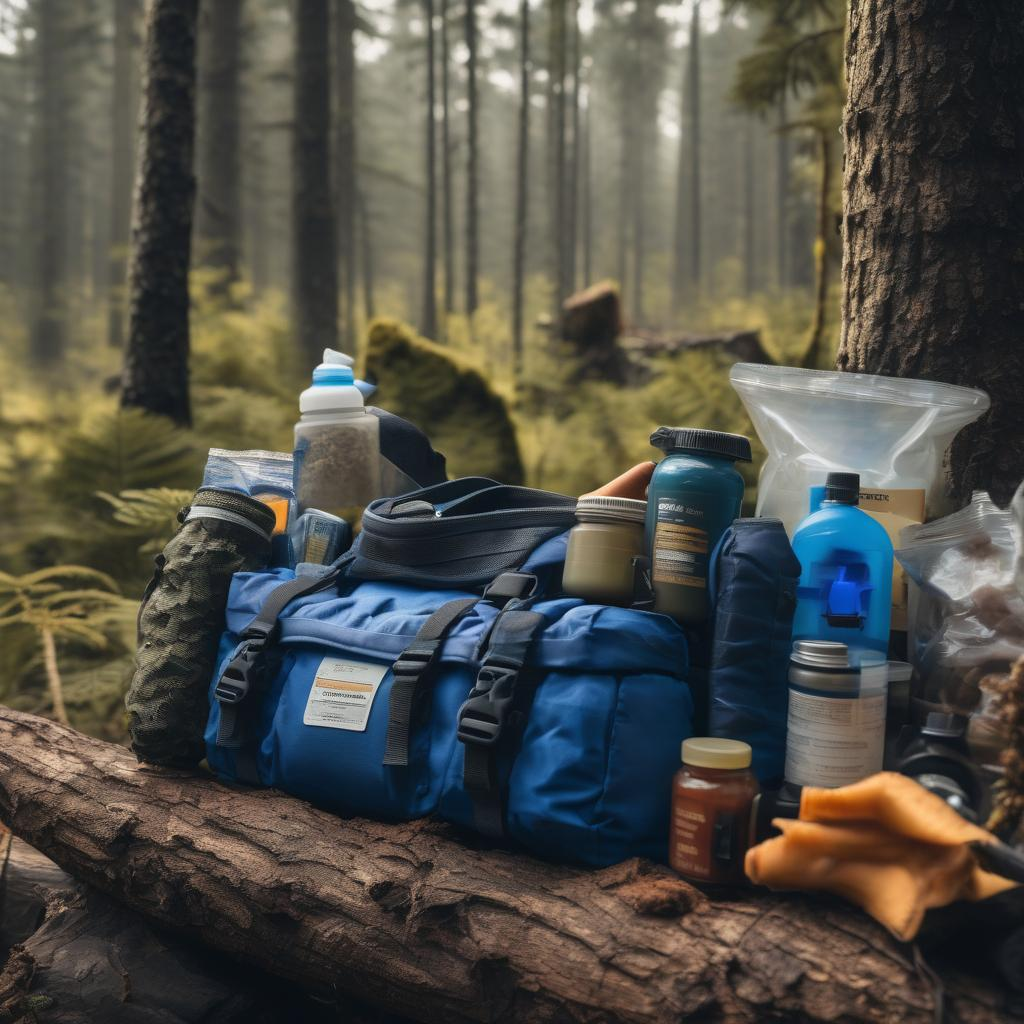
- Pack foods in waterproof, resealable bags.
- Organize foods by meal or by day for easy access.
Optimal Storage Conditions
- Store foods in a cool, dry place.
- Protect from direct sunlight and extreme temperatures.
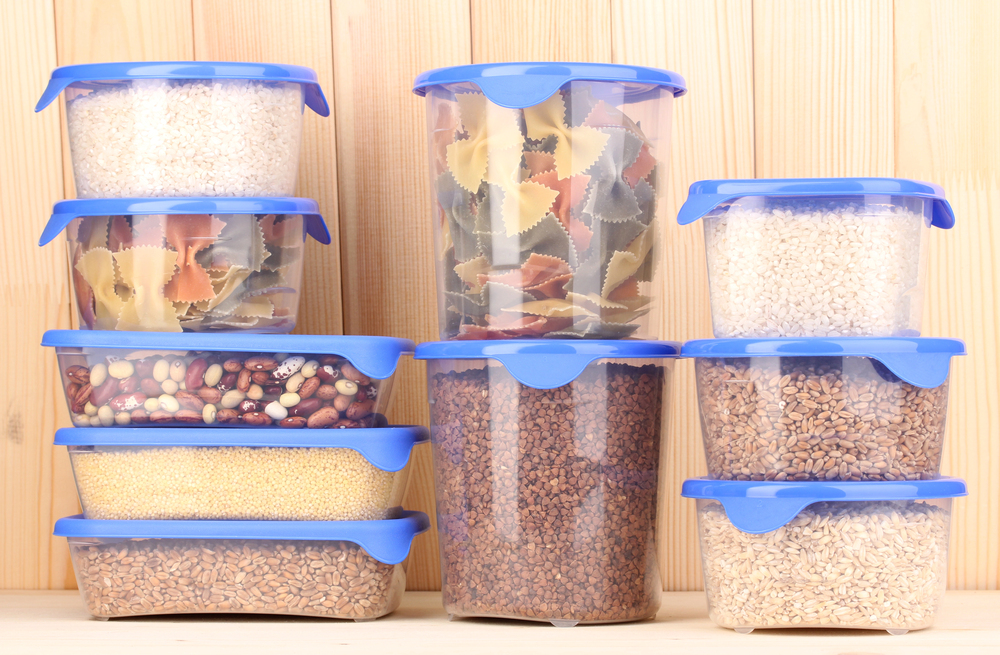
- Use airtight containers to prevent moisture and pests.
Portioning and accessibility
- Pack individual portions for easy rationing.
- Keep high-energy snacks easily accessible.
- Use a packing system that allows you to find items quickly.
Complementing with Foraging
- Learn about edible plants in your area.
- Pack a reliable field guide to edible plants.
- Remember that foraging should supplement, not replace, your packed foods.
Challenges and Solutions
One of the biggest challenges I faced was balancing nutritional needs with weight and space constraints. The solution was to focus on calorie-dense, nutrient-rich foods and to use packaging efficiently.
Another issue was food fatigue—eating the same things day after day can be demoralizing. I addressed this by incorporating a variety of flavors and textures in my food choices and including small condiment packets to add variety.
Broader Impact
Preparing my bug-out bag with carefully chosen emergency foods has given me a sense of security that extends beyond just being ready for disasters. It’s made me more mindful of my daily food choices and more appreciative of the abundance we often take for granted.
This journey has also connected me with a community of like-minded individuals who value self-reliance and preparedness. We share tips, test new products, and support each other in our efforts to be ready for whatever challenges may come.
Final Thoughts
Selecting emergency foods for a bug-out bag is more than just a practical exercise—it’s a journey that can transform your outlook on self-reliance and preparedness. Through this process, I’ve learned that being prepared isn’t about fear; it’s about freedom and inner calm. The key is finding balance: be prepared, but don’t let it consume your life. Remember that preparedness is personal, and what works for one person may not be ideal for another. View your emergency food planning as part of a larger preparedness lifestyle, and don’t forget the importance of community. Share your knowledge and contribute to your community’s resilience whenever possible.
As you continue on your preparedness journey, stay flexible and keep learning. Your needs and knowledge will evolve over time, and so should your bug-out bag contents. Remember, each item you pack represents your commitment to facing challenges head-on. It’s a testament to your foresight, a tool for your peace of mind, and a key to your self-reliance. May your preparations give you confidence, your knowledge give you strength, and your readiness bring you peace. Keep refining your plans and supplies, stay curious, and embrace the ongoing process of being prepared for whatever challenges may come your way.