
5 Years of NWT Field Call-Outs Certified
Yukon River & Mountain Expeditions
Multi-Year Field Application, Sub-Arctic
I’ve spent my career operating where mistakes have real consequences — leading energy infrastructure teams across Canada’s Northwest Territories, managing remote field operations in some of North America’s most unforgiving environments, and making the kind of decisions that require both technical precision and wilderness competence in equal measure.
What I learned in those years can’t be found in a textbook. It’s the kind of knowledge that gets built through real northern winters, genuine emergencies, and the responsibility of bringing your team home safely. That’s the foundation of everything taught at WildSurvival101.
“Survival competency isn't built in a moment of crisis. It's built systematically, long before you ever need it.”
— Ian Flood
My relationship with the outdoors started early — Scouts, summer camps, and countless days exploring whatever wilderness was within reach. Those early years taught me the fundamentals: teamwork, navigation, self-reliance. They planted the seed for everything that followed.
But it was in my twenties that I began approaching wilderness skills the same way I’d later approach field operations: systematically. I enrolled in formal navigation training — map-and-compass micro-navigation used by professional expedition teams — and spent time learning to read terrain the way an operator reads a blueprint.
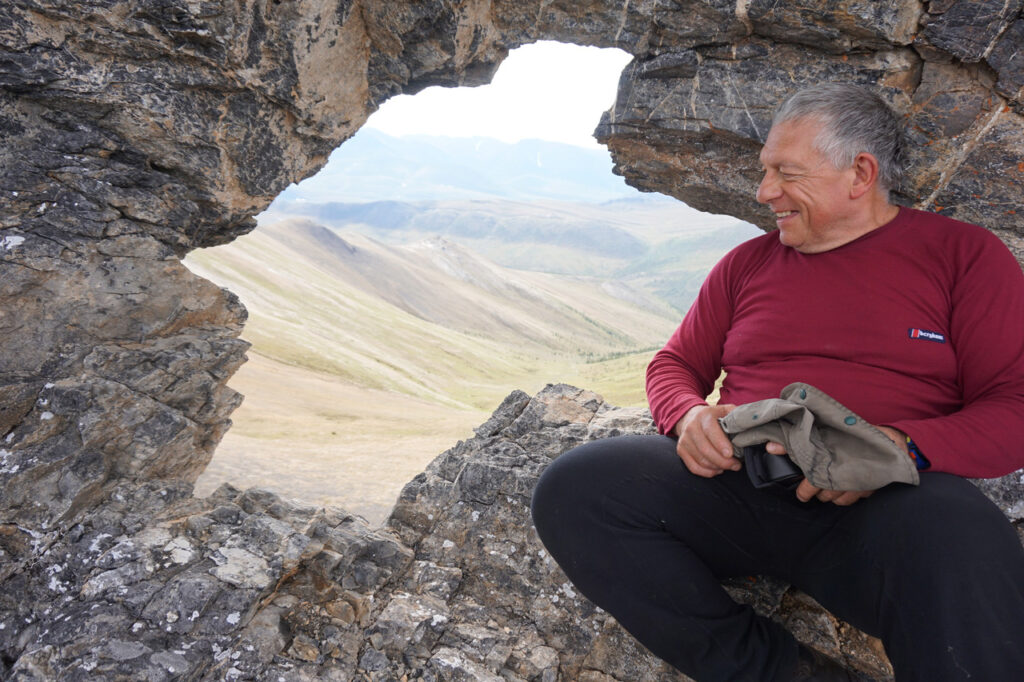
After relocating to Canada, I completed a four-month wilderness guide certification — a rigorous program covering expedition leadership, technical terrain navigation, remote emergency response, and group safety management. One of my first courses was a 10-day outdoor first aid program conducted entirely in winter conditions, where real-world field scenarios replaced classroom theory.
I guided expeditions along the Yukon River, led overnight canoe trips in mountain terrain, and learned — sometimes the hard way — that the gap between prepared and unprepared is almost always the same thing: a system you either have or you don’t.
The Northwest Territories became my most demanding instructor. Long northern winters — running from November through April — don’t allow for skill gaps. I practiced winter camp setup and ice operations regularly, including building snow shelters, ice fishing techniques, cold-weather fire systems, and configuring shelter that can keep a team alive at -40°C.
These weren’t weekend trips. These were operational conditions. The skills I developed and the protocols I built during this period form the technical backbone of the WildSurvival101 curriculum.
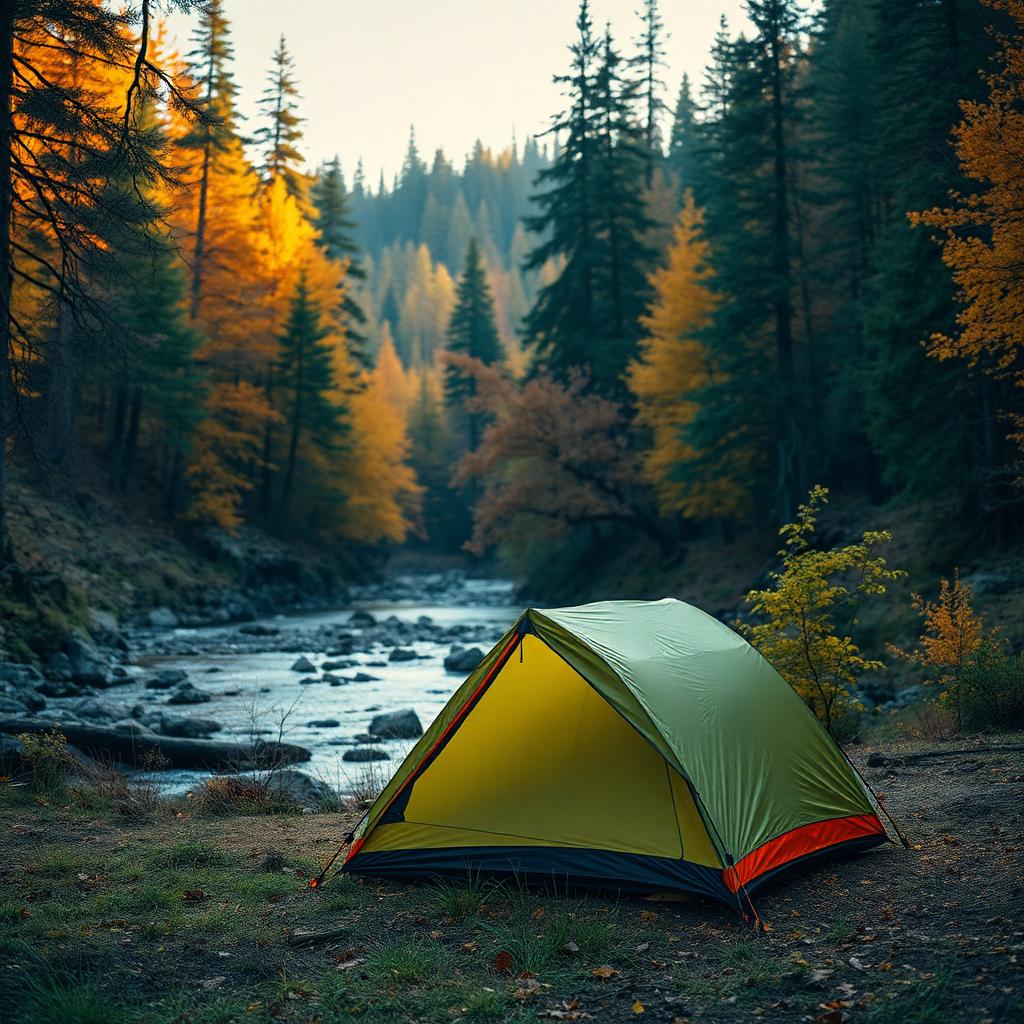
Living in northern Canada’s remote communities, I qualified as an Emergency Medical Responder — training that covered advanced first aid and emergency response in both urban and remote environments. Cold exposure, hypothermia, traumatic injuries, and emergency interventions with no hospital backup nearby. Five years of real call-outs, in real conditions. That combination — wilderness competence and emergency medical response — is rare. It’s what separates field-functional survival training from theoretical instruction.
That combination — wilderness competence and emergency medical response — is rare. It’s what separates field-functional survival training from theoretical instruction.
The professionals who thrive in the wilderness are prepared long before they need to. That’s the philosophy WildSurvival101 is built on — and it’s the same approach I’ve applied across two decades of field operations in Canada’s most demanding northern environments.
The training here is systematic, evidence-based, and designed for people who want real competency — the kind that holds up when conditions change and plans don’t.
"Where systematic field training meets northern wilderness expertise."