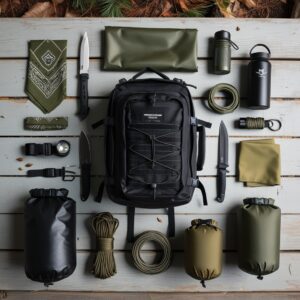
Sun Tzu’s timeless advice resonates across the ages: “Be ready for peace during war and for war during peace.” It’s more than a philosophical concept—it serves as a guiding principle for navigating our chaotic world. Consider it similar to agility training—during times of ease and stability is when you should hone your abilities and stay prepared for any challenges on the horizon. When chaos erupts, be the steady hand that guides, not the panicked voice that adds to the confusion.
As I stood in the aftermath of a devastating flood caused by a nearby river, ankle-deep in icy water, the reality of disaster hit me hard. The air was thick with the scent of mud and diesel, and the eerie silence was broken only by distant shouts and the hum of emergency generators. In that moment, surrounded by our town’s devastation, I realized how unprepared I had been. That experience changed me profoundly, instilling a deep respect for the power of nature and the vital importance of having proper bug out bag essentials ready for anything.
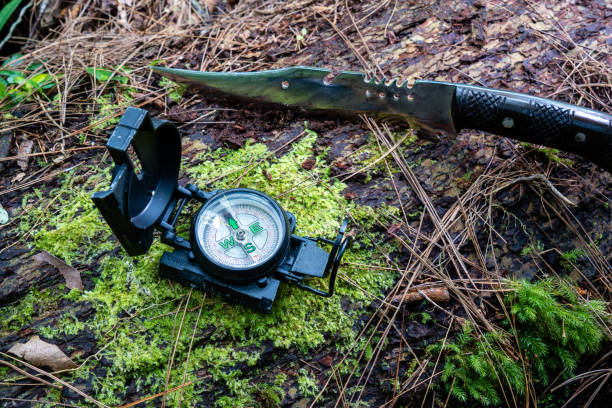
Now, let’s turn our attention to the subject of emergency evacuation bags. Remember, you’re not hauling an entire store with you. What you need are bug out bag essentials that can handle tasks efficiently in case an emergency situation arises on your path, to safety and security from danger out there in the unknown wilderness or unforeseen events happening around you. It’s all about making sure your bag is not just a burden but a survival lifeline that can be counted on for those crucial hours or days until you find yourself in a safer place.
The Importance of Versatility in Your Bug Out Bag
Before we explore our list of multi-use items, let’s discuss why versatility is fundamental for your bug out bag essentials. In any emergency, whether it’s a natural disaster or an unexpected evacuation, a well-prepared kit can make all the difference. But you need to strike a balance between being prepared and being overwhelmed.
By focusing on high-quality, multi-use items, we can:
- Reduce the overall weight of our bug-out bag.
- Free up space for other essential items.
- Increase the functionality of our kit without adding bulk.
- Improve our ability to adapt to various survival situations.
With these benefits in mind, let’s review my top picks for versatile gear that should be in every bug-out bag.
The Top Bug Out Bag Essentials You Need
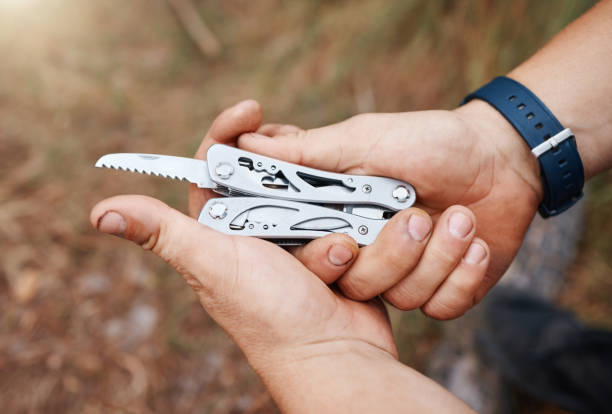
1. The Ultimate Multi-Tool: Your Survival Knife
A high-quality survival knife is perhaps the most versatile tool you can include in your bug-out bag. It’s not just a weapon; it’s a multi-functional tool that can help you with various tasks in an emergency situation.
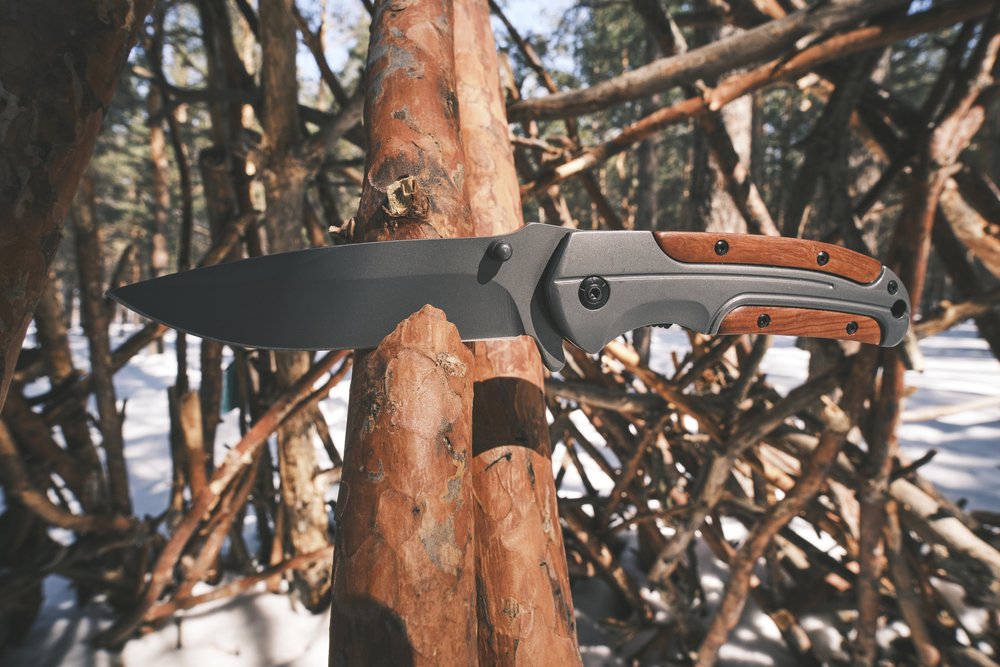
When selecting a survival knife for your kit, look for:
- Full-tang construction for durability
- A blade length between 4 and 6 inches for versatility
- High-quality steel that holds an edge well
- A comfortable, non-slip grip
Multiple Uses for Your Survival Knife:
- Food preparation and cooking
- Building shelter (cutting cordage, harvesting materials)
- First aid (cutting bandages, removing splinters)
- Fire starting (when used with a ferrocerium rod)
- Self-defense
- Hunting and fishing
- Gear repair and maintenance
During a multi-day wilderness survival course, my knife became an extension of my arm. From building shelters to preparing food, it was the one tool I couldn’t do without. What’s your most memorable experience with a survival knife?
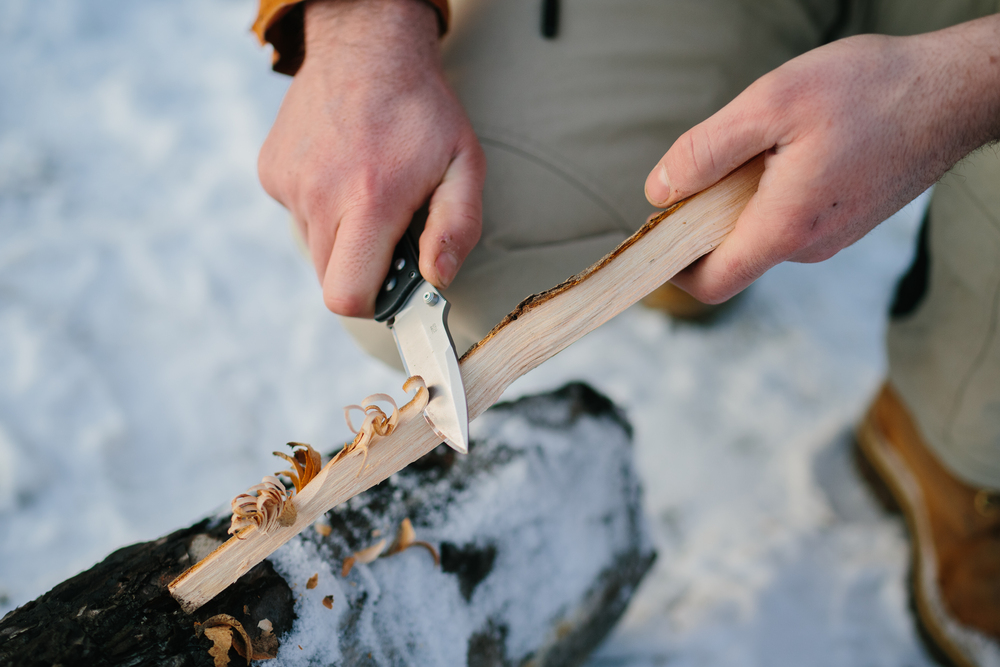
2. The Multifunctional Wonder: A Large Bandana
A large bandana might seem simple, but its versatility in survival situations is remarkable. Opt for a 100% cotton bandana in a size of at least 22 x 22 inches for maximum utility.
Multiple Uses for Your Bandana:
- Head covering for sun protection
- Dust mask or makeshift respirator
- Water pre-filter (when used with other filtration methods)
- Signaling device (if brightly colored)
- Sling or tourniquet in first aid situations
- Cooling neck wrap when soaked in water
- Pot holder for handling hot containers
- Fire starter when combined with petroleum jelly
- Trail marker when torn into strips
- Condensation collector for water procurement
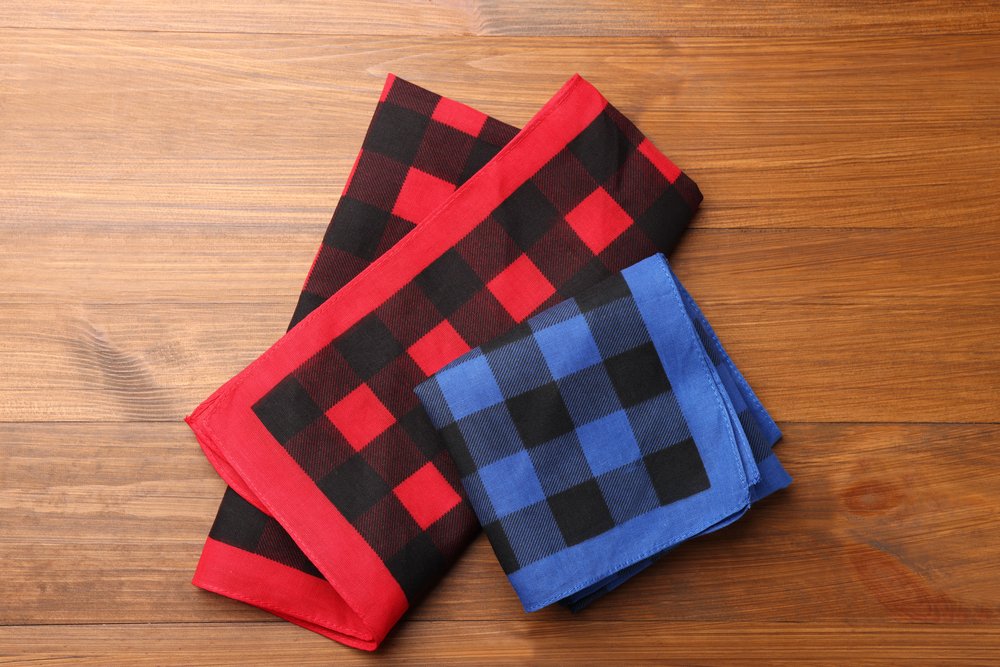
I’ll never forget using my bandana as an improvised filter during a backpacking trip gone wrong. Have you ever had to use a bandana in an unexpected way?
3. The Shelter Solution: A Waterproof Tarp
While many bug-out bag lists include a tent, I recommend opting for a high-quality, waterproof tarp instead. A tarp offers superior versatility and can be used in numerous ways beyond just shelter.
When choosing a tarp for your bug-out bag, look for these features:
- Lightweight and compact when folded
- Made from durable, waterproof material
- Equipped with reinforced grommets or tie-out points
- Large enough to create adequate shelter (at least 8×10 feet)
Multiple Uses for Your Tarp:
- Emergency shelter or lean-to
- Ground cover to keep your sleeping bag dry
- Rain catchment system for water collection
- Makeshift stretcher for evacuating injured individuals
- Windbreak or sun shade
- Poncho or emergency rain gear
- Signal panel when brightly colored
- Gear cover to protect supplies from the elements
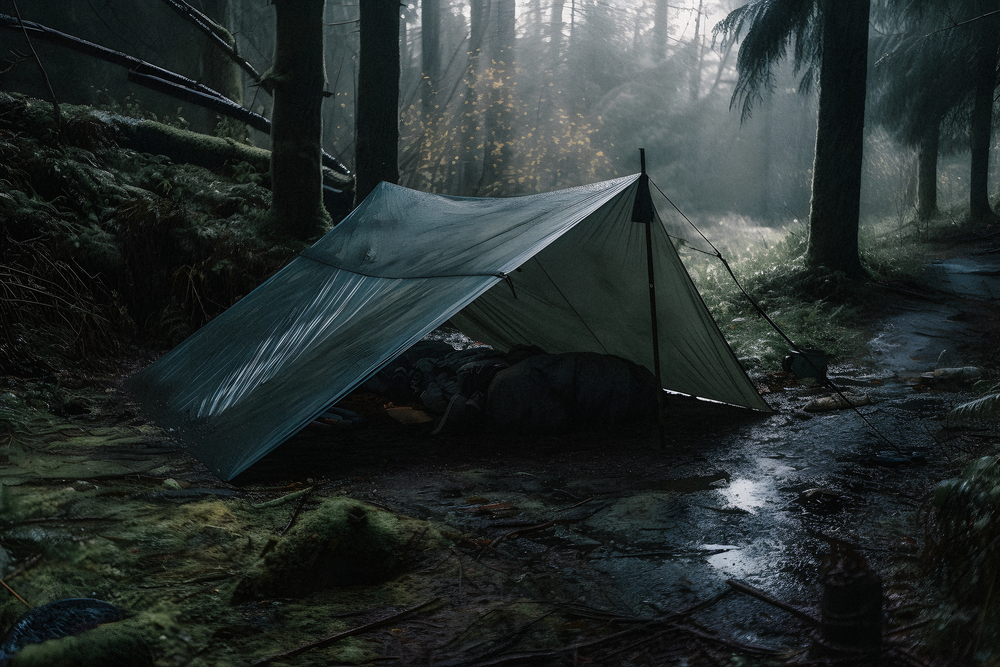
During a sudden thunderstorm in the Rockies, my tarp became a lifesaver. How would you use a tent in an emergency situation?
4. The Illumination Essential: A Rechargeable Headlamp
While any light source is essential in an emergency, I highly recommend packing a rechargeable headlamp in your bug-out bag instead of a traditional flashlight.
Here’s why:
- Hands-free operation allows you to work on tasks in low-light conditions
- Adjustable beam direction for versatile lighting options
- Rechargeable batteries reduce waste and long-term costs.
- Often more lightweight and compact than traditional flashlights
Multiple Uses for Your Headlamp:
- Primary light source for navigation and camp setup
- Reading light for maps or instructions
- Signal device in emergencies
- Work light for tasks requiring both hands.
- Makeshift lantern when diffused with a water bottle
- Deterrent for wildlife when using strobe mode
I once used my headlamp to signal for help during a nighttime rescue operation. How might a headlamp prove useful in your everyday life?

5. The Hydration Hero: A Stainless Steel Water Bottle with Nesting Cup
When it comes to choosing a water bottle for your bug-out bag, I highly recommend opting for a stainless steel model with a nesting cup.
While plastic bottles are lightweight, a stainless steel option offers several advantages:
- Durability and resistance to damage
- Ability to boil water directly in the bottle for purification
- Can be used for cooking in a pinch.
- Won’t leach chemicals into your water
Look for a bottle with a wide mouth for easy filling and cleaning and a capacity of at least 32 ounces (1 liter).
Multiple Uses for Your Stainless Steel Bottle and Cup:
- Water storage and transportation
- Boiling container for water purification
- Cooking pot for meals
- Digging tool in soft soil
- Makeshift hammer
- Container for gathering wild edibles
- Signaling device (when polished)
- Nesting cup for measuring, eating, and drinking
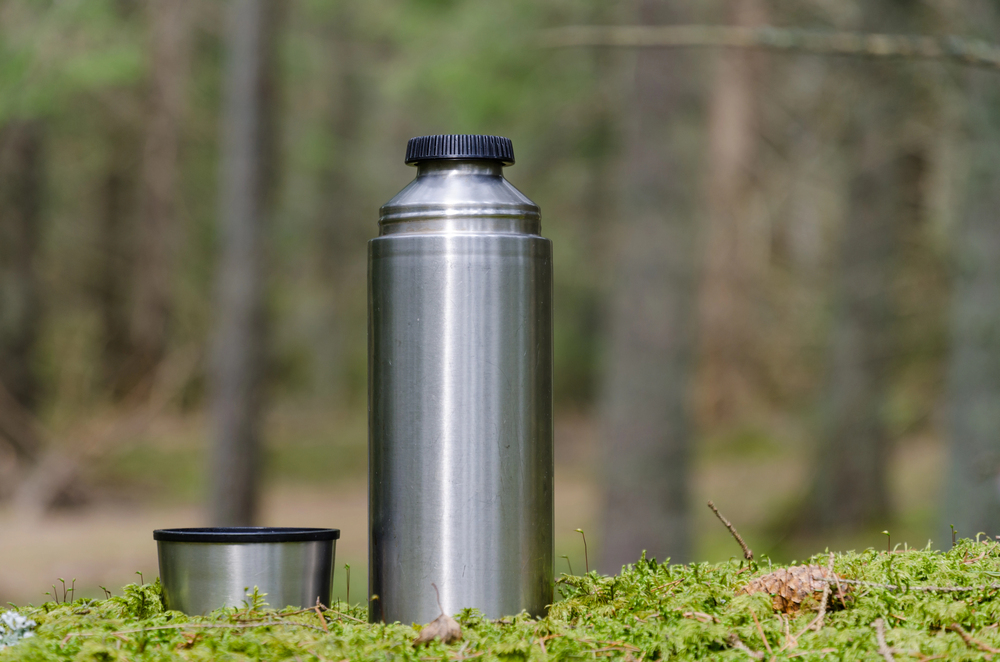
During a desert survival course, a stainless steel bottle became my lifeline. What’s your go-to water bottle for outdoor adventures?
6. The Cordage King: Paracord
Paracord, short for parachute cord, is a lightweight nylon rope originally used in the suspension lines of parachutes. Its strength, durability, and versatility make it an essential item for any bug-out bag.
When selecting a paracord, opt for genuine mil-spec 550 paracord, which has a minimum breaking strength of 550 pounds.
Multiple Uses for Your Paracord:
- Shelter construction (guy lines, ridge lines)
- Makeshift clothing repair
- Fishing line
- Snare wire for small game
- Gear repairs and lashing
- Emergency suture or tourniquet
- Shoelace replacement
- Fire bow for friction fire starting
- Clothesline for drying gear
- Tinder when inner strands are separated and fluffed
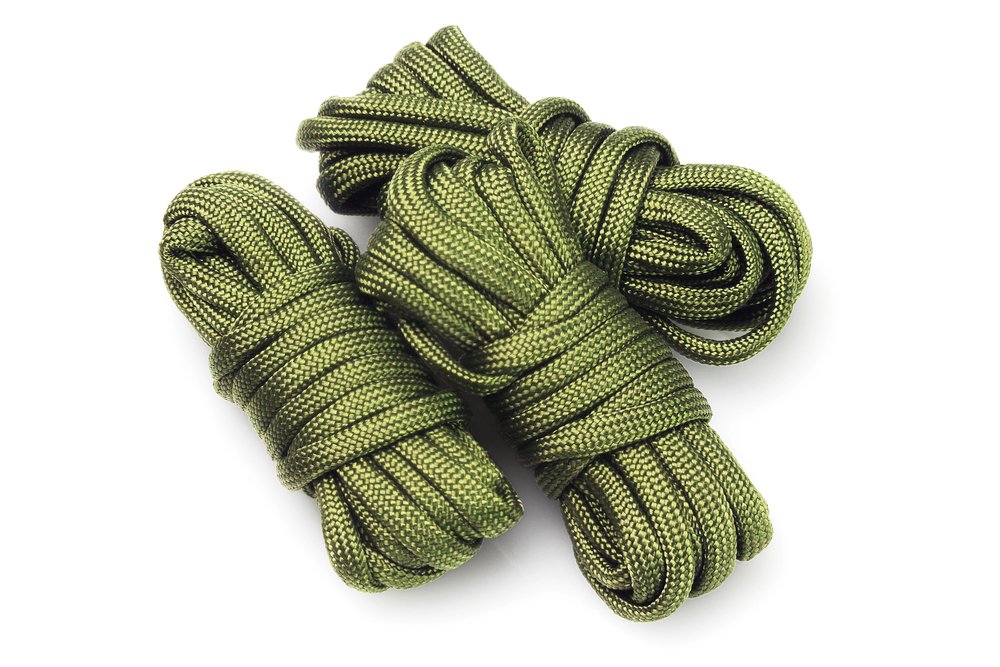
I once used paracord to create a makeshift splint during a wilderness first aid scenario. What creative uses can you think of for paracord?
7. The Fire-Starting Multitasker: A Ferrocerium Rod
Matches and lighters have their place in a bug-out bag, but I strongly recommend including a ferrocerium rod (also known as a ferro rod) as your primary fire starter.
Here’s why:
- Works in wet conditions
- Produces extremely hot sparks (up to 3,000°F).
- Lasts for thousands of strikes
- Not affected by altitude or extreme temperatures
Look for a ferro rod that’s at least 4 inches long and comes with a striker or can be used with your survival knife.
Multiple Uses for Your Ferro Rod:
- Primary fire starter in all weather conditions
- Signaling device (sparks can be seen from a distance)
- Improvised welding tool for small metal repairs
- Navigation aid (sparks are attracted to magnetic north)
- Tinder ignition for especially damp materials
- Cauterizing tool in extreme first aid situations (use with caution)
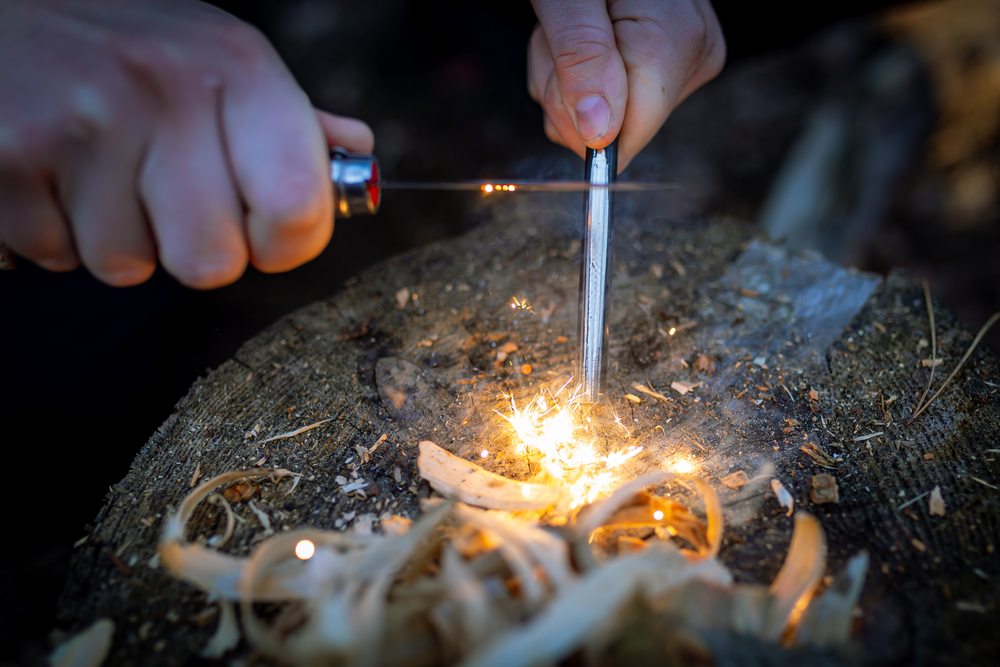
I’ll never forget the sense of accomplishment when I first started a fire with a ferro rod in pouring rain. Have you ever tried using a ferro rod?
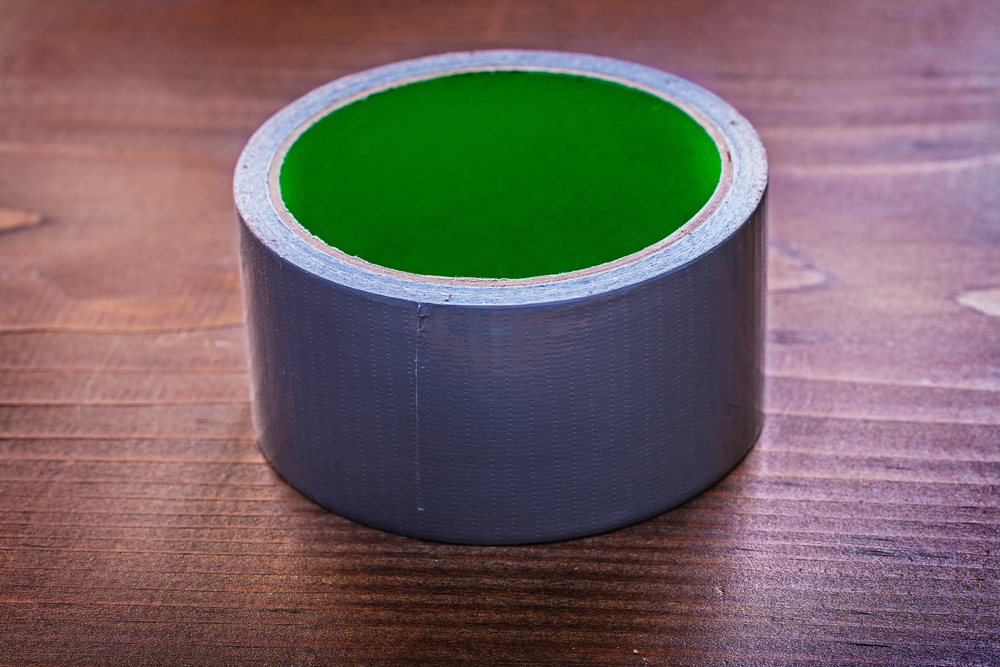
8. The First Aid Multi Tool: Duct Tape
While not a traditional medical supply, duct tape is an incredibly versatile item that can serve numerous purposes in your bug-out bag, especially when it comes to first aid and gear repair.
I recommend including a small roll or wrapping a length around a water bottle or trekking pole to save space.
Multiple Uses for Your Duct Tape:
- Makeshift bandages or wound closures
- Blister prevention and treatment
- Splint reinforcement
- Gear repairs (tent, backpack, clothing)
- Cordage for shelter building
- Insect barrier when applied around openings
- Fire starter when shredded finely
- Improvised rope or handle
- Waterproofing for containers or gear
- Signaling device when brightly colored
During a search and rescue training exercise, I used duct tape to create an improvised splint for a hiker with a sprained ankle. What’s the most unusual way you’ve used duct tape?
9. The Multipurpose Container: Dry Bags
While primarily designed to keep gear dry, quality dry bags offer much more versatility than you might expect. I recommend including 2-3 dry bags of varying sizes in your bug-out bag.
Look for bags made from durable, puncture-resistant materials with reliable closure systems.
Multiple Uses for Your Dry Bags:
- Waterproof storage for clothes and gear
- Improvised water container (when filled)
- Bear bag for food storage
- Washing machine for clothes (add water and soap, agitate)
- Pillow when filled with soft items
- Flotation device in water crossings
- Solar still for water purification
- Compression sack for sleeping bags or clothing
- Signaling device when brightly colored
- Makeshift rain catchment system
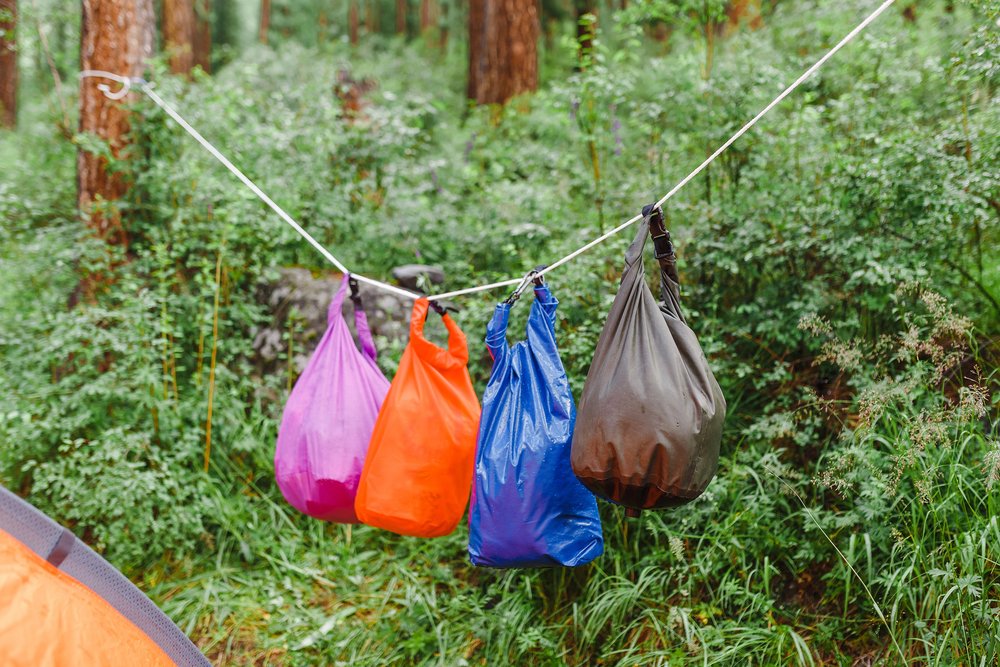
During a kayaking expedition, my dry bags not only kept my gear dry but also served as emergency flotation devices. How do you think dry bags could enhance your outdoor adventures?
Finding the Best Bug Out Bag Essentials
Throughout this article, we’ve explored nine multi-use items that can transform your bug-out bag from a heavy burden into a versatile survival kit. Let’s recap these bug out bag essentials:
- A high-quality survival knife: Your all-in-one tool for countless tasks.
- A large bandana: a simple piece of fabric with surprising versatility.
- A waterproof tarp: Your adaptable shelter solution.
- A rechargeable headlamp: hands-free illumination for any situation.
- A stainless steel water bottle with nesting cup: Hydration and more.
- Paracord: The unassuming lifeline in your pack.
- A ferrocerium rod: Your ticket to fire in any weather.
- Duct tape: The fix-all wonder in emergencies.
- Dry bags: waterproof storage with hidden talents.
Each of these items brings multiple functions to your kit, allowing you to be prepared for a wide range of scenarios without overloading your bag. Remember, the key to an effective bug-out bag isn’t just what you pack, but how smartly you pack it.
Now, it’s your turn to take action. Start by assessing your current bug-out bag. Do you have these multi-use items? If not, which ones could make the biggest impact on your preparedness? Choose one item from this list and add it to your kit this week. Then, practice using it in different ways. Could you start a fire with your ferro rod in less than a minute? Can you set up a shelter using just your tarp and paracord?
By focusing on versatile, multi-use items and regularly practicing your skills, you’re not just preparing for emergencies—you’re investing in your resilience and self-reliance. So take that first step today. Your future self may thank you for it.
I’d love to hear about your experiences. What’s your favorite bug out bag essentials? How has it helped you in a pinch? By sharing our stories, we can learn from each other and build a community of prepared, resourceful individuals ready for whatever challenges lie ahead. Feel free to reach out and let’s continue this conversation.