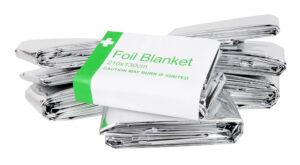
When I first ventured into wilderness survival training, I was overwhelmed by the sheer volume of gear recommendations flooding every outdoor forum and survival website. Everyone had their opinion on what constituted essential emergency gear, but one item consistently appeared at the top of every expert’s list: the survival blanket. After years of outdoor experience and witnessing firsthand how this lightweight piece of equipment can mean the difference between life and death, I understand why.
My journey into outdoor preparedness began when I decided to build an online business around wilderness survival skills. I discovered that sharing practical survival knowledge could serve both my entrepreneurial goals and my passion for keeping people safe in the outdoors. My business idea turned into a passion for outdoor safety.
In wilderness emergencies, hypothermia kills fast. Maps and first aid kits are useful, but when someone’s core temperature drops, you need immediate heat retention—and that’s where survival blankets excel.. But when someone’s body temperature starts dropping and you’ve got minutes to act, nothing works faster than a survival blanket to trap their body heat and buy you time. This compact piece of gear has earned its place as the cornerstone of effective outdoor preparedness.
Why Experts Insist on Survival Blankets
I learned about survival blankets the hard way during our hiking course in the Lake District, England. Our instructor made one thing crystal clear: bring a survival blanket or don’t bother showing up. No exceptions.
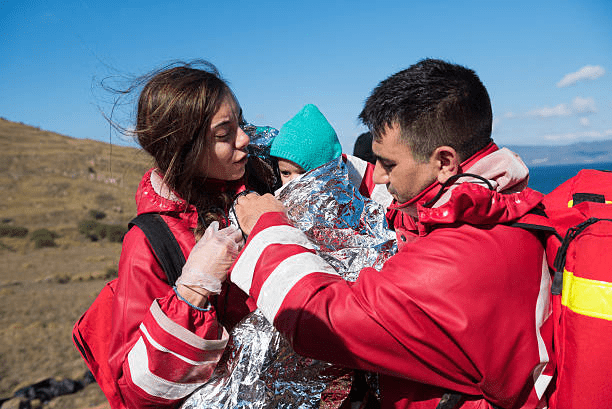
This instructor’s insistence made perfect sense once I witnessed the blanket in action. During that same course, one group member began showing early signs of hypothermia as weather conditions deteriorated rapidly. The course leader immediately stopped our group, and someone retrieved their survival blanket from their pack. We wrapped the affected person in the blanket, and within minutes, their condition stabilized as their body temperature began recovering.
That experience transformed my understanding of emergency gear priorities. I realized that while other equipment might help prevent emergencies, the survival blanket serves as your last line of defense when prevention fails. It’s the difference between managing a dangerous situation and watching it become life-threatening. Since that day, I’ve never questioned why survival blankets appear in every serious wilderness survival discussion.
You’ll find survival blankets everywhere—every outdoor store, every survival blog. There’s a reason for that. They work. While other gear comes and goes with trends, these things have been saving lives for decades. When every expert agrees on something, you should probably listen.
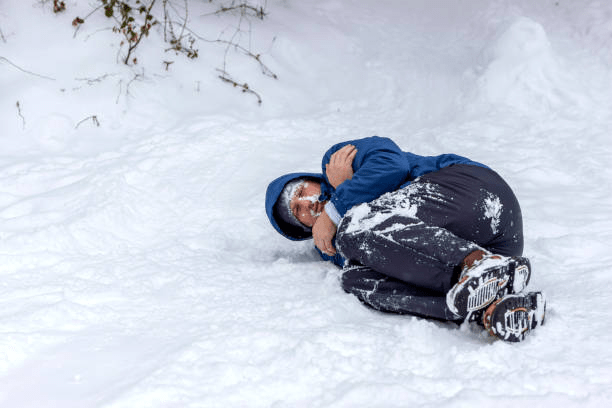
Emergency Blankets Beyond Basic Warmth
Most people think survival blankets are just shiny foil. Wrong. While some are traditional wrap-around blankets, the bag-style ones are more like pouches you actually get into—almost like thermal sleeping bags. Way more effective than just wrapping one around yourself.
I consider the survival blanket a tool of last resort, similar to how I view first aid kits. You hope you’ll never use it, but when you do, it’s serious. Person’s injured, hypothermic, can’t warm up on their own—that’s when these things matter.
Survival blankets do one thing really well—stop hypothermia. Your other gear helps prevent problems, but nothing warms someone up as fast as getting them wrapped in one of these.. This specialization makes it an irreplaceable component of comprehensive outdoor preparedness.
The thermal reflection properties of survival blankets work by bouncing radiated body heat back toward the person, creating an insulation barrier that dramatically reduces heat loss. In emergency situations where every degree of body temperature matters, this heat retention capability can buy precious time for rescue or self-rescue efforts to succeed.
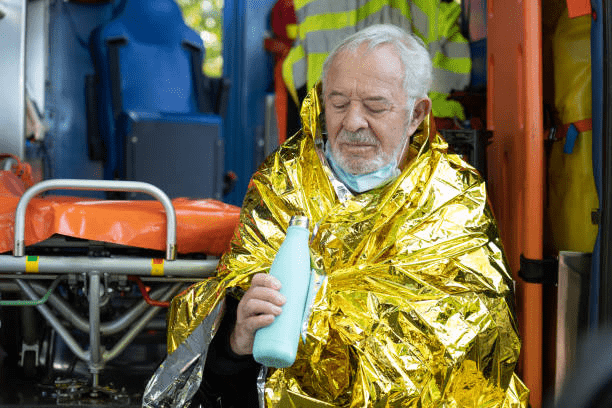
Blanket or Bag? Here’s What You Need to Know
You’ve probably heard the term survival blanket tossed around a lot—but not all survival blankets are the same. Some are flat and meant for quick wraparounds, which is great when someone’s hurt and can’t move much. Then there are the bag-style ones, often called thermal bags or bivvies. You actually climb inside these, sort of like a sleeping bag. They trap your body heat a lot better, especially when it’s freezing or raining. Some of the bigger ones can even fit two people, which helps if you need to share warmth. If your pack has the room, bringing both types isn’t a bad idea.
Addressing Common Survival Blanket Concerns
One question I encounter frequently concerns survival blanket durability and reusability. People wonder whether these lightweight emergency tools can withstand multiple uses or if they’re designed for single-use scenarios. Having examined various models and brands, I’ve concluded that while some survival blankets can technically be reused, their low cost and compact storage make replacement the most practical approach.
When someone’s freezing and panicking, they’re going to move around a lot—boots and all. That wrecks the material, especially at the seams. Don’t risk it failing next time—toss it and get a new one.
This single-use approach also ensures you’re always carrying fresh, undamaged equipment. Given that quality survival blankets cost less than most energy drinks and pack smaller than a smartphone, the economics strongly favor replacement over reuse. Your emergency gear should provide absolute reliability when lives depend on it, and starting each adventure with new equipment eliminates any doubt about functionality.
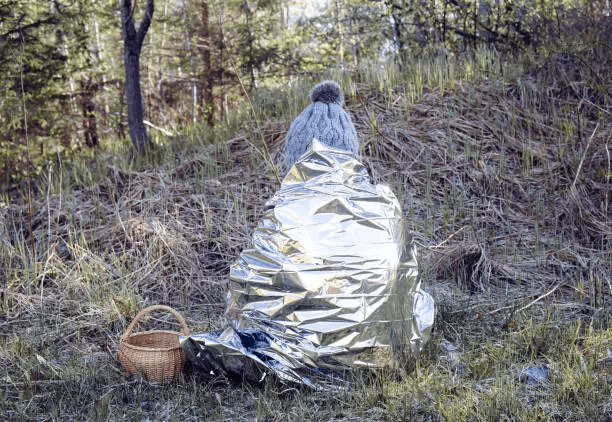
The lightweight and compact nature of survival blankets makes carrying multiple units feasible for group situations. If you’re responsible for others’ safety, having additional blankets available can prove invaluable when multiple people need thermal protection simultaneously.
Choosing the Right Survival Blanket: Key Features That Matter
Essential Technical Features:
- Compact pack size that fits easily in any daypack or emergency kit
- Lightweight construction that won’t burden your gear loadout
- Adequate dimensions to fully enclose an adult or accommodate two people
- Waterproof materials that provide protection from moisture and wind
Research and Selection Strategy:
- Read authentic user reviews on platforms like Amazon and specialized outdoor retailers
- Seek recommendations from reputable outdoor writers and survival instructors
- Look for products that have been field-tested in real emergency situations
- Consider brands with proven track records in emergency equipment manufacturing
Get one that’s big enough. If it doesn’t cover the whole person, it’s useless. The two-person ones are smart—use them for couples or just give one person better coverage.

The balance between size and portability requires careful consideration. Larger blankets provide better coverage but take up more pack space, while smaller versions save weight but might leave gaps in coverage during deployment. I recommend choosing the largest size that fits comfortably in your standard gear configuration, as thermal protection effectiveness increases significantly with proper coverage.
Building Consistent Preparedness Habits
Incorporating survival blankets into your outdoor routine requires developing systematic preparedness habits that become second nature. I maintain a simple approach: every pack I use for outdoor activities contains a survival blanket, regardless of the season, duration, or perceived difficulty of the planned activity. I always pack one. No thinking required. Weather changes fast in the mountains—summer storms can dump cold rain, and spring days fool you. I’ve seen people get caught off guard in every season.
Creating comprehensive gear checklists helps ensure consistent emergency preparedness across different activities and seasons. Your survival blanket should occupy the same mandatory status as your water bottle, navigation tools, and first aid supplies. Treating it as optional equipment increases the likelihood you’ll leave it behind precisely when you might need it most.
Check your gear regularly. These things wear out sitting in your pack—heat, cold, getting stuffed in and out. I swap mine every year whether I’ve used it or not.
Practical Applications Beyond Traditional Emergencies
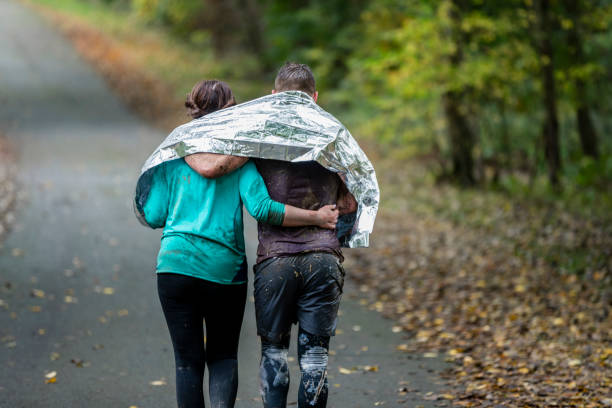
They’re mainly for keeping warm, but I’ve used mine as a windbreak while cooking and to stay dry during sudden downpours. If it keeps heat in, it keeps weather out too.
Ever notice runners wrapped in these things after marathons? Your body cools down fast when you stop moving, and hypothermia can hit even after exercise. That’s why they hand them out at every finish line.
The reflective properties of survival blankets can serve signaling functions during search and rescue operations, making stranded individuals more visible to aircraft or ground search teams. While not their primary purpose, this visibility enhancement adds another layer of emergency utility to an already valuable piece of equipment.
During extended outdoor activities, survival blankets can provide additional ground insulation, wind protection for cooking areas, or emergency shelter components when combined with other materials. These secondary applications shouldn’t influence your selection criteria, but they demonstrate the versatility that makes survival blankets such valuable additions to emergency gear collections.
Expert Tips for Survival Kit Development
You want gear that works but doesn’t weigh you down. Survival blankets nail this—they’re tiny but can save your life. New to this? Start by watching YouTube videos and reading reviews from people who actually use this stuff outdoors.
The abundance of available information can overwhelm newcomers, but focusing on consistently recommended items helps identify truly essential equipment. Pay particular attention to reviews from users who have deployed gear in actual emergency situations rather than just laboratory testing or casual use scenarios. Real-world performance under stress provides the most relevant evaluation criteria.
Different experts emphasize varying approaches to survival kit composition, and these differences reflect personal experience, regional conditions, and specific activity focuses. Rather than adopting someone else’s kit configuration wholesale, use multiple sources to understand underlying principles, then customize your selection based on your typical outdoor activities, local environmental conditions, and personal risk tolerance.
Testing your emergency gear through practice deployments builds familiarity and confidence while revealing potential issues before real emergencies arise. Practice setting up your survival blanket in controlled conditions, experiment with different deployment techniques, and time how quickly you can access and deploy it from your pack. This hands-on experience proves invaluable when stress and time pressure accompany actual emergency situations.
Future Developments in Emergency Thermal Protection
The evolution of survival gear continues advancing through materials science improvements and technological integration. Current trends toward incorporating heating elements powered by rechargeable batteries in cold-weather clothing suggest similar innovations may enhance future survival blanket designs. Imagine combining traditional thermal reflection with active heating elements for even more effective hypothermia treatment.
Advanced materials research focuses on developing lighter, stronger, and more durable fabrics that maintain the compact storage characteristics that make current survival blankets so practical. These improvements could address current durability limitations while preserving the portability that makes survival blankets accessible to all outdoor enthusiasts.
However, technological advancement shouldn’t overshadow fundamental principles of emergency preparedness. Basic survival blankets using proven thermal reflection technology provide reliable protection today, regardless of future innovations. Building your emergency preparedness around currently available, field-tested equipment ensures immediate readiness rather than waiting for perfect solutions that may never arrive.
Navigation technology continues advancing rapidly, but the ability to use map and compass remains essential when electronic systems fail. Similarly, heated clothing and advanced emergency gear enhance outdoor safety, but traditional survival blankets provide proven thermal protection that doesn’t depend on battery power or complex technology.

Your Essential Thermal Safety Net
With years of outdoor experience under my belt, I always include a survival blanket in my gear. They’re not pricey, weigh nothing, and save lives. Weekend hiker or hardcore mountaineer—doesn’t matter. Get one.
It’s like car insurance for your body heat. You hope you’ll never need it, but when the weather turns nasty, it could be what gets you out alive instead of on the evening news.
Just make it a habit—always pack one. Takes zero effort but could save your life. Day hikes, week-long treks, anything that gets you away from civilization—nothing else protects against hypothermia like this does.
Whether you choose a traditional survival blanket or a more enclosed bag, the most important thing is to bring one. Better yet—bring both. They each serve a unique purpose, and together they offer maximum flexibility in how you respond to cold-weather emergencies.
The time you invest in selecting, carrying, and understanding your survival blanket pales in comparison to its potential impact during real emergencies. In the world of outdoor preparedness, few pieces of equipment offer such dramatic life-saving potential in such a compact, affordable package.
Make the survival blanket your first priority when building or upgrading your emergency gear, and you’ll have established the foundation for effective wilderness survival preparation.
Do this now: Order a survival blanket today. Put one in every pack you own. Your life might depend on it.