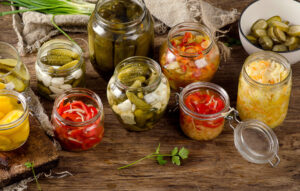
When I wrote my article on 10 Best Emergency Foods for Your Bug Out Bag—Top Survival Picks, fermented foods never made the list. I kept encountering backpackers who raved about their homemade sauerkraut and kimchi, it sounded absurd. Why would anyone carry smelly, acidic vegetables when freeze-dried meals and protein bars existed?
That dismissive attitude cost me years of overlooking something remarkable. Once I actually examined what fermentation accomplishes, my entire perspective shifted. While I was fixated on calories per ounce and expiration dates, I have ignored a food preservation method that’s kept people alive for thousands of years.
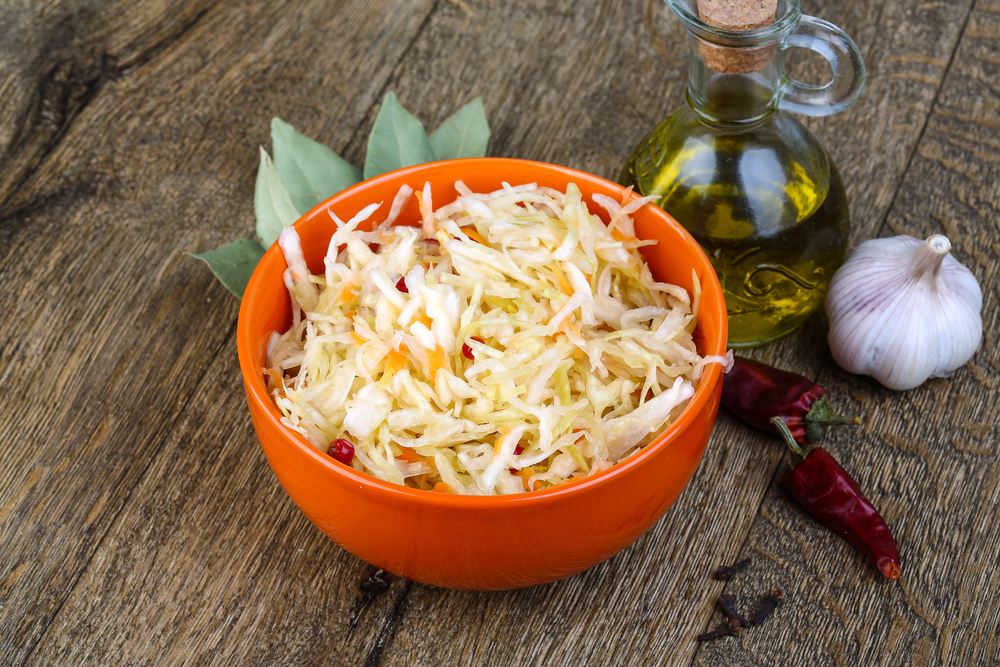
Here’s what changed my mind: fermented foods don’t just last without refrigeration—they actually become more nutritious over time. They boost immune function when your body faces stress. They require almost no equipment to produce. Most importantly, they give you food independence that no commercial product can match.
The irony stings. I was recommending expensive survival foods while completely missing this accessible, proven technology that transforms basic vegetables into medical-grade nutrition. This oversight appears throughout prepper culture, where ancient wisdom gets overshadowed by marketing for high-tech solutions.
The Ancient Legacy That Built Civilizations
People have been fermenting food for over 10,000 years—souring milk, brewing beer, and turning soybeans into hearty pastes long before refrigeration existed.. They did this because it kept them alive.
When Fermentation Meant Life or Death
Vikings brought fermented fish on their ships. Koreans made kimchi to endure winter. Sailors ate sauerkraut to stay healthy at sea.. These weren’t fancy foods—they were necessities.
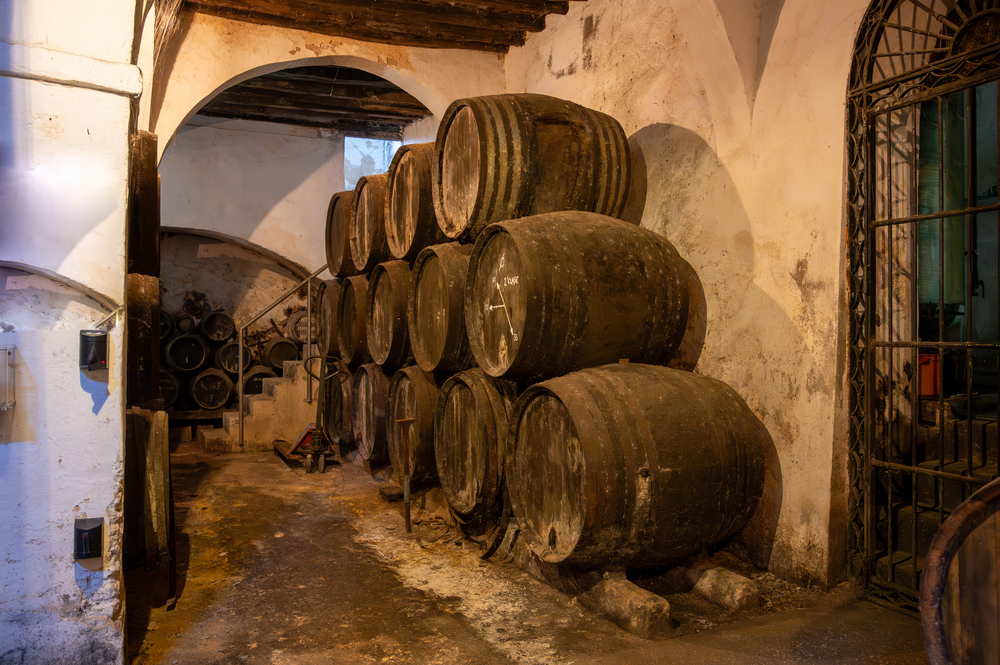
Families kept their fermentation secrets closely guarded. A good recipe or starter culture could save your community when harvests failed. Towns that knew how to ferment food survived famines that killed their neighbors.
Science Validates Ancient Wisdom
In the 1860s, Louis Pasteur figured out why fermentation worked. Later, a scientist named Metchnikoff studied Bulgarian villagers who ate fermented dairy and lived remarkably long lives. Modern science proves what people already knew: these foods keep you healthy in ways fresh food can’t.
The Microbial Army That Preserves and Protects
Fermentation works by letting good bacteria take over your food before bad bacteria can. These helpful microbes eat the sugars in vegetables and produce acid as waste. That acid makes the environment too harsh for dangerous bacteria like botulism to grow.
The science is straightforward. Good bacteria multiply faster than harmful ones when conditions are right. They drop the pH below 4.6, which kills pathogens but keeps the food safe to eat. This happens naturally without any intervention from you.
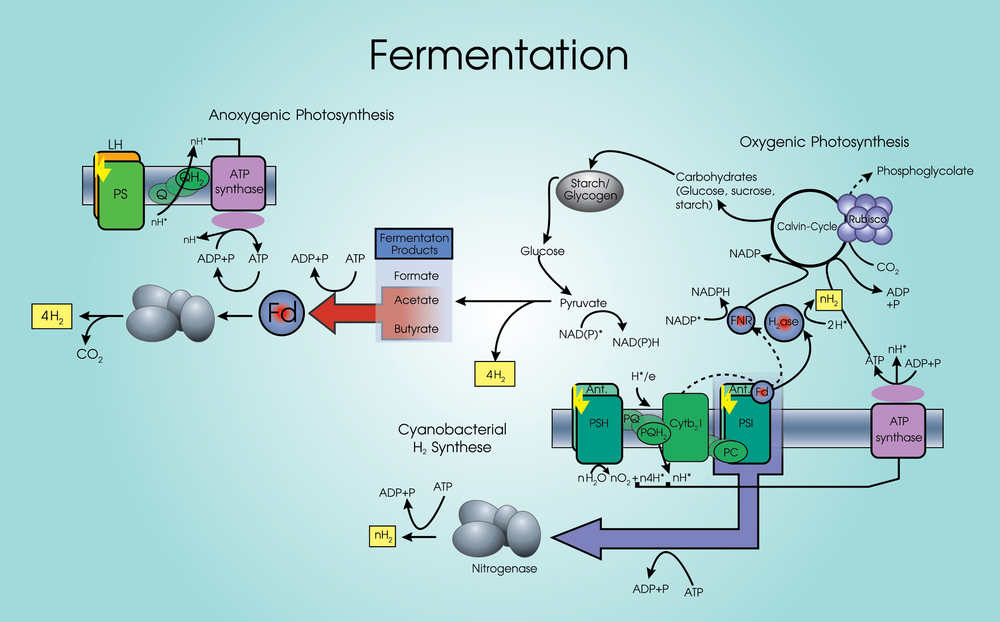
Natural Preservation Without Technology
You don’t need power, chemicals, or fancy gear. Salt, vegetables, and time do the work. The bacteria create an oxygen-free environment where only they can survive. Your fermented foods actually get better with age, developing stronger flavors and more nutrients than fresh produce.
Temperature matters most. Keep things between 65-75°F and fermentation proceeds smoothly. This range works well during emergencies when you can’t control conditions precisely. You can produce food even when refrigeration fails or power goes out.
Living Medicine for Survival Scenarios
I’ve seen what happens when people rely solely on processed survival foods during extended trips. They get run down, catch every bug going around, and struggle with low energy. Fermented foods work differently. They don’t just fill you up—they actively support your health.
The fermentation process breaks down nutrients in ways your body can actually use. Fresh cabbage might have vitamin C, but sauerkraut delivers more of it in a form your system readily absorbs. The bacteria do pre-digestion work that helps during times when your body is already stressed.
Nutritional Enhancement Through Fermentation
Here’s what surprised me most: fermented vegetables often beat fresh ones nutritionally. That jar of sauerkraut sitting on your shelf contains more usable vitamin C than the fresh cabbage it came from. The bacteria also produce B-vitamins and make minerals like iron and zinc more available to your system.
Lactobacillus strains in fermented foods crowd out harmful bacteria in your digestive tract. People who regularly eat these foods report fewer stomach issues and respiratory infections—exactly what you need when medical care isn’t available.
Mental Health Benefits Under Stress
Your gut produces most of your body’s serotonin, which controls mood and stress response. Fermented foods support the bacteria that make this happen, helping maintain mental clarity when everything goes wrong. Your sweet cravings will decrease.
This matters during emergencies because panic and poor decisions kill people. Mental clarity becomes essential when making life-or-death choices. Fermented vegetables help you think clearly when everything’s going wrong. They also fill you up better than most foods, so you’re not constantly thinking about your next meal when supplies run low.

The Ultimate Survival Strategy Modern Preppers Ignore
Fermented foods address every major challenge faced during survival scenarios: food preservation without refrigeration, nutrient density during scarcity, immune system support under stress, and food production using minimal resources. Despite its long history, many preppers overlook fermentation or assume it’s too complicated for emergencies. In reality, fermented foods are shelf-stable, nutrient-rich, and need no power—making them far more practical than most realize.
Simple Production, Maximum Results
The production process requires minimal infrastructure: glass jars, salt, vegetables, and basic knowledge. Compare this to commercial survival food production, which demands industrial facilities, complex supply chains, and significant energy inputs. A prepper can establish fermentation capabilities using items already present in most households, creating renewable food production systems that continue operating indefinitely.
Flexibility and Cost-Effectiveness
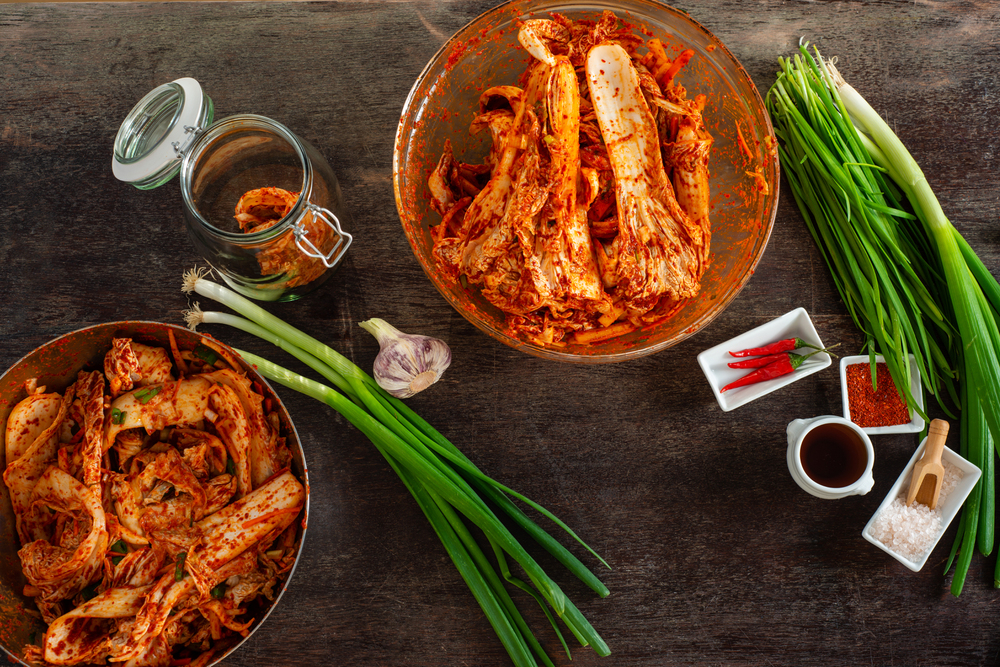
Ingredient flexibility allows fermentation of virtually any vegetable, grain, or dairy product available locally. Seasonal abundance gets preserved efficiently, transforming temporary surpluses into long-term nutrition stores. Cabbage, carrots, beets, radishes, beans, and grains all ferment successfully using identical basic techniques.
Cost effectiveness makes fermentation accessible to any budget. A five-pound cabbage costing three dollars produces enough sauerkraut to last months, providing nutrition equivalent to expensive probiotic supplements. Seeds and dairy cultures can be preserved and propagated indefinitely, creating renewable resources that eliminate dependence on commercial suppliers.
Getting Started: Equipment and Techniques
You’ll need glass jars, plastic or wooden lids, wooden spoons, and a kitchen scale.. Most preppers already own these. Fancy fermentation equipment helps but isn’t required.
Learning fermentation is straightforward. Start with simple vegetable recipes before attempting dairy or grains. Each successful batch teaches you more about the process.
Salt Quality and Water Preparation
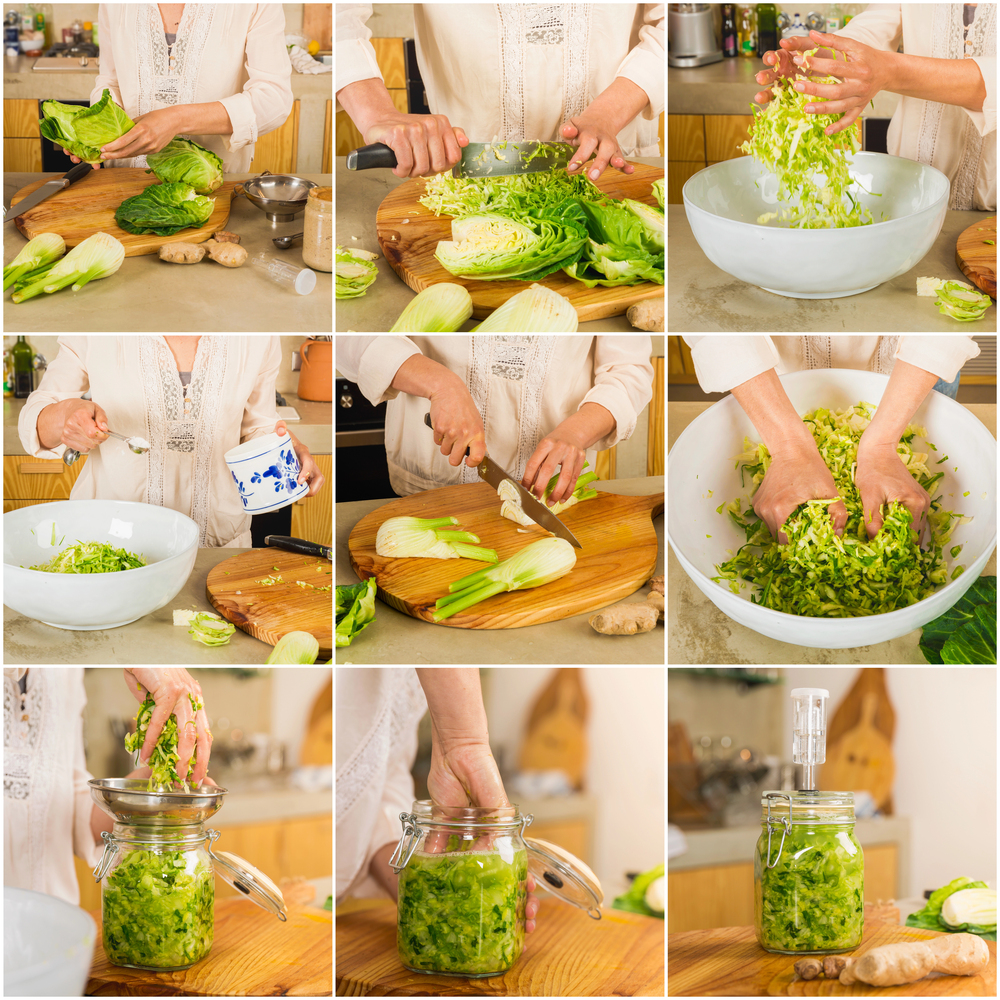
Use pure sea salt or mined salt without additives. Iodized table salt can interfere with fermentation. If your water is chlorinated, let it sit overnight or filter it first. Chlorine kills the bacteria you want to cultivate.
Temperature affects speed but not safety. Cooler conditions slow things down, warmer speeds them up. Most fermentation works well between 65-75°F, which suits most home environments.
Safety and Storage Protocols
Keep your salt ratios correct and pH below 4.6. Properly fermented foods smell tangy and taste acidic. Discard any fermentation that shows mold growth or develops off-putting odors. Begin with foundational recipes such as sauerkraut, kimchi, or fermented salsa. These recipes are forgiving and teach fundamental techniques. Store finished products in cool, dark places for best results.
Long-Term Storage and Troubleshooting
Fermented foods keep for years when done right, outlasting most commercial survival foods. They actually improve with age in many cases.
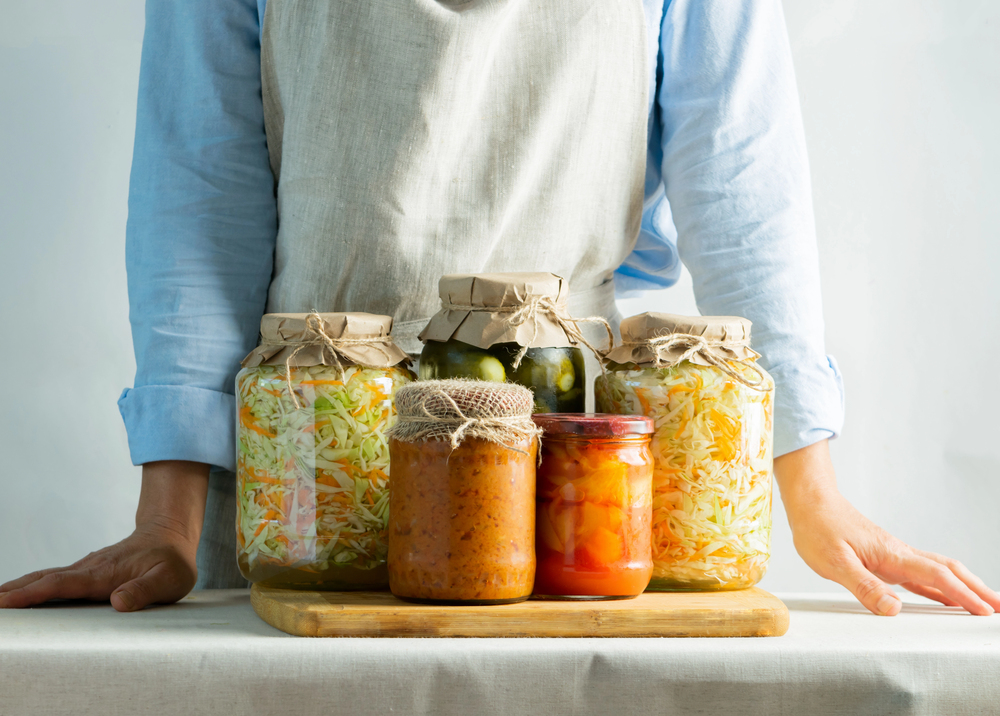
Most problems come from wrong salt amounts, contamination, or temperature swings. These issues are easily avoided once you understand the basics.
Why Most Preppers Skip This Food System
Like many preppers, I initially dismissed fermented foods for shortsighted reasons. Modern preparedness culture emphasizes high-tech solutions and commercial products over traditional skills and knowledge. Marketing drives us toward expensive gear and processed foods while overlooking time-tested preservation methods that sustained humanity for millennia.
Common Misconceptions That Held Me Back
I fell into the same trap—believing that fermentation required specialized knowledge or equipment that wasn’t practical for emergency situations. Social media and preparedness forums focus on purchased solutions rather than homegrown capabilities, creating bias toward commercial products over traditional skills. My own article recommendations reflected this bias, prioritizing convenience over nutritional superiority.
Fermentation’s association with gourmet cooking rather than survival preparation further distanced it from my prepper mindset. Food preservation got compartmentalized into freeze-drying, canning, and dehydration while fermentation remained relegated to artisanal food production. I couldn’t see past the “foodie” reputation to recognize the serious survival applications.
Practical Concerns That Proved Wrong
Time investment concerns initially discouraged me from exploring fermentation, despite it requiring minimal active time once established. The passive nature of fermentation—where beneficial bacteria perform most work—actually makes it more time-efficient than many commercial preservation methods I was recommending.
Storage space priorities led me to favor calorie-dense commercial foods over fermentation equipment and ingredients. However, I discovered that fermentation actually maximizes food storage efficiency by transforming inexpensive bulk vegetables into concentrated nutrition that stores compactly without refrigeration.
Quality control fears about homemade fermented foods paradoxically drove me toward commercial products with less nutritional value and shorter shelf lives. Proper fermentation techniques eliminate safety risks while providing superior nutrition and storage characteristics compared to processed alternatives I was promoting.
Recognizing Fermentation’s True Value
Fermented foods offer nutritional benefits that survival food lists often overlook. Fermentation creates probiotics and makes minerals easier to absorb, while commercial survival foods typically lose nutrients during processing. The method provides shelf-stable storage, health benefits, and requires basic equipment—making it worth considering for emergency planning.
Practical Implementation
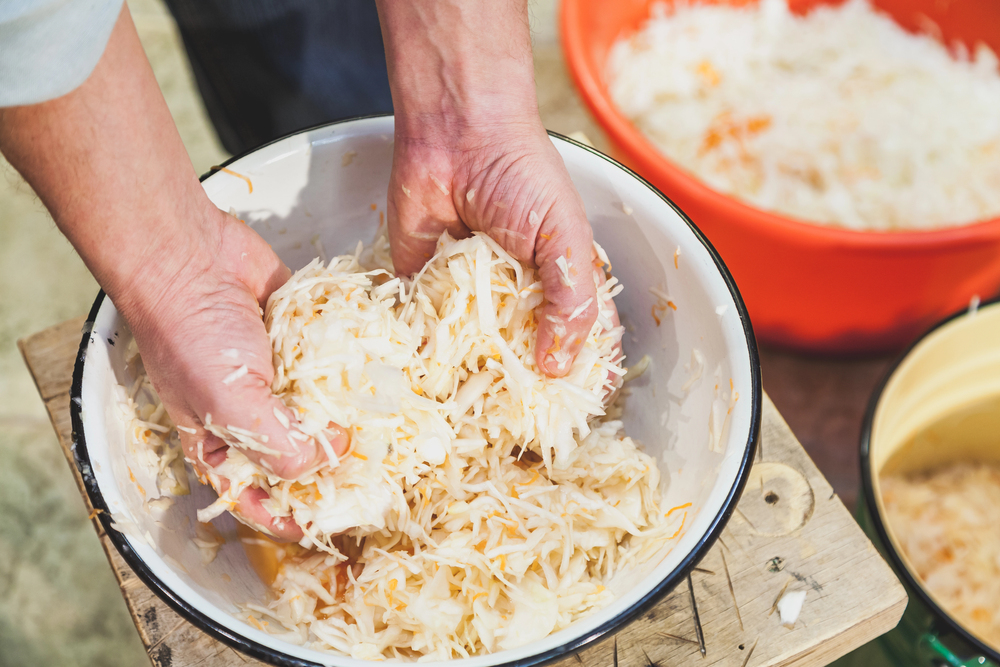
Fermentation requires basic equipment and straightforward techniques. Simple vegetable recipes provide good starting points for learning the process. Success with basic fermentation builds understanding of more complex applications.
Building Food Security
Fermentation shifts food preparation from purchasing to producing. This approach creates renewable nutrition sources that operate without supply chains or electricity. Home production provides food security that commercial products cannot match.
Connecting with others who practice fermentation creates knowledge-sharing networks. Traditional societies treated fermentation as community knowledge, making group learning more effective than solo study.
Lessons Learned About Emergency Food Selection
Fermentation goes beyond simple preservation—it’s survival knowledge tested over thousands of years. My original bug-out bag food recommendations focused on convenience and shelf life, missing fermentation’s nutritional and practical advantages. A revised list would include fermented foods among the top choices. They address every limitation I found in commercial survival foods: poor nutritional density, dependence on supply chains, limited variety, and inability to produce food during extended emergencies.
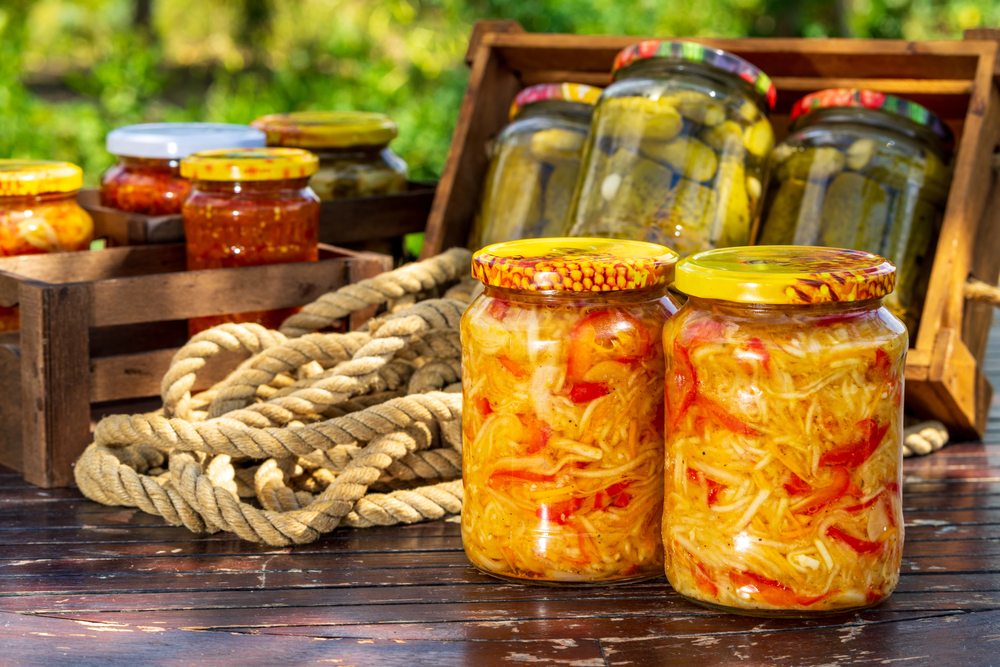
The convergence of traditional fermentation techniques with modern scientific understanding creates unprecedented opportunities for preppers to establish robust, sustainable food systems that operate independently of industrial infrastructure. These living preservation systems provide renewable nutrition, immune system support that surpasses any commercial survival product I previously recommended.
Those outdoor adventurers who carried sauerkraut and kimchi in their packs weren’t being eccentric—they were demonstrating advanced survival knowledge that the rest of us had forgotten. They understood what our ancestors knew: fermented foods provide complete nutrition, natural preservation, and health support that no processed food can match.
Every survivalist who masters fermentation gains access to ancient knowledge that has sustained civilizations through their darkest hours. This knowledge transforms ordinary vegetables into medicinal foods, creates renewable nutrition sources, and provides food security that no commercial product can match.
The choice is clear: continue depending on expensive commercial solutions with limited shelf lives and questionable nutritional value, or embrace the ancient wisdom that has proven itself through thousands of years of human survival. I wish I had understood this when writing my original recommendations. Now that I do, fermentation has become an indispensable part of my survival planning—and it should be part of yours too.