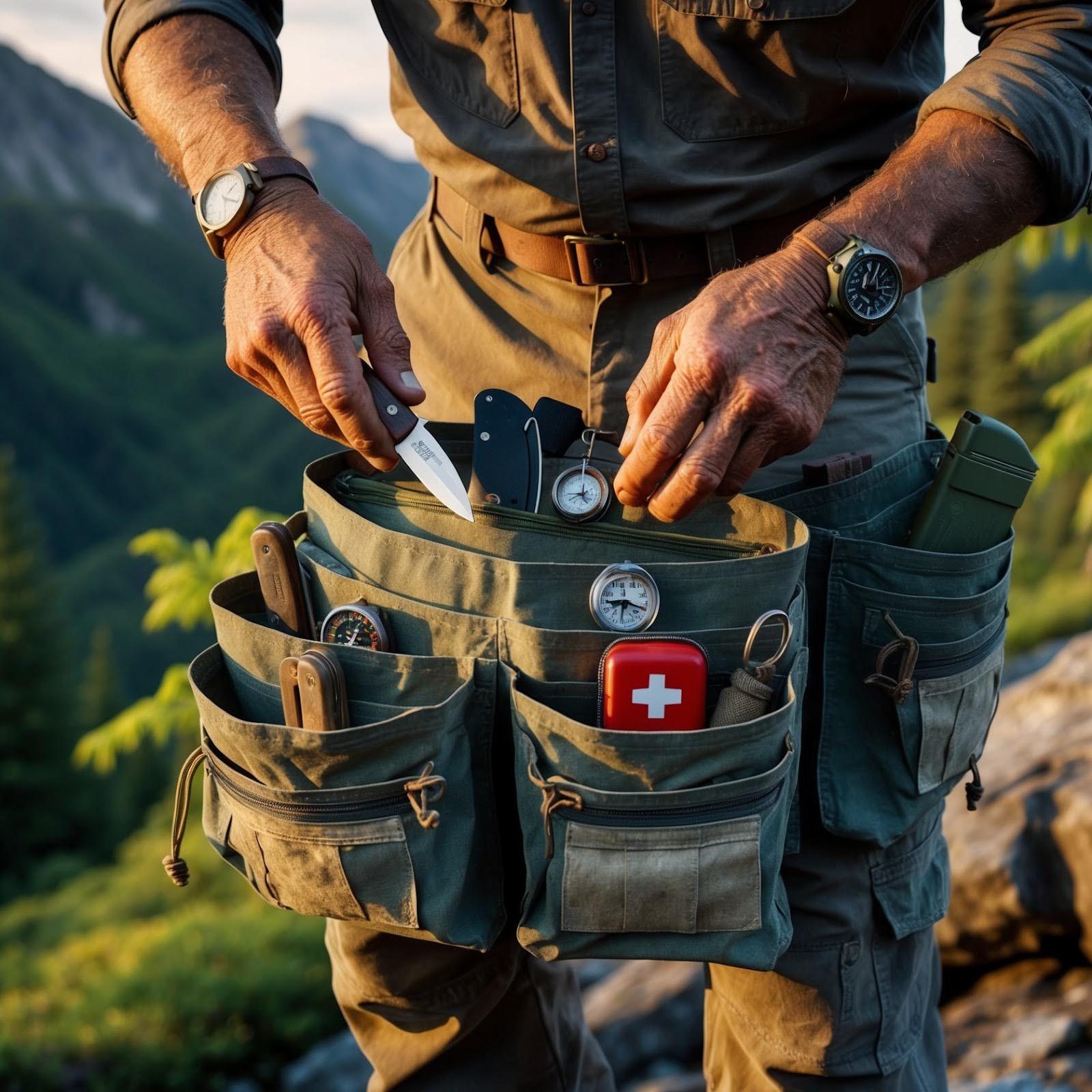
Imagine stepping into the wilderness with the confidence of a seasoned bushcraft explorer, knowing you’ve got everything you need right in your pockets. Sounds pretty cool, right? Well, that’s exactly what I’m going to share with you today. Let me take you through my personal journey of mastering the art of pocket packing for bushcraft adventures.
The Beauty of Minimalism in the Wild
You might think that being prepared means carrying a backpack so heavy it makes you walk like a penguin. But let me tell you one little secret: sometimes, less really is more. I’ve learned through countless trips that when you’re out in nature, every ounce counts, and that’s where smart pocket packing comes into play.
My goal is always to carry gear that:
- Pulls double (or even triple) duty
- Is light as a feather (well, almost)?
- Can handle both everyday tasks and unexpected challenges
- Is always within arm’s reach
But here’s the kicker: I’ve come to realize that my most valuable tool is the one between my ears. My knowledge and skills are what really count. The stuff in my pockets? That’s just there to complement my bushcraft superpowers.
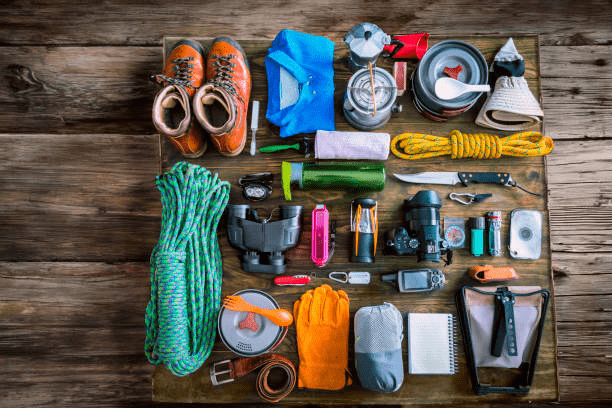
Crafting My Pocket System: A Place for Everything
Have you ever done the frantic pocket pat-down dance looking for your phone? Now imagine doing that when you need your fire starter and the sun’s about to set. Not exactly a fun wilderness moment, right? That’s why I’ve developed a solid pocket system, and let me tell you, it’s been a game-changer.
No matter if I’m rocking cargo pants, hiking shorts, or my favorite jeans, I stick to this basic layout:
- Two pockets at my hips
- Two pockets on my thighs
Now, let me walk you through how I fill those pockets with purpose!
Hip Pockets: My Everyday Heroes
These pockets are for the items I’ll reach for more times than I can count throughout the day.
Right Hip: My Trusty Blade
In this pocket, I always carry a compact, versatile knife. I’m partial to Swiss Army knives, but any small multi-tool will do. Here’s what I look for in mine:
- A main blade
- Scissors
- A can opener
- Tweezers
- A toothpick (trust me, you’ll thank me later)
I also attach a lanyard to my knife. It’s not just a fashion statement—it keeps my blade from playing hide-and-seek in the leaf litter.
Left Hip: My Lifeline Kit
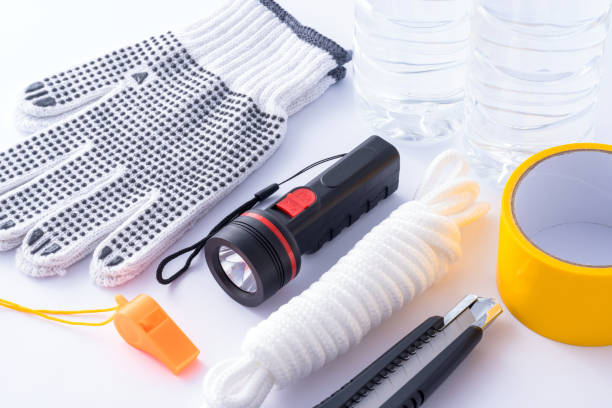
Here, I keep my fire-starting kit on a lanyard. I string these essentials together:
- A ferro rod (that’s bushcraft-speak for a metal fire starter)
- A striker (usually a piece of hard steel)
- A sturdy whistle (for signaling in emergencies)
- A compact LED flashlight or microlight
This setup ensures I’m never more than a pocket-reach away from making fire, signaling for help, or lighting up the night.
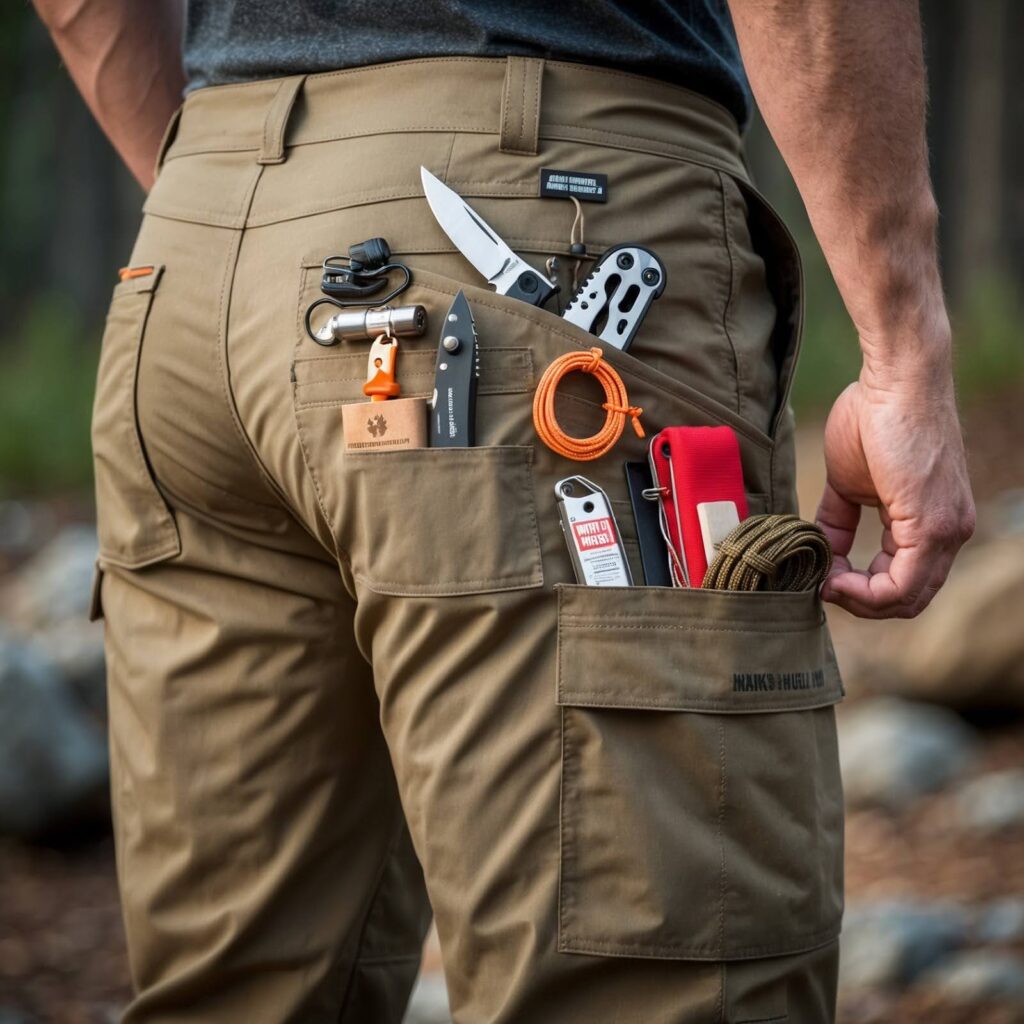
Thigh Pockets: My Problem-Solving Powerhouses
These larger pockets are perfect for items that might just save my bacon when things go sideways.
Right Thigh: My “Fix-It” Pocket
In this pocket, I always carry a mini first-aid kit (I like to call it my “ouch pouch”). Here’s what I pack in it:
- Assorted adhesive bandages
- Antiseptic wipes
- Pain relievers (I prefer ibuprofen, but use what works for you)
- Any personal medications I need
- A small roll of medical tape
- A couple of safety pins
- A few butterfly closures for larger cuts
I also keep a pocket-sized sharpening stone here. I’ve learned the hard way that a dull knife is not only useless; it’s dangerous. I always keep that edge keen.
For reliable tinder, I like to carry a few options:
- Birch bark (nature’s gift to firestarters, in my opinion)
- Cotton balls soaked in petroleum jelly
- Commercial fire-starting material
- Char Cloth in a small tin (which I can use to make more if needed)
Left Thigh: My “MacGyver” Pocket
In this pocket, I always have about 25 feet of paracord. This stuff is like the duct tape of the wilderness for me. I’ve used it for:
- Shelter building
- Gear repairs
- Improvised fishing line
- Emergency bootlaces
- Part of a bow-drill fire starting set
I also keep a reliable lighter in a waterproof case here. If I’m heading into seriously cold conditions, I swap this for stormproof matches in a waterproof container.
A small notebook and pencil are always in this pocket too. I’ve found them great for:
- Leaving notes if I need to leave my camp
- Recording observations or sketching maps
- Fire tinder in a pinch (though hopefully it won’t come to that).
Fine-Tuning My Kit: Making It Work for Me
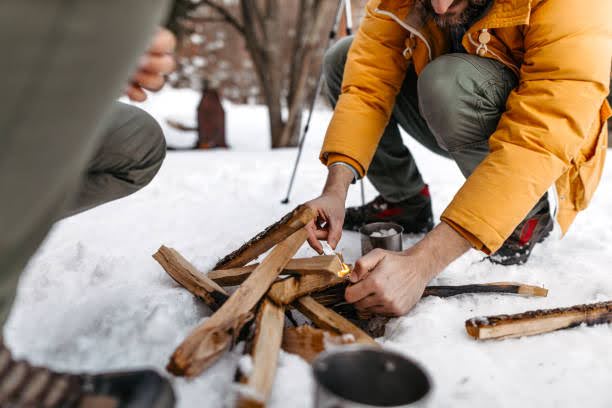
Now, I’ll be the first to admit that this setup isn’t carved in stone. I’ve learned to adjust based on:
- My destination: desert, rainforest, and tundra all have different demands.
- Trip duration: A day hike needs less than a week-long expedition.
- My skill level: I try to be honest with myself here. It’s okay to pack a little extra if I’m still learning.
- Local laws: Some places have restrictions on knife blade length or fire starting.
- Comfort: If my pockets are so full I walk like a cowboy, I know I’ve gone too far.
Beyond the Pockets: Integrating with My Larger Kit
Of course, my pockets aren’t the only place I carry gear. Here’s how my pocket kit works with other equipment:
- Belt knife: A larger, fixed-blade knife on my belt complements my pocket knife for heavier tasks.
- Folding saw: I often carry this on my belt or in my pack. It’s great for processing firewood.
- Water bottle: Hydration is key. I carry this on a belt clip or in my pack.
- Backpack: For longer trips, this carries my sleep system, extra clothes, and food.
The beauty of my well-planned pocket kit is that even if I’m separated from my pack, I’ve still got the essentials to handle most situations.
Maintaining My Gear: Keeping My Edge
Having great gear is only half the battle. I’ve learned I’ve got to take care of it too.
- Pre-trip check: I give everything a once-over before I head out.
- Post-use cleaning: I wipe down my knife, clean out my first-aid kit, and dry any damp items.
- Regular restocking: I replace used first-aid supplies and fire-starting materials.
- Battery check: I swap out old batteries in my light or recharge if it’s that type.
- Sharpening schedule: I keep my knife sharp; a dull blade is dangerous.
Skill Building: The Human Element
Here’s a truth bomb I’ve learned: the most ultralight, high-tech gear in the world won’t save me if I don’t know how to use it. That’s why I practice my skills constantly:
- Fire starting: Can I get a flame going in less-than-ideal conditions?
- First aid: I practice bandaging and using my supplies.
- Knot tying: I’ve gotten comfortable with a few essential knots.
- Navigation: I’ve learned to use a compass and read a map.
- Shelter building: I practice making a quick shelter with just my pocket gear.
I like to run through “what if” scenarios in my head or, even better, with friends. It’s like a real-life role-playing game where the skills I gain could literally save my life.
Real-Life Pocket Gear Victories
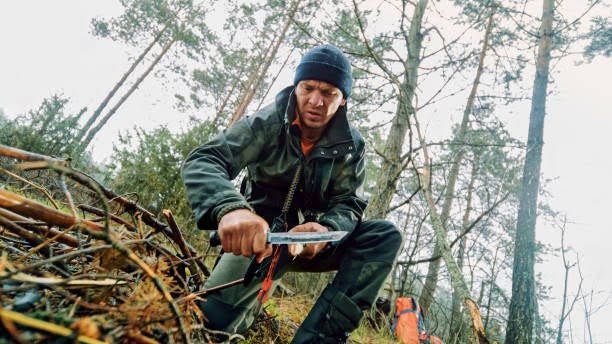
Let me share a couple of scenarios where my pocket kit has really shined:
The Unplanned Overnighter
I was out for what should have been a simple day hike. But a wrong turn and a sprained ankle later, I was facing an unexpected night in the woods. No sweat! With my pocket gear, I could:
- Use my flashlight to assess my surroundings and find a suitable spot to hunker down.
- Construct a lean shelter using paracord and natural materials.
- Get a fire going with my ferro rod, striker, and prepared tinder.
- Treat my ankle with supplies from my first-aid kit.
- Signal for help with my whistle if needed.
- Jot down my location and situation in my notebook, just in case.
The Gear Repair Challenge
I was two days into a week-long backpacking trip when disaster struck. My main knife dulled to uselessness, my backpack strap started to tear, and my bootlace snapped. Sounds like a nightmare, right? Not with my pocket kit:
- I used my pocket stone to bring my knife back to razor-sharpness.
- I repaired my backpack strap with some paracord and my multi-tool.
- I fashioned a new bootlace from another length of paracord.
Evolving My Kit: Personal Touches
As I’ve spent more time outdoors, I’ve figured out what works best for me. Some gear has become my trusty sidekick, while other items just collected dust. That’s perfectly okay! My kit has grown and changed with me.
I try to keep a quick note on my phone after each trip. What did I use? What stayed in my pocket? This has helped me fine-tune my setup over time. I’ve found I use dental floss for repairs more often than I thought, and that I never touch that bulky multitool. I adjust accordingly!
Leave no trace: Being a Good Wilderness Citizen
When I head into nature, I remember I’m a guest in someone else’s home—the home of countless plants and animals. So I try to be a good visitor.
- Pack it in, pack it out: Everything that comes with me leaves with me, including trash and used first-aid supplies.
- Fire responsibly: If fires are allowed, I only use dead and down wood, keep them small, and ensure they’re completely out before I leave.
- Stay on trail: This helps prevent erosion and protects sensitive plant life.
- Respect wildlife: I observe from a distance and never feed animals.
- Be considerate of others: I keep noise to a minimum and yield to other hikers on the trail.
The Psychological Edge: Confidence in My Kit
There’s something incredibly empowering about knowing I’m prepared for whatever nature might throw my way. My pocket kit isn’t just about the physical items—it’s a confidence booster. It allows me to focus on enjoying my surroundings rather than worrying about “what ifs.”
This confidence can be the difference between panicking in an unexpected situation and calmly working through the challenge. I’ve learned that in many survival situations, my mindset is just as important as my gear.
Sharing the Knowledge: Becoming a Resource
As I’ve become more experienced with my pocket kit and bushcraft skills, I’ve started sharing my knowledge with others. This has meant:
- Showing a friend how to pack their pockets for a hike
- Teaching a family member how to start a fire using a ferro rod
- Volunteering with a local outdoor group to teach basic wilderness skills
Passing on what I’ve learned not only helps others but also reinforces my own skills and has even given me new ideas for my own kit.
My Passport to Adventure
Mastering my pocket gear setup has been about more than just carrying stuff. It’s about feeling confident in my abilities, respecting the wild places I visit, and being prepared to handle whatever comes my way.
My pocket kit is like my outdoor persona in physical form. It’s changed as I’ve learned and grown, reflecting my experiences and the environments I’ve explored. And that’s the real beauty of it—I’m not trying to be ready for everything. I’m setting myself up to adapt, improvise, and overcome challenges with the tools at hand.
So next time I head out, I take a moment to appreciate my pocket-sized preparation. It’s not about having everything; it’s about having just enough to make my outdoor skills shine. It’s my ticket to freedom in the wilderness, my silent partner in adventure.
Now, I’m off to organize those pockets, sharpen those skills, and get out there! The great outdoors is calling, and with my smartly packed pockets, I’m all set for whatever exciting challenges await. Happy trails, and may your pockets always be perfectly packed!