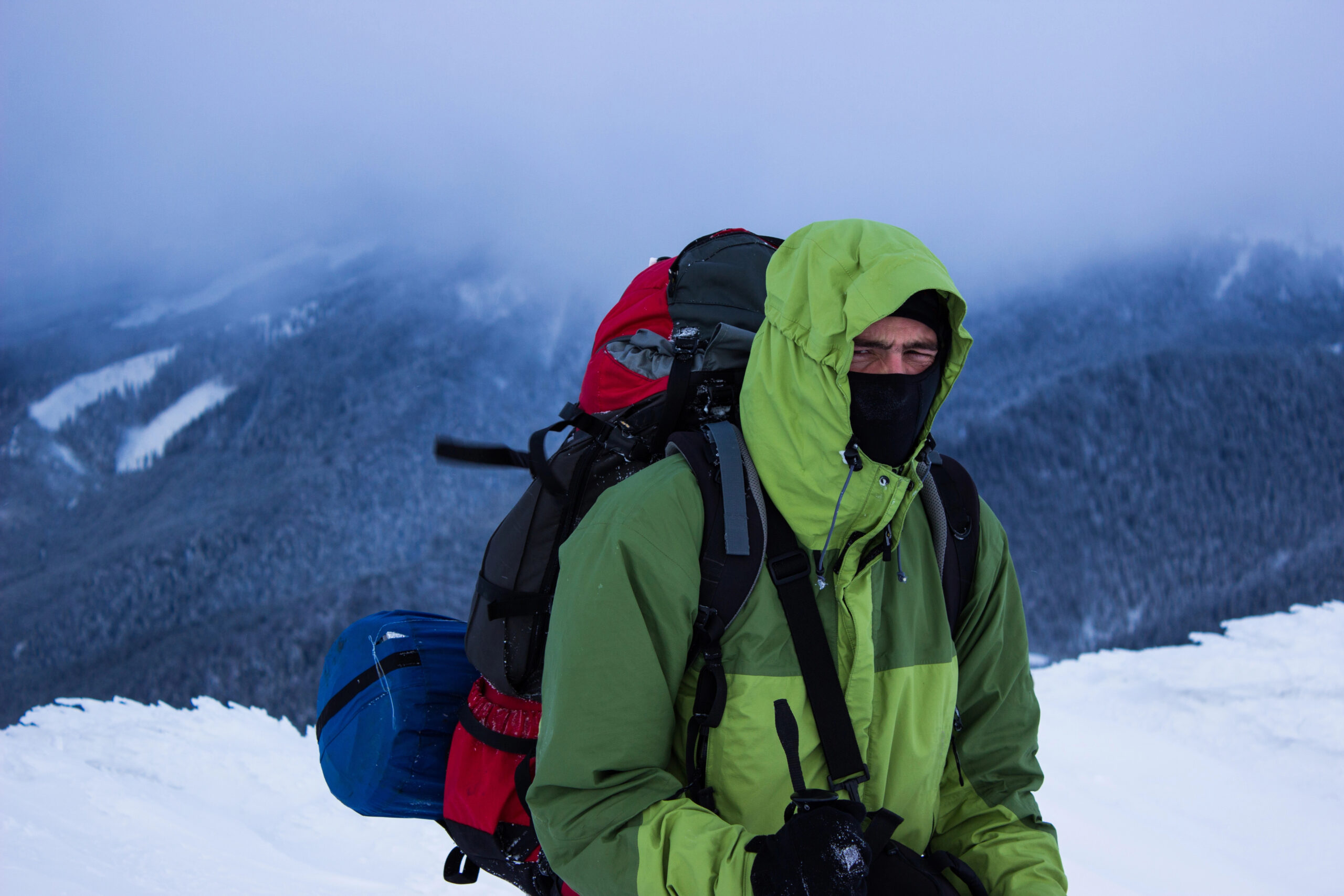
These lessons were learned the hard way. A sudden winter storm revealed the dangers of hypothermia when a so-called “waterproof” jacket failed. Within minutes, bone-chilling wind turned sweat-soaked layers into sheets of ice. That experience fundamentally changed the understanding of outdoor survival. Dressing smart for wild weather isn’t just about comfort—it’s about staying alive when nature unleashes its worst.
Having been battered by storms and scorched by the sun, firsthand experience has shown exactly what it takes to thrive when nature unleashes its fury. Each encounter has highlighted what works and what could lead to danger. Over countless miles of trails, valuable knowledge has been gained about staying alive in nature’s worst moods. Every hard-won secret is worth sharing—from layering techniques that provide safety in freezing temperatures to survival tricks that ensure endurance in brutal heat.

The Foundation: A Three-Layer System
Through practical experience, mastering the art of layering has proven to make all the difference. Clothing is always considered in three distinct layers, each serving a purpose. Dressing smart for wild weather begins with understanding this essential system.
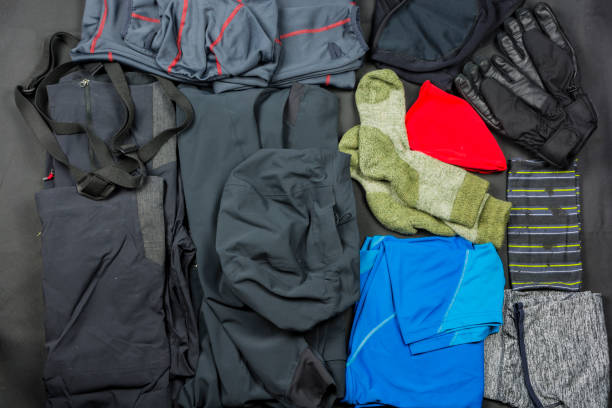
A synthetic or merino wool base layer is always the first choice—one that sits right against the skin. Cotton is a poor choice for outdoor activity, as it retains moisture and rapidly pulls heat from the body, leading to dangerous cold exposure. Synthetic fabrics and merino wool, on the other hand, wick moisture away from the skin and help maintain body temperature, even during intense activity. This simple switch drastically improves comfort and safety on the trail.
The middle layer focuses on trapping heat. When temperatures drop significantly, additional insulation is added, such as a fleece jacket combined with a light down vest. This combination provides warmth without excessive bulk.
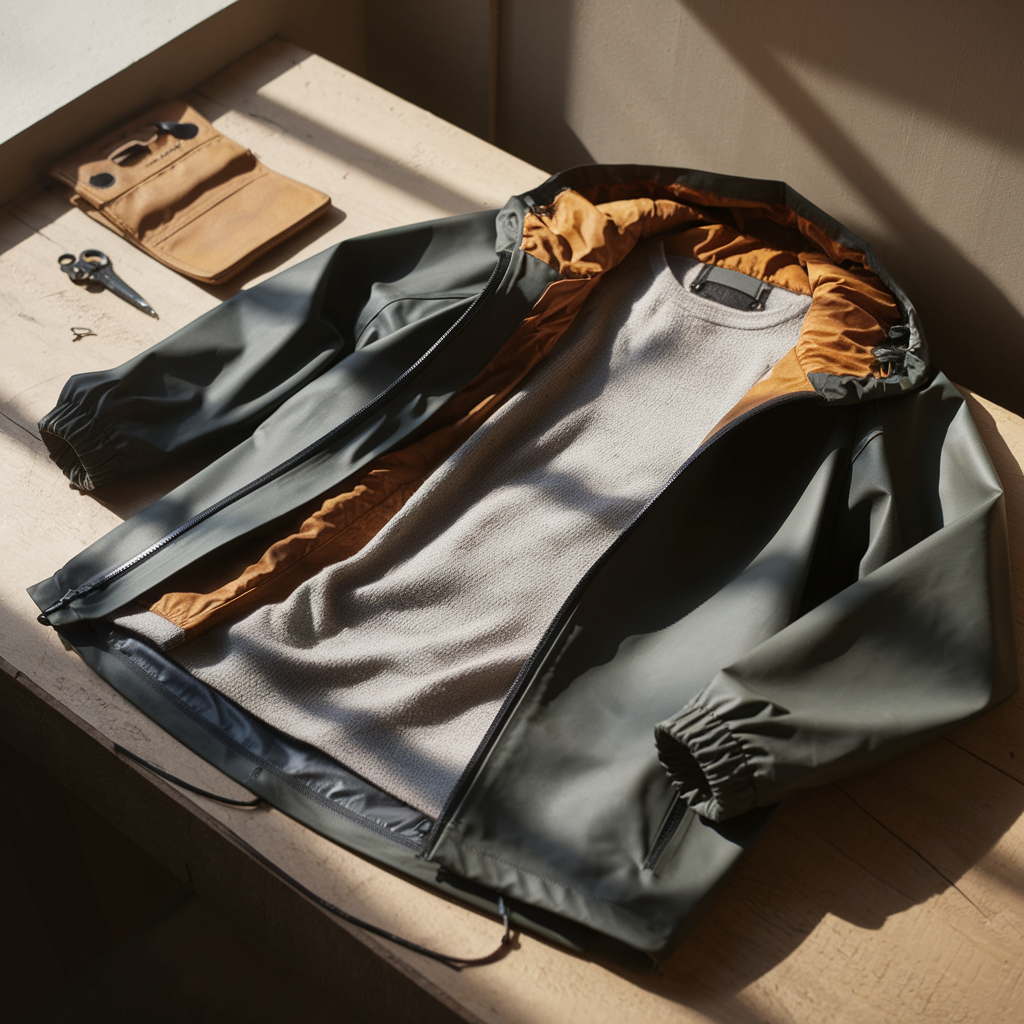
The outer layer serves as protection against rain, snow, and wind. Investing in high-quality waterproof, windproof jackets with adjustable hoods and ventilation zips has proven essential. These features allow for the release of excess heat without compromising warmth.
Cold Weather Tricks
Adapting middle layers has been a game-changer. By mixing different insulation types—such as wearing fleece under a softshell jacket—it’s possible to stay warm without sacrificing movement.
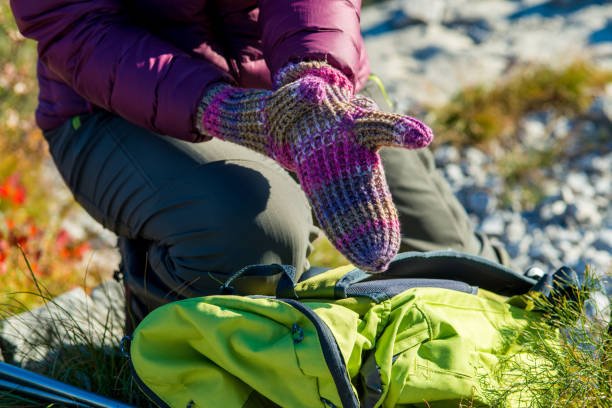
Cold hands were a persistent problem until the use of two pairs of gloves became a habit. A thin liner glove is now always worn beneath thicker insulated ones, allowing for dexterity without exposing skin to the cold.
A similar approach works for feet. A thin synthetic sock is worn under a thicker wool one, ensuring warmth without restricting circulation. Properly fitting boots are crucial—tight boots lead to cold toes fast.
Another surprising lesson: even in frigid temperatures, some airflow is necessary. During physical activity, the body generates heat, and without ventilation, sweat builds up, eventually leading to discomfort and chills.
A cold-weather toolkit now includes:
- A neck warmer or balaclava to cover exposed skin
- A well-fitted hat to minimize heat loss
- Insulated gloves that still allow for functional hand movement
What Works in Cold Weather
Investing in quality thermal underwear has proven invaluable. A merino wool set has lasted for years, keeping warmth locked in.
Footwear is a top priority—insulated boots with solid traction have made a significant difference in snowy conditions.
Hand warmers have saved many outdoor adventures, providing instant heat when needed.
Best Material Choices
Years of trial and error have revealed the best fabrics for extreme weather:
Merino wool: Exceptional for insulation and odor resistance
Fleece: Lightweight yet warm, ideal for middle layers
Down: Offers incredible warmth but requires protection from wet conditions
Synthetic insulation: The best choice for wet environments
Hot Weather Solutions
When temperatures soar, different strategies come into play. Dressing smart for wild weather means adapting to both extremes with equal preparation
Light, breathable fabrics become essential. Nylon and polyester help wick sweat away, and long-sleeved shirts with UV protection keep skin cool while preventing sunburn.
Warm Weather Strategies
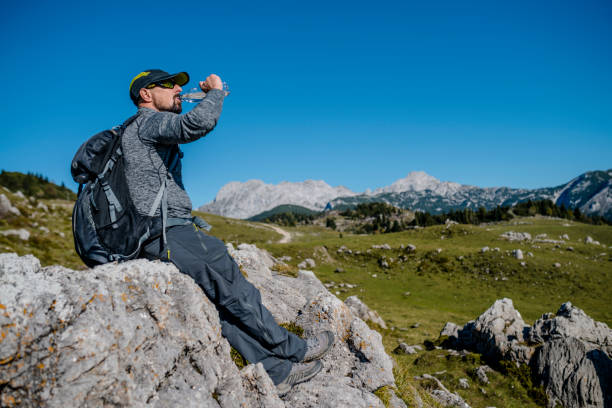
Manage warm weather with lightweight, breathable layers that regulate temperature while providing proper ventilation through hiking shoes or mesh-paneled sandals. Stay hydrated and use moisture-wicking headbands or caps to handle sweat. Apply cooling towels to neck or wrists for temperature regulation, wear loose clothing to promote air circulation, and shield yourself with a wide-brimmed hat for protection against direct sun exposure.
Looking Good While Staying Comfortable
Maintaining style while staying weather-ready is possible:
In winter: Nude-colored leggings under sheer tights allow for stylish layering. Turtlenecks add warmth, and summer dresses can be repurposed with added sweaters.
In summer: Cotton blends and linen offer breathability, while light cardigans provide coverage when temperatures drop in the evening.
Accessories serve dual purposes: Wide-brimmed hats and sunglasses offer sun protection while enhancing overall style.
Getting the Right Fit
Regardless of the season, proper fit is crucial. Clothing should not be too tight, as restricted movement and airflow can cause discomfort. Adjustable features ensure the perfect fit for different activities.
Being Ready for Weather Changes
Experience has emphasized the importance of packing emergency supplies. A lightweight rain jacket or thermal blanket can make a huge difference. Weather updates are checked regularly, and plans remain flexible.
Knowing personal limits is vital—some conditions are simply too extreme for safe outdoor activity, and recognizing when to adjust plans is a key survival skill.
Sustainable Choices in Weather Gear
Environmental impact is an important consideration. Choosing durable clothing reduces waste, and merino wool base layers have proven to outlast synthetic alternatives.
Brands that utilize recycled materials for outdoor gear are now preferred—one favorite rain jacket was made from recycled plastic bottles.
Gear maintenance is also prioritized. Basic sewing skills have extended the lifespan of many pieces, and second-hand stores often provide high-quality outdoor gear at a fraction of the price.
Smart Shopping on a Budget
Quality weather gear doesn’t have to be expensive. Thrift stores, outlet sales, and military surplus shops provide budget-friendly options. The strategy is to invest in key pieces while saving on others—waterproof boots and a winter coat were splurged on, while thrifted wool sweaters serve well as middle layers.
For summer gear, basic synthetic workout clothing from discount stores works just as effectively as premium brands.
Managing Seasonal Transitions
Unpredictable weather can be challenging, but preparation helps. A dedicated “transition box” with light gloves, thin wool hats, packable rain jackets, and thermal layers ensures adaptability.
Layering during transitional seasons is approached differently—multiple thin layers replace thick winter gear, making it easy to add or remove items as temperatures shift.
Being Ready for Emergencies
Unexpected weather events reinforce the need for preparedness. A car emergency kit includes a full change of clothes, extra socks, an emergency blanket, hand warmers, and non-perishable snacks. Similar mini-kits are kept in workspaces and daypacks, with regular seasonal updates to maintain effectiveness.
Advanced Weather Protection Strategies
Understanding Weather Patterns
Mountain valleys often experience temperature inversions, while urban areas create heat islands that alter local conditions. Coastal regions face rapid weather changes, and desert environments swing between temperature extremes. Each environment demands specific knowledge and preparation.
Activity-Based Temperature Considerations
Your body generates different amounts of heat based on activity level. Cross-country skiing typically requires lighter layers than downhill skiing due to sustained aerobic activity. Understanding your activity’s intensity helps fine-tune layer selection.
Regional Weather Challenges
Coastal regions face unique challenges with salt spray degrading gear more quickly. High-altitude locations demand extra attention to UV protection and rapid weather changes. Each region requires specific adaptations in both gear selection and maintenance.
Technology-Enhanced Protection
Modern weather apps can provide hyperlocal forecasts and real-time updates. Some advanced outdoor gear includes built-in temperature sensors or moisture monitoring. While technology shouldn’t replace good judgment, it can provide valuable additional information for decision-making.
Cultural Adaptations
Different cultures have developed unique solutions to weather challenges. Middle Eastern desert clothing often provides better hot-weather protection than modern technical gear. Indigenous Arctic peoples’ traditional layering systems offer insights into cold-weather survival.
Health Considerations
Different health conditions require specific weather protection strategies. Circulation issues may require extra attention to extremity protection. Some medications affect temperature regulation. Understanding these factors helps develop appropriate personal weather protection strategies.

Final Thoughts
Survival in extreme weather isn’t just about knowledge—it’s about mindset. Every challenge, every mistake, every hard-won lesson has shaped a deeper understanding of preparedness. The elements are unpredictable, but confidence comes from preparation. The most valuable lesson? Prepare before you need to.
Weather-ready habits have transformed outdoor experiences from moments of uncertainty to ones of empowerment. Gone are the days of dreading a sudden storm or scorching heat wave—now, each adventure begins with the assurance that any condition can be met with the right gear and strategies.
Preparation is a choice, and small, consistent actions make the difference between comfort and crisis. Invest in quality gear, learn from experience, and adapt with each season. Take the time now to assess, adjust, and refine your approach to dressing smart for wild weather.
The wild doesn’t wait for second chances. Be ready, stay ahead of the elements, and embrace every adventure with confidence. Stay warm, stay cool, and most importantly—stay safe!