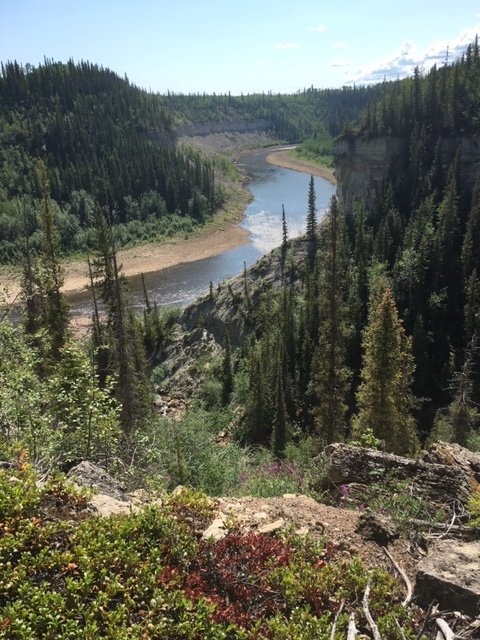
Along the Hay River Territorial Park trails and the Twin Falls Gorge waterfall paths, visitors often leave empty chip bags under rocks. Understanding and following Leave No Trace Principles is essential to prevent these small acts that, multiplied across the Northwest Territories’ pristine wilderness areas, create lasting damage to the delicate northern ecosystem. Experience shows that education, not judgment, makes the real difference in protecting these treasured northern spaces.
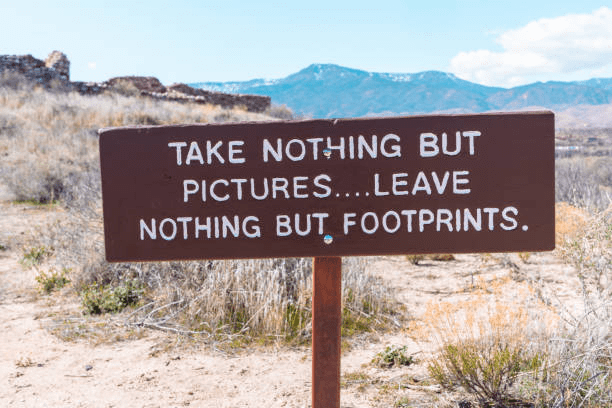
The Birth of Leave No Trace
The 1960s marked a turning point for outdoor recreation in Northern Canada. More people than ever started exploring the pristine wilderness of the Northwest Territories, leading to unexpected challenges for our natural spaces. Overused campsites, trampled vegetation, and disrupted wildlife became common sights. Along the ancient portage routes near Hay River, where Indigenous peoples have traveled for generations, increased foot traffic began leaving its mark on the boreal landscape.
In 1994, the Leave No Trace Center for Outdoor Ethics emerged as a response to these growing concerns. What started as a simple idea—leaving natural spaces exactly as we find them—grew into a comprehensive framework for sustainable outdoor recreation, becoming especially vital for protecting the delicate northern ecosystems around Hay River, from the shores of Great Slave Lake to the winding paths of Twin Falls Gorge.
The Leave No Trace Principles have fundamentally changed how we experience and interact with nature. These seven guidelines provide a framework for minimizing our impact while enjoying the wilderness.
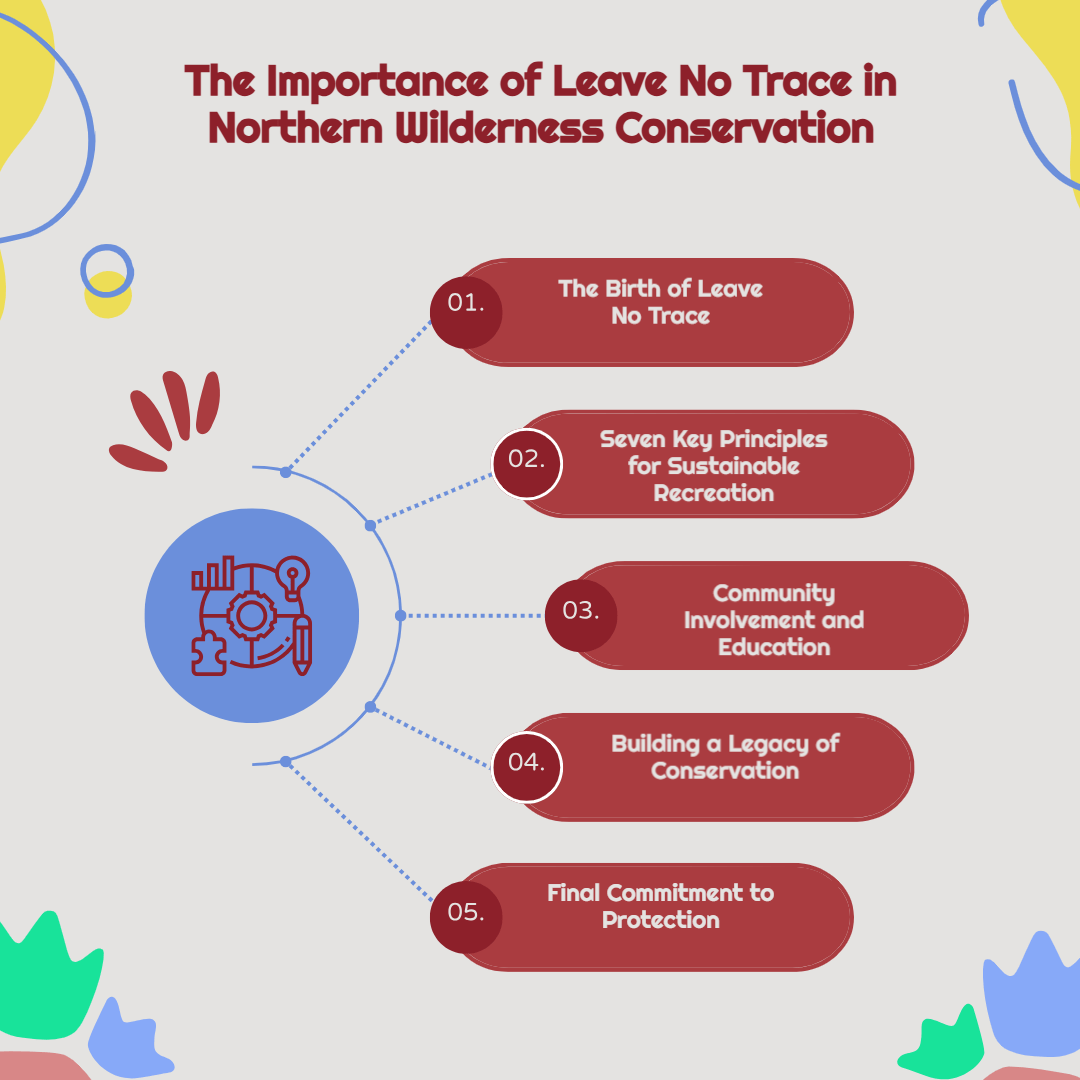
Seven Leave No Trace Principles That Changed How We Experience Nature
1. Planning Makes Perfect
When planning a first backpacking trip in the Northwest Territories, success starts before leaving home. Experienced hikers know that research, weather monitoring, smart packing, and sharing travel plans are essential.
Recently at the Twin Falls Gorge trail, a group of hikers had to turn back because they hadn’t secured the necessary territorial park permits. A simple check of the NWT Parks website could have saved them a long drive from Yellowknife. Every successful adventure begins with preparation.
Smart planning for NWT trails includes:
- Mapping routes and identifying water sources along the Hay River and surrounding waterways
- Learning about territorial park regulations and permit requirements
- Creating meal plans that account for northern conditions
- Checking gear for cold-weather functionality
- Understanding wilderness first aid and emergency protocols for remote northern locations
2. The Ground Beneath Our Feet
“Stay on the trail” sounds simple, but its impact runs deep. Each time someone steps off marked paths in the northern wilderness, they risk damaging delicate ecosystems that took decades to develop in our harsh climate. Along the Alexandra Falls trail, areas with heavy foot traffic show noticeably fewer native plants than protected spaces.
Choosing established campsites is crucial in the Northwest Territories. These spots have already been impacted and can handle continued use better than pristine areas. At popular camping areas near Twin Falls Gorge, experienced campers look for signs of previous use—compressed soil, established tent spots, existing fire rings—rather than creating new impacts in untouched boreal forest.
Protecting the northern ground means:
- Walking single-file in the middle of trails, especially on permafrost-sensitive terrain
- Camping at least 200 feet from the Hay River and surrounding water bodies
- Setting up tents on durable surfaces like gravel or packed ground
- Avoiding shortcuts on established paths, particularly around gorge viewpoints
- Moving camp every few days when exploring pristine areas of the boreal forest
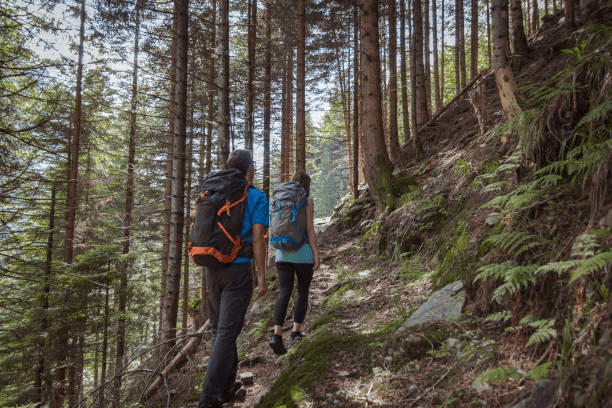
3. What We Carry Out Matters More Than What We Carry In
The “pack it in, pack it out” philosophy has transformed how northern adventurers approach outdoor activities. Every wrapper, piece of fruit peel, and bit of trash must return home with the visitors. For human waste in the boreal forest, dig catholes at least 200 feet from water sources and trails. Experienced backcountry travelers keep dedicated bags for trash and recyclables—a simple system that makes a big difference in preserving these pristine spaces.
Proper waste management in the northern wilderness includes:
- Using biodegradable soap for dishes and personal hygiene in cold climates
- Carrying out used toilet paper in sealed bags despite harsh conditions
- Straining dishwater and packing out food particles to avoid attracting wildlife
- Bringing extra bags for unexpected trash found along forest trails
- Learning area-specific regulations about human waste disposal in permafrost regions
4. Nature’s Treasures Stay in Nature
The temptation to collect natural souvenirs from the boreal forest—whether striking pieces of quartz or unusual pine cones—is something many hikers face. Yet leaving these objects preserves the full experience for future visitors. Taking photographs creates lasting memories while keeping the wilderness intact, allowing each explorer to discover nature’s treasures as they were meant to be found.
Preserving northern wilderness spaces means:
- Photographing native plants to share their beauty
- Leaving natural artifacts and historical objects for others to discover
- Keeping the forest free of human-made structures or rock cairns
- Setting an example of respectful wilderness practices
- Recording discoveries through art or journaling to share the experience
5. Fire’s Double Edge
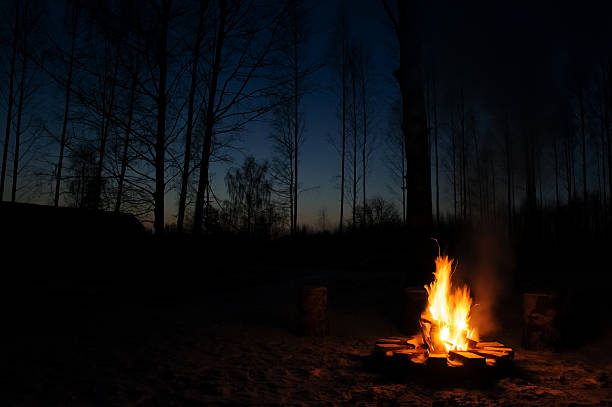
Making fires responsibly in the boreal forest means understanding their lasting impact. Established fire rings should be used when allowed, and alternatives like portable stoves deserve consideration, especially during dry conditions. In the northern wilderness, where the ecosystem is particularly sensitive, portable stoves often provide a safer cooking option while protecting the delicate forest floor.
Responsible fire practices in northern forests include:
- Checking local fire regulations and seasonal conditions
- Using established fire rings away from overhanging branches
- Collecting only dead and downed wood from the forest floor
- Keeping fires small and manageable in all weather
- Learning multiple fire-starting techniques for emergencies
- Mastering portable stove use in cold conditions
6. Wildlife Needs Space
Wildlife encounters in the boreal forest are precious moments that require respect and caution. The northern wilderness is home to diverse species—from moose and bears to wolves and foxes—and each needs its own space to thrive. When animals become habituated to human contact through feeding or close encounters, it disrupts their natural behaviors and can lead to dangerous situations for both wildlife and people.
Respecting northern wildlife involves:
- Learning about boreal species and their seasonal patterns
- Using bear-proof food storage in all seasons
- Keeping pets under strict control on trails
- Observing animals from safe, respectful distances
- Understanding wildlife patterns during different seasons
7. Sharing the Trail
The vast northern wilderness belongs to everyone who ventures into its realm. While the boreal forest may seem endless, considerate behavior ensures all visitors can experience its tranquility. Breaking larger groups into smaller ones and maintaining respectful noise levels preserves the peaceful atmosphere that draws people to these remote spaces.
Trail etiquette in northern forests includes:
- Yielding to uphill hikers on forest paths
- Keeping group sizes small to minimize impact
- Using headphones instead of disturbing the forest quiet
- Selecting campsites away from main trail intersections
- Respecting quiet hours in wilderness camping areas
Implementing Leave No Trace Principles in Real Life
Simple habits transform sustainable practices into second nature within the boreal forest. Create comprehensive packing checklists with reusable containers and waste management solutions tailored for harsh northern conditions. Familiarize yourself with boreal wildlife patterns that shift dramatically across seasons. Master cold-weather camp setup techniques before venturing deep into the wilderness, and begin with shorter day hikes on established trails to build experience. Consider joining guided northern expeditions where experienced leaders can demonstrate proper techniques in real-world settings.
Preparation Tips for Northern Wilderness
Northern forest travel demands specialized preparation beyond standard wilderness knowledge. Pack essential gear in waterproof containers to protect against the region’s notoriously unpredictable weather systems. Always carry additional water reserves despite the apparent abundance of natural sources. Develop proficiency with essential wilderness knots that secure equipment in challenging conditions. Thoroughly test all equipment before remote journeys, and organize emergency supplies for immediate accessibility regardless of weather extremes or unexpected situations.
Group Management in the Boreal Forest
Successfully leading groups through northern wilderness requires methodical organization and clear communication. Assign specific responsibilities based on individual experience levels to maximize group efficiency and safety. Implement comprehensive buddy systems that enhance situational awareness and emergency response capabilities. Schedule regular check-ins during extended forest excursions to maintain group cohesion. Establish explicit expectations regarding Leave No Trace practices in particularly vulnerable northern ecosystems, and cultivate engagement through educational activities about the unique flora and fauna of the region.
Essential Gear for Leave No Trace Camping
When practicing Leave No Trace Principles in the northern wilderness, choosing the right equipment becomes crucial for minimizing environmental impact. The Portable Brown Folding Camp Stool with Steel Frame exemplifies thoughtful gear selection that supports sustainable outdoor practices. This lightweight stool eliminates the need to move rocks or logs for seating, preventing damage to natural formations and wildlife habitats. Its compact folding design means less gear volume, allowing backpackers to carry other essential Leave No Trace items like proper waste disposal bags and biodegradable soap.
The steel frame construction supports up to 220 pounds while weighing only three pounds, making it ideal for extended northern wilderness expeditions where every ounce matters. Unlike improvised seating that can disturb fragile boreal forest ecosystems, this ready-to-use stool provides comfortable rest without leaving traces on the landscape. The durable 600D polyester seat withstands harsh northern conditions while the coyote brown color blends naturally with forest environments, maintaining the visual integrity of pristine wilderness areas that Leave No Trace ethics seek to preserve.

Building Community Through Northern Conservation
Northern wilderness areas flourish under collective stewardship through organized trail maintenance, strategic cleanup initiatives, and targeted conservation projects. These collaborative activities forge lasting connections among individuals united by their commitment to preserving these irreplaceable natural spaces. The shared experience of protection creates a community of practice dedicated to northern wilderness preservation
Getting Involved in Northern Conservation
Begin with modest conservation efforts and gradually expand your involvement as skills and knowledge develop. Establish connections with local outdoor advocacy organizations focused on northern ecosystem protection. Attend specialized wilderness preservation workshops that address the unique challenges of boreal environments. Contribute time to trail maintenance projects that preserve access while minimizing environmental impact. Actively share knowledge about northern ecosystems with interested individuals, and provide financial or volunteer support to organizations dedicated to northern wilderness protection.
Teaching Others About Northern Wilderness
Knowledge sharing strengthens the foundations of wilderness conservation communities and ensures sustainable practices continue across generations. Demonstrate proper wilderness techniques through personal example rather than mere instruction. Share specialized wilderness skills with newcomers eager to explore northern landscapes responsibly. Support educational programs that connect youth with northern ecosystem concepts and conservation principles. Document wilderness experiences thoughtfully to inspire others while respecting sensitive locations. Guide those new to northern environments through skill development that emphasizes both self-sufficiency and environmental stewardship.

Preserving Northern Wilderness
The boreal forest represents a legacy worth protecting. Each person who ventures into these northern spaces becomes part of an ongoing story of conservation and respect. Individual actions, when multiplied across communities, create lasting positive change in wilderness preservation.
The relationship with the northern wilderness isn’t just about following guidelines; it’s about fostering connections that inspire protection of these unique spaces. Practicing Leave No Trace Principles preserves both the physical environment and the opportunity for future generations to discover their own connections with these wild places.
Making human presence invisible while making commitment to protection unmistakable becomes crucial in the northern wilderness. Every careful step on forest trails, every piece of trash packed out, every moment spent teaching others about wilderness ethics ripples forward through time. These actions create a legacy of preservation that ensures these pristine spaces remain protected.
The northern wilderness offers profound gifts: adventure, solitude, challenge, and peace. Through dedicated practice of sustainable outdoor ethics, visitors give something invaluable in return: a promise to protect these remarkable spaces for all who will follow these same paths through the boreal forest.