
The Call That Changed How I Teach Preparedness
It was February, and the temperature had dropped to -38°C (-36°F) outside Inuvik when an emergency call came in. A group of workers travelling on the Dempster Highway, had gotten their truck stuck in a ditch after dark. One of them had a suspected broken wrist. Two others showing early signs of hypothermia. The fourth was, by all accounts, completely together — calm, organized, doing everything right.
The responding EMR expected to find someone with formal outdoor training keeping the group stable. What was found instead was a project manager from Edmonton on his first northern job posting. No survival training beyond a basic first aid certificate. He’d built a windbreak from the truck and gear, kept everyone moving to maintain body heat, and made a clear assessment of each person’s condition. He hadn’t panicked. He’d just worked the problem.
He was asked later how he’d stayed so calm. He shrugged. “It’s just project management,” he said. “You identify what you can control, you prioritize, and you start.”
When I heard that it changed how I have approached wilderness preparedness ever since. Mental resilience under pressure isn’t a mystical skill that survivalists are born with. It’s a structured approach — and if you spend your working life managing complexity under pressure, you already have the foundation. You just need to know how to apply it.
Why Analytical Thinkers Are Naturally Wired for This
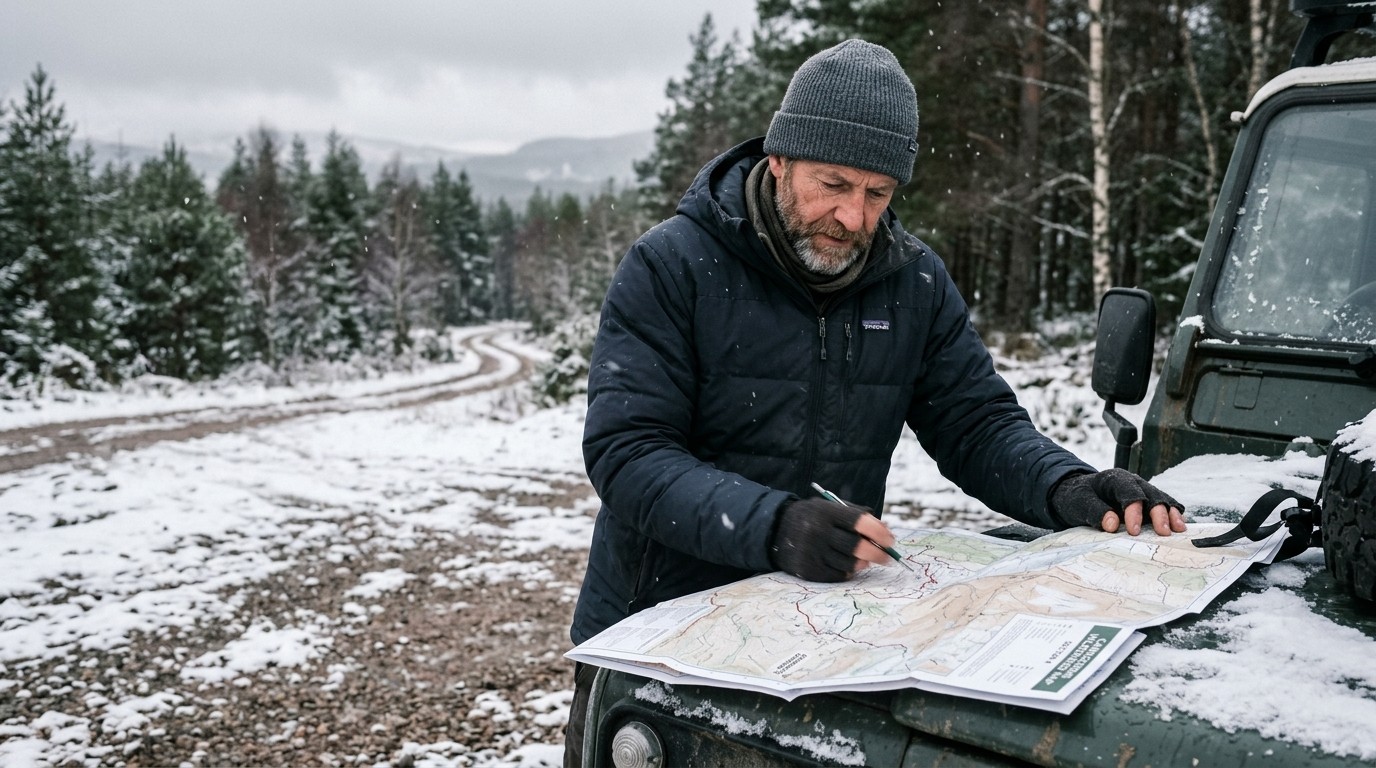
Here’s something the survival media doesn’t tell you: the people who perform best in wilderness emergencies are rarely the ones who’ve watched the most Bear-Grylls videos. In five years as an Emergency Medical Responder in the Northwest Territories, responding to incidents, the pattern I noticed most consistently was this — structured thinkers outperform panicked specialists.
The corporate professional in their 40s who can run a project under a deadline, manage stakeholder conflict, and adapt when the scope changes on a Friday afternoon? They already have the core cognitive architecture for managing a wilderness emergency. They’re used to incomplete information. They’re used to making decisions when the stakes are real. They know how to triage what matters.
What they often lack isn’t the ability — it’s the applied framework. They haven’t been taught to map their existing professional skills onto an outdoor context. So when the environment changes — weather rolls in, a navigation error adds two hours to the route, or someone turns an ankle at dusk — the gap isn’t skill, it’s familiarity with applying it.
My core teaching philosophy is built around one principle: certainty over fear. Wilderness preparedness isn’t about training yourself to not be scared. It’s about building systems that make fear irrelevant — because you know what to do and you’ve practiced it. That’s a concept any professional who’s ever run a crisis communication plan or a business continuity protocol already understands intuitively.
The wilderness doesn’t reward heroics. It rewards preparation and clear thinking. And clear thinking under pressure is something you already do.
Three Mental Competencies That Make the Difference in the Field
I’ve identified three mental competencies that consistently separate people who manage emergencies well from those who don’t. None of them require you to be a wilderness expert. All of them can be trained.
1. Controlled Situation Assessment — The STOP Protocol
The single most damaging thing you can do in a wilderness emergency is the same thing that damages you in a business crisis: react before you assess. I teach a framework I call the STOP Protocol, and I’ve used it myself on every serious incident I’ve responded to in the field.
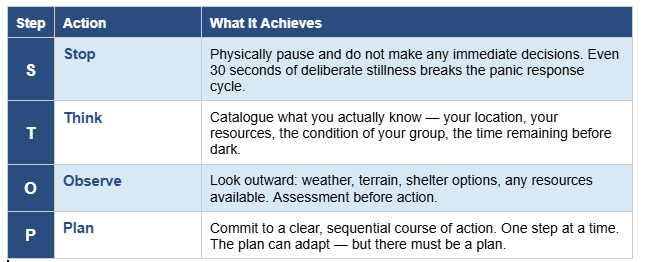
In the professional world you might call this a structured problem-solving protocol. In the field, it’s what keeps a manageable situation from becoming a serious one. The STOP Protocol works because it interrupts the reactive loop — the same fight-or-flight pattern that causes bad decisions in boardrooms and in blizzards alike.
2. Emotional Regulation Under Sustained Pressure
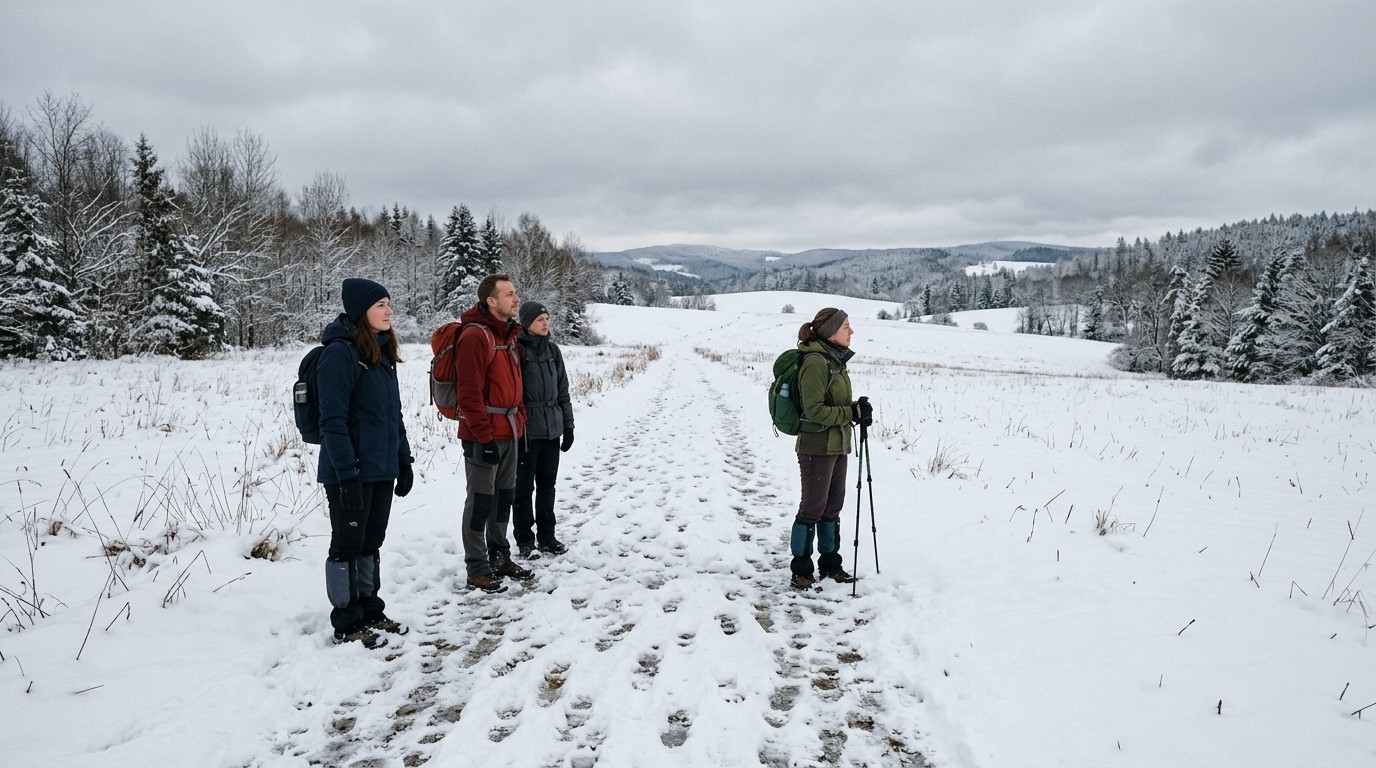
Short-term panic is one problem. The deeper challenge in wilderness emergencies is what I call sustained pressure management — maintaining clear thinking over hours, not just minutes. This is where people who’ve worked in high-pressure professional environments have a genuine advantage.
The brain under sustained stress defaults to tunnel vision. You fixate on the problem directly in front of you and lose awareness of the larger picture. I’ve seen this happen to capable, intelligent people in the field — they get so focused on trying to start a fire that they forget to build a wind shelter first. Or they spend an hour trying to navigate out of a valley instead of making camp before the light goes.
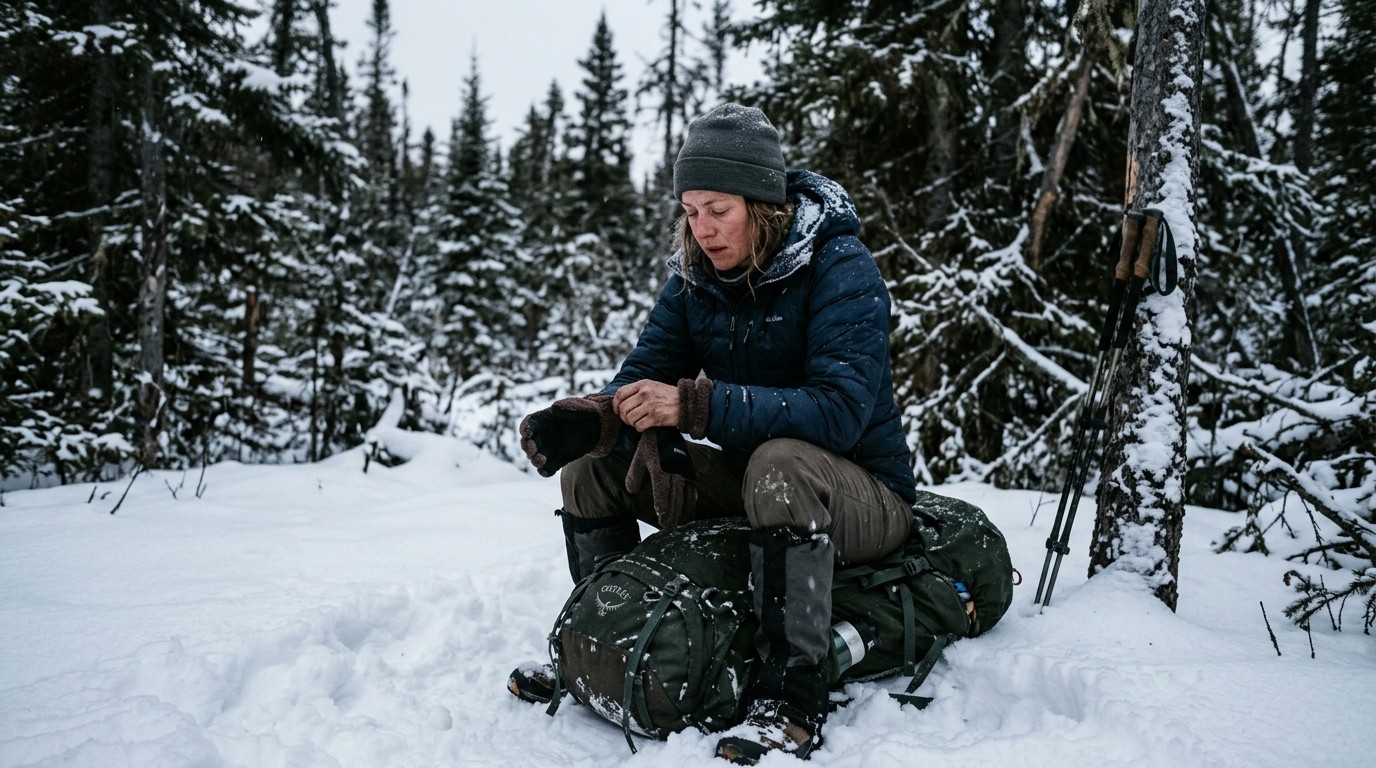
The corrective protocol is simple but requires deliberate practice: scheduled reassessment. groups are taught to build a reassessment checkpoint into any extended situation — whether it’s a project that’s running long or a winter camp where conditions are changing. Every 30 minutes, stop and ask: is this still the right priority? What has changed? What do I not know yet?
Corporate professionals who run project retrospectives or use agile sprint reviews are already doing a version of this. They’re accustomed to holding the immediate deliverable and the strategic objective at the same time. That cognitive habit transfers directly to field decision-making.
The goal isn’t to eliminate the emotional response — that’s not realistic or even desirable. Heightened alertness has real value in the field. The goal is to ensure that emotion informs your awareness without controlling your decisions.
3. Adaptive Problem-Solving When the Plan Changes
Incidents in the NWT have involved at least one moment where the original plan stopped working. The weather changed. The terrain was different from the map. Someone’s physical condition deteriorated faster than expected. Equipment failed. This isn’t the exception in wilderness situations — it’s the rule.
What separates people who manage these transitions well isn’t prior experience with that exact scenario — it’s the ability to reframe without catastrophising. The plan has changed. That’s a fact, not a disaster. What’s the new information? What does the updated situation require?
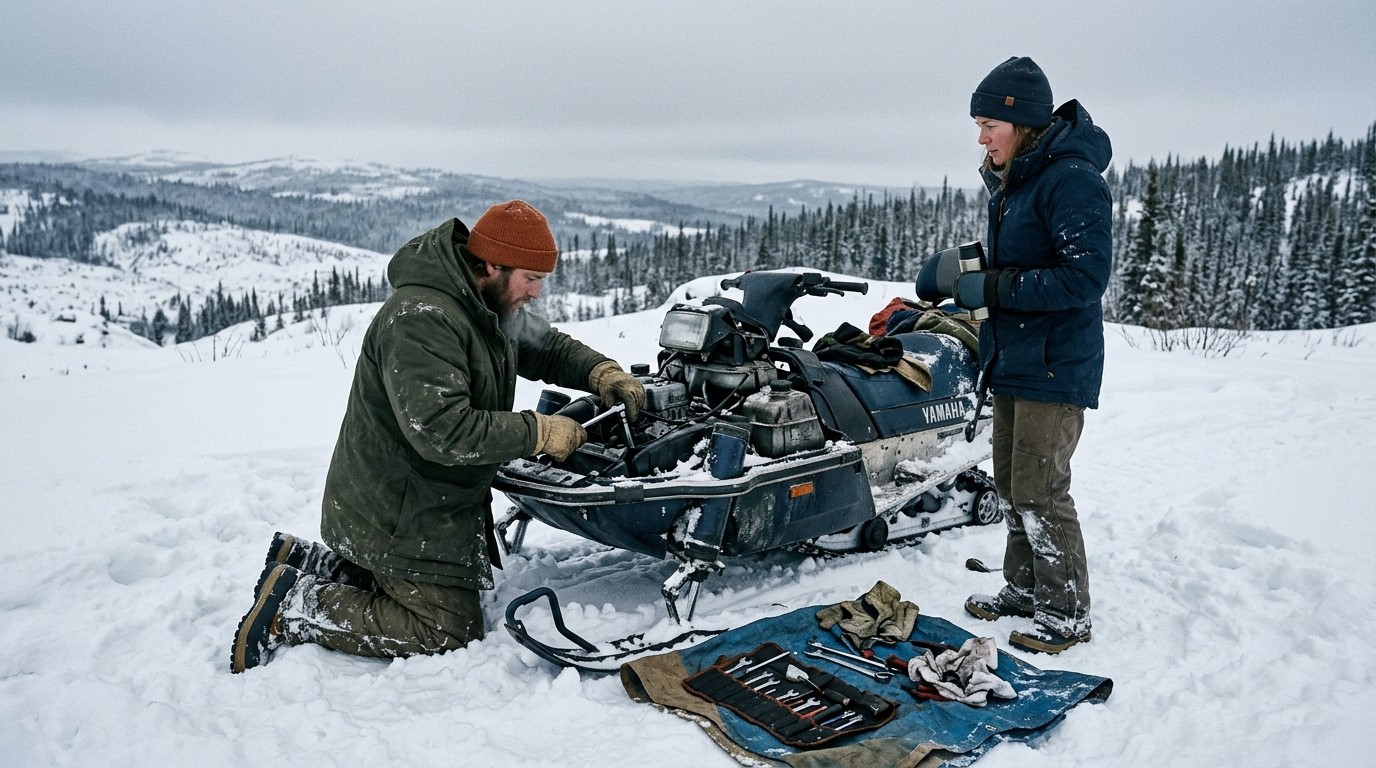
I’ve noticed that professionals with strong change management experience handle this almost instinctively. They’ve been trained — either formally or by repeated exposure — to treat a changed plan as data, not as failure. That mindset is enormously valuable in the field.
The practical skill I teach alongside this is constraint-based planning: when the original plan fails, you work systematically from the resources and options actually available to you, not from the resources you wish you had. List what you have. List what you need. Find the overlap. Work that.
What Two Field Incidents Taught Me About Resilience Under Pressure
Abstract frameworks are useful. What actually builds confidence is understanding how these principles play out in real situations. Here are two incidents from the NWT that teach mental resilience.
Incident One: The Mackenzie Delta, February, -41°C (-42°F)
A group of environmental technicians were doing winter survey work near the Mackenzie Delta. Three people, two skidoos, and a full day’s work ahead. Partway through the afternoon, they lost one skidoo to a mechanical failure — a snapped drive belt, not repairable in the field. They now had two hours of usable light, one working machine that could carry two people safely, and a third person with no ride.
The technician who found himself without transport was understandably stressed. His first instinct was to start problem-solving immediately — checking the broken machine, suggesting fixes, talking through options at speed. The instruction was “Stop. Let’s assess before we move.”
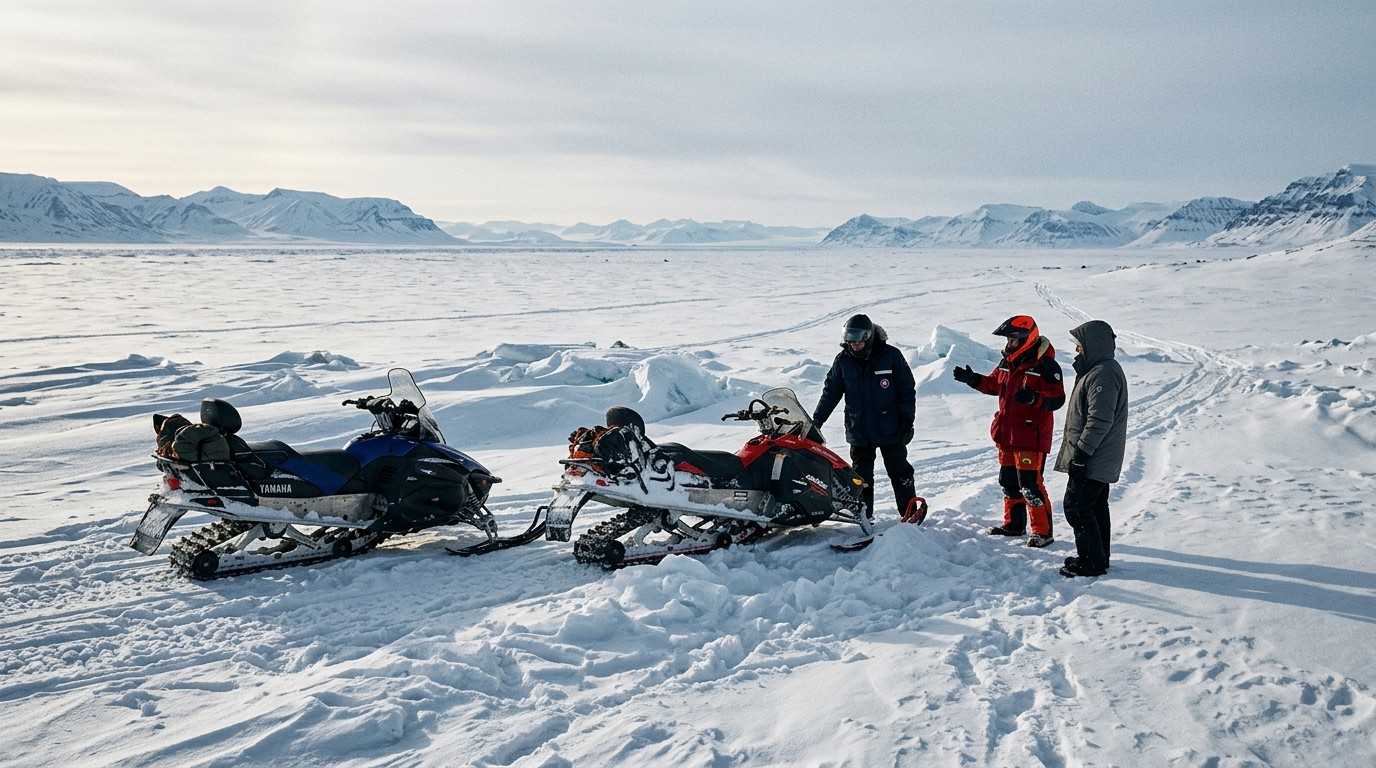
What the STOP Protocol produced in four minutes: the broken skidoo could carry a passenger safely even without power if towed. They had rope. The terrain between their position and the road was relatively flat. The solution was low-drama and practical. But it required stopping the reactive cycle first.
They made it out with 20 minutes of light to spare. The debrief conversation afterward was one of the most useful I’ve had with a corporate group — because the technician who’d been without transport recognized exactly what had shifted when we stopped to assess. “That’s just risk triage,” he said. “I do that every day. I just didn’t know I was allowed to do it here.”
| Key takeaway from this incident: The mental skills you use daily in professional environments are field-ready. The barrier is usually permission — not knowing that slowing down and assessing is the correct protocol, not a sign of incompetence. |
Incident Two: Nahanni National Park Reserve, Late October, -22°C (-8°F)
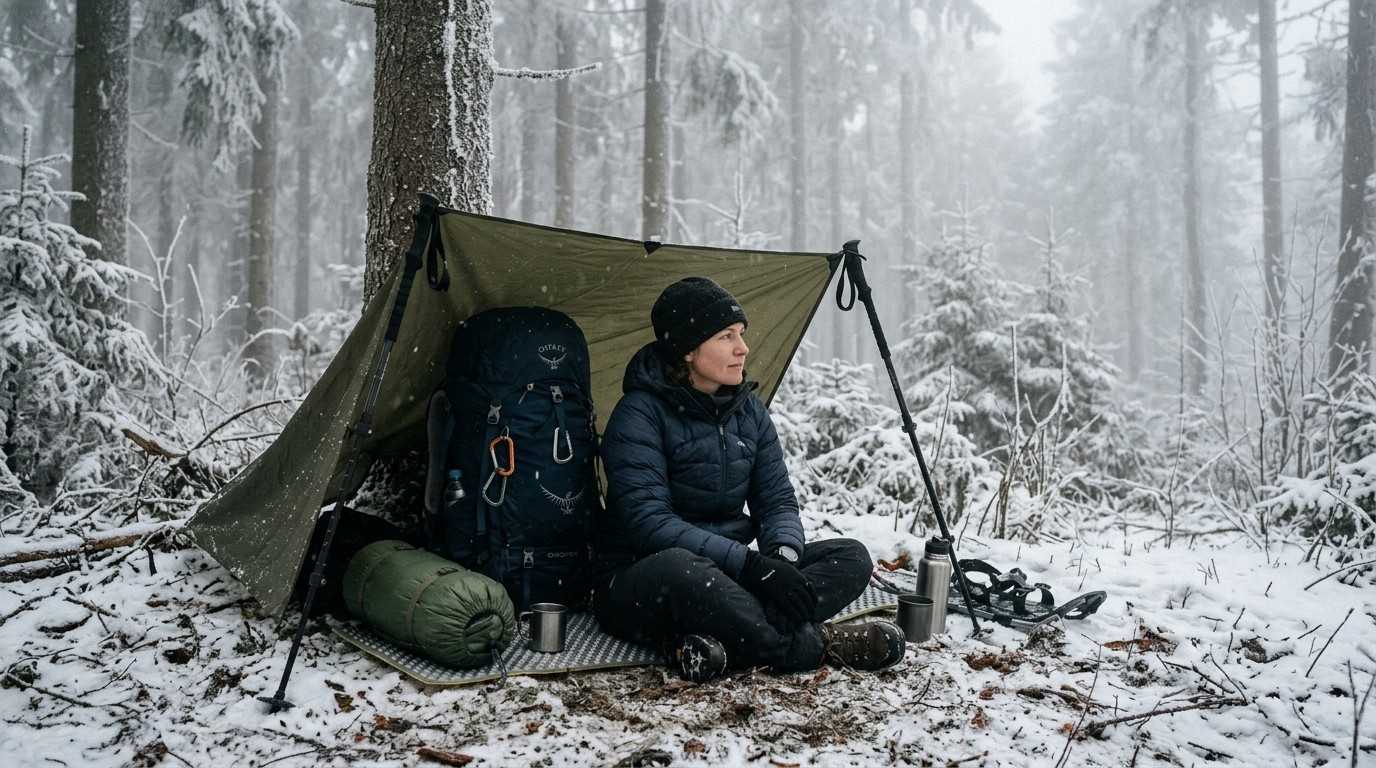
A solo hiker had become disoriented in deteriorating fog and couldn’t locate his camp. By the time the SAR team made contact, he’d been out for about four hours beyond his planned return.
What struck the team immediately was his state when we found him: completely calm. Not numb or in shock — actively calm. He’d made a small shelter from his pack and extra layers, found a position out of the wind, and was tracking his situation clearly. He knew roughly where he’d started going wrong. He’d rationed his water. He’d kept moving enough to maintain his core temperature without depleting his energy reserves.
He was a logistics coordinator. He’d never done a survival course. What he’d done, he explained afterward, was treat it like a supply chain disruption: “I knew I couldn’t fix the navigation problem immediately, so I focused on stabilizing the situation and minimizing exposure while I waited for resolution.”
That framing — stabilize, minimize exposure, wait for resolution — is a completely transferable professional protocol. He hadn’t learned it from a survival manual. He’d built it from years of managing systems under pressure, and it worked.
| Key takeaway from this incident: Mental resilience in the wilderness isn’t a separate skill you need to develop from zero. It’s an extension of the structured thinking you already use professionally — applied in a new environment. |
A Three-Stage Framework for Building Your Field Mindset
You don’t build mental resilience for the field by reading about it — you build it through deliberate, low-stakes practice that makes the right habits automatic before you actually need them. Here’s the phased approach I recommend.
Stage 1 — Recognize Your Existing Protocols (Weeks 1–2)
Before you add anything new, take stock of what you already have. Think through two or three high-pressure situations from your professional life where you performed well. What did you do first? How did you prioritize? What kept you from reacting on impulse?
Write those patterns down in plain language. You’ll find that most analytical professionals already have a version of the STOP Protocol embedded in their professional behaviour. You’re not starting from zero — you’re recognizing a foundation.
Stage 2 — Introduce Low-Stakes Field Scenarios (Weeks 3–6)
The next step is intentional low-risk exposure. Day hikes with a deliberate navigation challenge. An overnight camping trip where you practise building a shelter before you need it. A winter walk where you rehearse the STOP Protocol when something goes mildly wrong — you get turned around, or the weather changes.
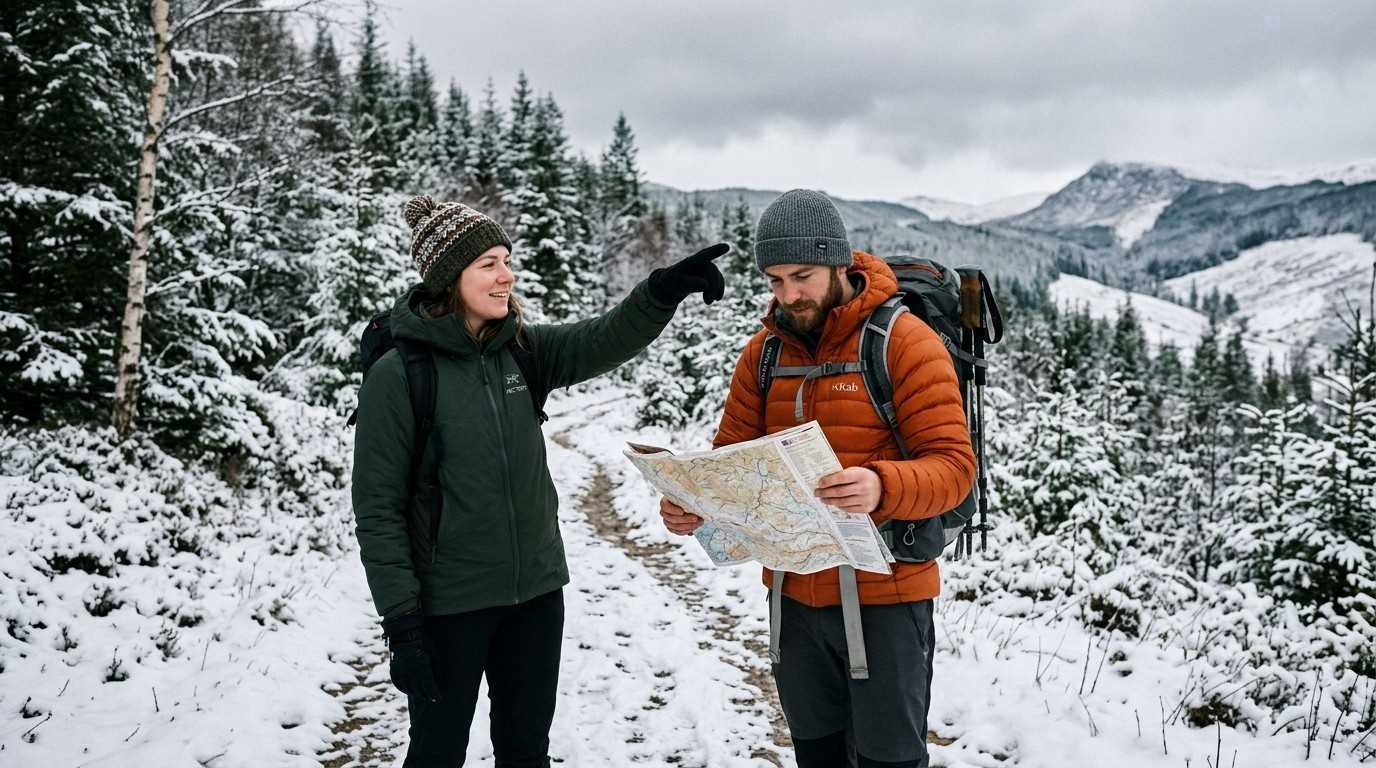
The objective isn’t to test yourself under extreme conditions. It’s to practice applying your existing decision-making framework in an unfamiliar environment until it feels as natural as using it at work.
Stage 3 — Build Systems, Not Just Skills (Ongoing)
The most durable form of mental resilience is structural: you don’t have to be calm in the moment if your systems ensure that the most dangerous decisions were already made before you left the trailhead. Clear communication protocols with your group. A defined turnaround time you hold to regardless of progress. A standard gear check that becomes automatic.
This is where wilderness preparedness and professional operations genuinely converge. The best-run field operations in the NWT aren’t managed by fearless people — they’re managed by people whose preparation means fear rarely becomes a factor.
| Ready to build your field systems? WildSurvival101.com is built around one idea: that practical, structured wilderness preparedness is within reach for any professional willing to apply the same thinking they use at work. Explore the Field Journal for frameworks, protocols, and real-world insights from a decade of emergency response and survival situations in Canada’s Northwest Territories. |
| Editorial: Brand Voice Checklist (remove before publishing) ✓ Builds confidence, not fear — every section ends on a competence note ✓ Named proprietary framework — STOP Protocol introduced and defined ✓ Two specific NWT field incidents — Mackenzie Delta (Feb, -41°C) and Nahanni (Oct, -22°C) ✓ Ian’s EMR credential woven in naturally (not listed as résumé) ✓ Corporate bridge present throughout — professional skills framed as field-ready ✓ Certainty-focused language used — systematic, protocol, framework, structured ✓ Fear-based language avoided — no ‘deadly’, ‘you won’t survive’, ‘most people fail’ ✓ Scannable structure — bold headers, short paragraphs, framework table ✓ Clear actionable CTA — WildSurvival101.com as next step, confidence-triggered |