
“To my mind, voyaging through wildernesses, be they full of woods or waves, is essential to the growth and maturity of the human spirit. It is in the wilderness that you really learn who you are.” These profound words from Steven Callahan were earned through his incredible 76-day survival at sea after his sailboat, Napoleon Solo, sank in 1982. Drifting in a five-and-a-half-foot inflatable raft, Callahan kept himself alive by mastering survival fishing techniques, using a makeshift spear and collecting rainwater. His ordeal began 800 miles west of the Canary Islands and ended when he reached the Caribbean, having drifted 1,800 miles. He survived purely on his catch of triggerfish, dorado, and flying fish, teaching himself to spearfish in the open ocean with handmade tools.
A Record-Breaking Survival at Sea
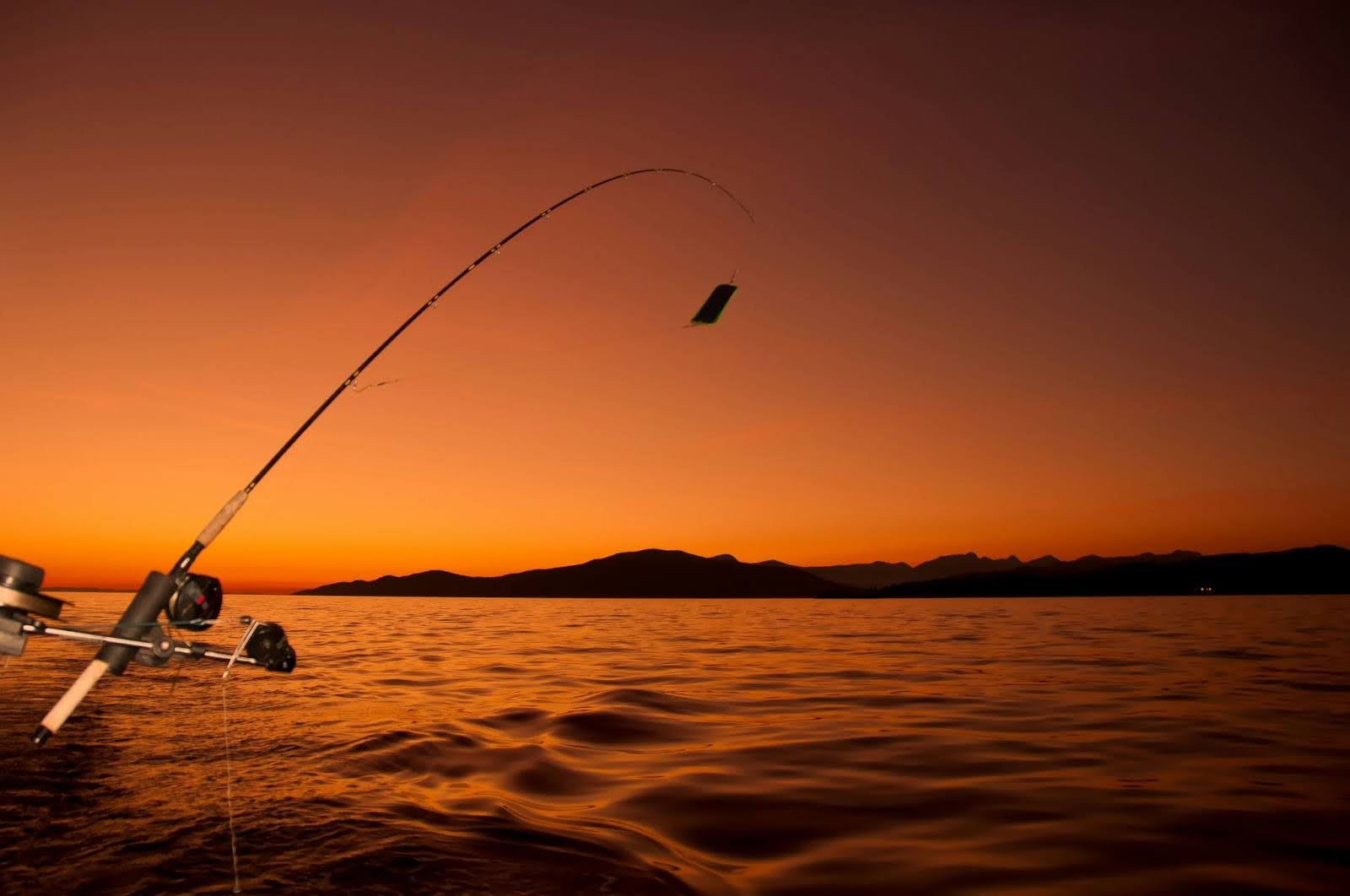
Another extraordinary tale comes from Poon Lim, who holds the record for the longest survival alone at sea. In 1942, during World War II, his British merchant ship was torpedoed by a German U-boat in the South Atlantic. For 133 days, Lim survived alone on a wooden raft. He crafted fishing hooks from wire, made lines from rope edges, and used nails from his raft as weights. When sharks followed his catches, he learned to pull fish in quickly and even caught birds using fish as bait. His resourcefulness and mastery of improvised fishing techniques kept him alive until his rescue off the coast of Brazil, making his story a masterclass in survival fishing.
Handmade Fishing Treasures: Forgotten Wilderness Skills
The Call of the Wild
Catching your own food triggers something ancient within us. This isn’t weekend fishing with coolers and fancy rods; survival fishing strips away comfort, leaving you with raw needs and basic tools. You’re not casting lines for entertainment—you’re doing it to eat.
Personal Transformation Through Necessity
This realization struck me during a wilderness camping trip when the silence of the woods felt heavy and threatening. As my food supplies dwindled, each cast of my makeshift line became a matter of necessity. Fishing transformed from a casual hobby into pure survival—connecting me directly to our ancestors who lived this way daily.
Northern Waters: Life Lessons from the NWT
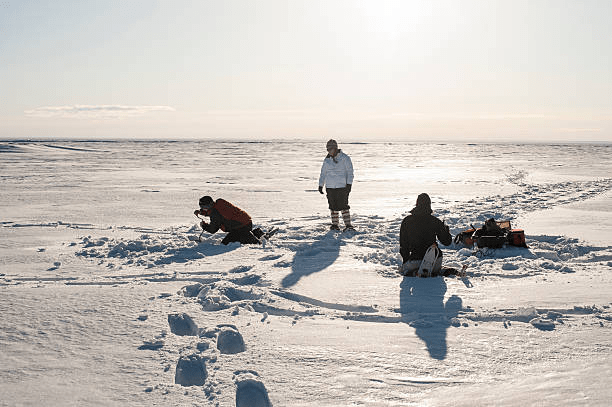
My deepest understanding of survival fishing comes from the Northwest Territories, where I live in Inuvik. Here, fishing isn’t just a survival skill – it’s woven into the fabric of daily life. The Great Slave Lake, North America’s deepest lake, and Great Bear Lake , the world’s 8th largest lake, serves as both provider and teacher, offering lessons that no textbook could capture.
The Living Legacy of Northern Waters
The waters of the Northwest Territories hold more than just fish – they hold stories, traditions, and a way of life that has sustained communities for generations. From the commercial fishing boats dotting Great Slave Lake to the traditional fishing camps along the Mackenzie River, each fishing spot tells a story of human perseverance and adaptation.
While living in the Northwest Territories, I’ve witnessed firsthand how traditional knowledge merges with modern techniques. While GPS units and sonar technology now complement age-old wisdom, the fundamental skills of survival fishing remain unchanged. The ability to read water patterns, craft tools from available materials, and understand fish behavior continues to be as relevant today as it was centuries ago.
Understanding Water’s Language
Survival fishing taught me to observe nature’s subtle messages. Here are some patterns that led to successful catches:
Morning Mist: Patterns over quiet waters signal prime fishing time.
Surface Ripples: Indications of fish movement below hint at feeding spots.
True Fishing Spots vs. Misleading Shadows: Learning to differentiate teaches patience.
Water Clarity Changes: Variations throughout the day affect success rates.
Fish Behavior Shifts: These change with temperature fluctuations.
Natural Feeding Zones: Often found near fallen trees or rock formations.
Current Patterns: These create resting spots for fish.
Seasonal Changes: Water levels impact fishing locations.
In freshwater environments, one can learn to track trout hiding under cut banks and bass lurking near submerged logs. Along coastlines, snapper and grouper revealed themselves through subtle movements near reef structures. Each environment taught unique lessons about timing and technique.
Creating Tools from Nothing
Building From Limited Resources
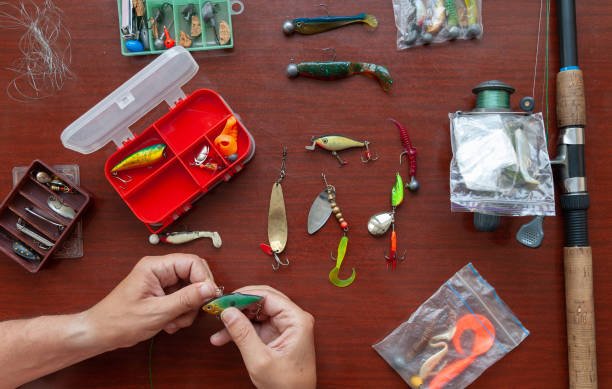
One of the best survival fishing lessons comes from working with limited resources. Armed with just an old plastic bottle and strong hunger pangs, one can build a fish trap. Cut and reshaped that discarded item into a one-way entrance—simple but effective—allowing fish to swim in but making it difficult for them to escape.
The Art of Improvisation
Tool creation became an art form:
Flexible Pole Spears: Crafted from saplings.
Fishing Line: Woven from grass or plant fibers.
Hooks: Carved from bone or wood.
Stone Wetlands: Built in shallow streams to guide fish.
Nets: Made from stripped bark fibers or old clothing.
Floats: Fashioned from dried gourds.
Sinkers: Created using small stones.
Mixing Still and Active Methods
Success in survival fishing means knowing when to wait and when to actively pursue your catch. Both still and active methods have their place:
Still Methods: Natural Traps
Branch Lines: Hanging baited hooks from branches. Checking these lines often yielded breakfast by placing them near underwater structures where fish gather naturally.
Multi-Hook Lines: Setting up lines across rivers requires effort but pays off significantly; finding three fish at once felt like striking gold! The key lies in proper spacing and depth placement.
Fish Funnels: Building traps from natural materials taught me ancient wisdom passed down through generations. Each catch felt like receiving knowledge as stone walls guided fish into narrow channels for easier capture.
Basket Traps: Woven from flexible branches, these traditional traps worked effectively overnight when placed strategically during evening hours.
Active Methods: Direct Pursuit
Spear Fishing: Using sharpened sticks in shallow waters awakened instincts long dormant within me. My breath steadied as focus sharpened; natural hunting skills emerged through practice as I learned to account for water refraction—objects underwater aren’t quite where they appear.
Hand Catching: My first attempt at grabbing burbot (often called “lingcod” locally) by hand made my heart pound so hard I thought the fish would sense it! That first successful grab brought pure joy; this technique requires feeling along underwater rocks where burbot hide during their winter spawning season.
Net Making: Crafting nets is a mastery that comes through practice rather than waiting for luck; starting with simple designs leads one to create more complex patterns that catch fish more effectively over time.
Meeting Nature’s Tests
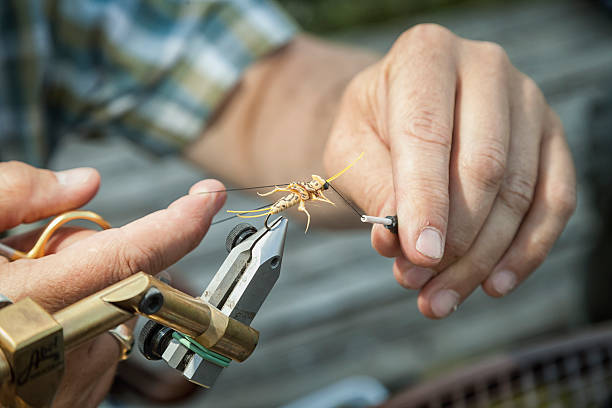
Not every fishing attempt ends with food; there are plenty of challenges:
- Numb legs from standing in cold water for hours.
- Fish sometimes ignored all attempts at capture.
- Learning to identify unsafe or polluted waters became crucial through visual cues.
- Staying vigilant against predators near fishing spots was necessary for safety.
- Fighting exhaustion during long fishing sessions tested my limits.
- Dealing with equipment failures miles away from civilization demanded quick thinking.
- Adapting to sudden weather changes was essential for continued success.
- Managing injuries while maintaining focus became part of the learning curve.
These struggles instilled endurance, patience, and awareness within me. Each failure became a stepping stone toward better techniques and stronger determination.
Mind and Body Growth
Survival fishing transformed my physical capabilities as well as my mental resilience. Time spent by the water morphed into meditation in motion; walking to remote spots while working against currents built strength in the legs.
The physical demands shaped both body and mind through:
- Building core strength while balancing in moving water.
- Developing arm strength through repetitive motions.
- Improving flexibility by reaching into tight spots along riverbanks.
- Increasing lung capacity through underwater observation techniques.
- Sharpening focus through extended periods of concentration while waiting patiently for bites.
This practice fostered patience that extended beyond fishing into everyday life; when survival hinges on catching food, quitting early is not an option.
Sharing Knowledge
Sharing fishing tips with other beginners revealed new perspectives while reminding me of my own early struggles with uncertainty. As I watched their doubt transform into joy after their first successful catch, I discovered the value of breaking down complex skills into manageable steps, discussing techniques appropriate for different ability levels, and openly sharing my past mistakes.
This approach made learning accessible, prevented overwhelm, and built confidence among those initially fearful of failure—creating a supportive environment where each person could connect with these ancient survival skills in their own way.
I emphasized one main point: Mastery isn’t the goal—survival is paramount! Each person I met brought unique ideas to traditional techniques, illustrating how survival skills continue evolving over time.
The Importance of Sustainable Practices in Survival Fishing
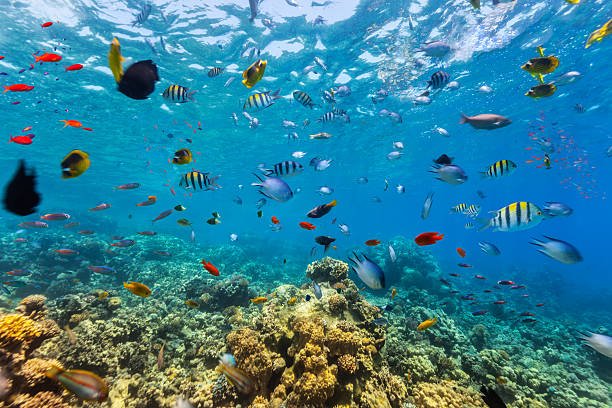
In addition to mastering techniques that ensure immediate survival, understanding sustainable practices is crucial for long-term success in survival fishing. Overfishing can lead not only to personal food scarcity but also disrupt local ecosystems vital for future generations’ sustenance.
Here are key principles:
Catch Limits: Always adhere to personal limits based on what you need versus what you can take without depleting resources unnecessarily.
Selective Harvesting: Focus on species that are abundant rather than targeting endangered or vulnerable populations to ensure biodiversity remains intact.
Habitat Preservation: Be mindful of surrounding habitats when fishing; avoid damaging vegetation or nesting sites that support aquatic life cycles.
Respect Local Regulations: Familiarize yourself with local laws regarding size limits, seasonal restrictions, or protected areas which exist to maintain ecological balance.
Educate Others: Share knowledge about sustainable practices among fellow anglers or students; fostering awareness creates community responsibility towards preserving natural resources.
By integrating sustainability into our approach toward survival fishing, we not only secure our immediate needs but also contribute positively toward preserving ecosystems essential for future generations’ well-being.
What Water Taught Me
My time on the water unveiled profound truths about human potential; now, when I pass streams or lakes, I see more than just water—I see evidence that survival relies on knowledge combined with determination! The lessons run deep: adaptation consistently proves more valuable than preparation, teaching me the critical importance of flexibility; patience yields remarkable results when given proper time; nature generously rewards those who develop careful observation skills; and simple solutions frequently outperform complex ones, reminding me not to overthink challenges.
This journey illuminated that survival skills transcend mere existence—they connect us deeply with nature while revealing our inherent capabilities! Every fish caught using handmade tools serves as a reminder that ancient wisdom resides within us all, just waiting for opportunities like these moments spent outdoors together!
Sharing fishing tips with other beginners revealed new perspectives while reminding me of my own early struggles with uncertainty. As I watched their doubt transform into joy after their first successful catch, I discovered the value of breaking down complex skills into manageable steps, discussing techniques appropriate for different ability levels, and openly sharing my past mistakes. This approach made learning accessible, prevented overwhelm, and built confidence among those initially fearful of failure—creating a supportive environment where each person could connect with these ancient survival skills in their own way.
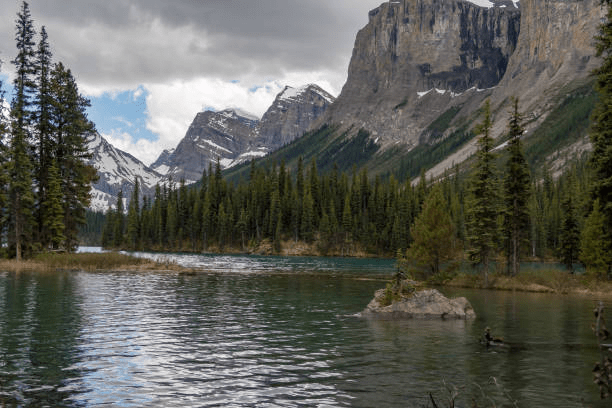
Reflections from the Water
Survival fishing strips away barriers between modern humans and our ancient roots. Through countless hours by rivers, lakes, and coastal waters, I’ve discovered this skill brings much more than sustenance—it awakens primal instincts long dormant within us, pushing beyond comfortable limitations into spaces where innovation meets necessity! Each time I create traps or catch fish using minimal tools, I feel an unbreakable bond connecting generations past who relied on similar skills daily!
My experiences with fishing have reshaped my understanding of human capability! Everyone I shared skills with started with doubt but discovered their own strength through practice—this art strips away artificial boundaries, revealing incredible adaptability hidden within us all! Standing in streams, feeling the water pulse, knowing we can feed ourselves using only knowledge and determination—that’s transformative power, changing everything about how we live today!
These lessons extend far beyond just fishing—they remind us we carry strength and wisdom passed down through generations, ready to surface whenever needed most!