
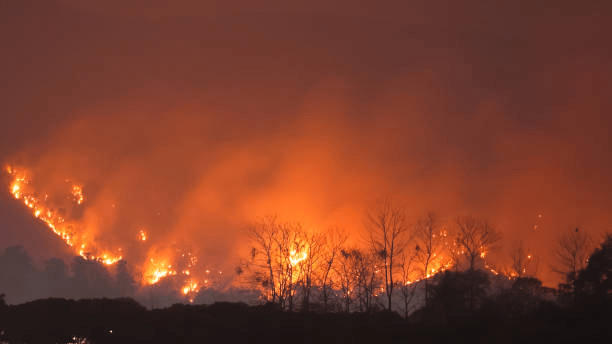
I wasn’t around for the big wildfire evacuation that hit our area in the Northwest Territories. But the stories I’ve heard since moving here… they’ll make you think twice about emergency planning.
Everyone talks about how fast it happened. Some folks had just 45 minutes to grab their stuff and get out. The fire jumped containment lines when the wind shifted, and suddenly evacuation orders were blaring through the community. People who thought they were ready realized too late they weren’t.
What really stuck with me from all these conversations was how important having a bug-out bag ready to go was. The people who had one? They got out quick, had what they needed, and dealt with way less stress. The others were scrambling, forgetting important stuff, and some even put themselves in danger by taking too long.
So I put together what I’ve learned about bug-out bags specifically for wildfire evacuations. Nothing theoretical – just practical stuff from people who’ve actually been through it.

The Bug-Out Bag Philosophy for Wildfire Preparedness
Before we get into the details, let’s chat about how to think about emergency prep. You’ll hear folks call them “go-bags,” “bug-out bags,” or “grab-and-run kits” – honestly, the name doesn’t matter. What counts is having your stuff ready to go before smoke appears on the horizon.
Emergency management experts recommend a “core-plus” approach to bug-out bag preparation. Rather than creating separate emergency kits for different disaster scenarios, maintaining one primary bag year-round, supplemented with seasonal and disaster-specific items based on current threats, is more practical.
The standard advice to prepare for 72 hours of self-sufficiency is a starting point, but wildfire evacuations often last much longer. During major wildfire evacuations, residents can be displaced for five weeks or more. And don’t forget to update your bug-out bag based on your current situation – what you needed last year might not be what you need now.
A truly comprehensive bug-out bag should support the initial evacuation while providing essentials needed to restart life if a home is lost. For those in wildfire-prone regions, preparation should happen well before any threat appears. When smoke is visible on the horizon, it’s already too late. Emergency preparedness must be approached as an ongoing practice rather than a reaction to immediate danger.

The Harsh Reality of Evacuations
Wildfire evacuations are unlike any other emergency scenario. Most disasters provide some warning – floods typically develop over days, winter storms appear on forecasts well in advance. But wildfires can change direction in minutes when winds shift. I’ve seen a community just 40 kilometers from mine completely destroyed because a wildfire unexpectedly changed course, giving residents barely enough time to flee.
Comparing Wildfire to Other Disasters
Aside from the wildfire, I also remember the river breakup quite clearly from three years ago now. I could see the river rising and rising. It was obvious that we were going to have some kind of issue. We had a bit more notice with that than with a wildfire. However, even though we saw the water coming, we didn’t know that the river was going to burst its banks in certain places and end up flooding parts of the town.
The river breakup was less frightening than a wildfire because flooding is more predictable – you can see water advancing and anticipate its path. While basement flooding and drowning risks remained serious threats, the visible nature of water made it easier to assess danger compared to the unpredictable wall of flame across the river during a wildfire.

The Psychological Reality of Evacuations
When evacuation orders come, rational decision-making often disappears. People grab random items, forget essentials, and waste precious time making choices that should have been made weeks or months earlier.
Nobody talks about how messed up your brain gets when you’re running from a fire. All that planning and packing doesn’t mean squat if you panic and freeze up. Some people lose their minds when the evacuation order hits. Your heart races, you can’t think straight, and suddenly you’re standing in your living room not knowing what to grab first.
Psychological preparation includes:
- Making peace with the possibility of losing material possessions
- Discussing evacuation scenarios with family members, including children
- Pre-deciding which items are truly irreplaceable versus what can be left behind
- Developing healthy coping mechanisms for managing evacuation stress
- Building mental flexibility to adapt when plans inevitably change
The real payoff from good fire prep? Peace of mind. When you know you’ve done the work, you can actually think straight when the shit hits the fan.

Essential Components of a Wildfire Bug-Out Bag
Based on my experience as an outdoor adventurer, research, and stories from locals in the community, I’ve identified the critical components for an effective wildfire bug-out bag:
Water and Hydration
Water becomes incredibly important during wildfire evacuations. You’ll want to keep a water bladder in your emergency bag – around 3 liters is practical without making the bag too heavy. Don’t forget purification tablets and maybe one of those filter straws that let you drink from almost any water source if you get desperate.
Food Supplies
Emergency food should be grab-and-go simple. I pack jerky and energy bars because they last forever and fill you up when you’re too stressed to eat much. Those fancy freeze-dried meals work too, but good luck finding hot water during an evacuation.
If you’ve got dietary issues, bring your own stuff – most shelters serve whatever’s easiest to make for crowds, not special diets. And don’t laugh, but throw in your favorite candy bar or chips. When you’re sleeping on a cot in a gymnasium for the third night, that familiar taste of home hits differently. For more options, see my article “10 Best Emergency Foods for Your Bug Out Bag—Top Survival Picks.”.

Medications and First Aid
Medical supplies need special thought. A basic first aid kit is just the starting point. Prescription meds are the real concern. A pharmacist recommends keeping a separate container with about a week’s worth of any medications you take regularly.
Check and update it every month so nothing expires. Smart tip: take photos of your prescription labels and save them to your phone, or keep a paper list with dosages and your doctor’s contact info. This makes getting refills much easier if you end up displaced for weeks.
Respiratory Protection
Perhaps the most wildfire-specific element of bug-out preparedness is respiratory protection. The smoke from wildfires carries microscopic particles that can inflame your lungs and airways on contact. These invisible particles bypass your body’s natural defenses, potentially causing both immediate breathing problems and lasting respiratory damage.
Include N95 masks or P100 respirators for smoke protection, sealed goggles for eye safety, and a portable air quality monitor to check when it’s safe to be outdoors.

Documentation Package
During a wildfire evacuation, access to critical documents can make the difference between a manageable displacement and a bureaucratic nightmare. My documentation package includes:
- Identification (driver’s license, passport, birth certificate copies)
- Insurance policies (especially home insurance with policy numbers and contact information)
- Property records (deed/mortgage documents, rental agreements)
- Financial information (bank account details, credit card information)
- Medical records (health insurance, immunization records, medical history)
- Contact list (family, insurance agents, medical providers, employers)
- Home inventory with photos of valuable possessions (helpful for insurance claims)
I maintain this information in three formats: secure cloud storage, an encrypted USB drive, and waterproof physical copies of the most essential documents. Some folks in our area got evacuated by planes and didn’t have the chance to bring those important documents with them. This redundancy ensures I can access critical information regardless of circumstances.
Communication Tools
Throw one of those hand-crank radios in your emergency kit – they look clunky but they’ll work when your fancy gadgets won’t. No batteries to die, no charging needed – just a minute of cranking and you’ve got NOAA alerts coming through. When cell towers get jammed or power’s out during a wildfire, you’ll be glad to have a way to hear those emergency broadcasts and evacuation updates.

Clothing and Personal Items
It’s important to have some extra clothes in my bag – cotton stuff since it won’t melt like polyester if things get hot. Threw in my work boots too, not those flimsy sandals. Don’t forget a hat for when you’re standing in evacuation lines under the sun all day. And always pack a bandana – wet it down and it’ll help you breathe when the smoke gets bad.
Basic bathroom stuff is essential – eco-friendly toothbrush, paste, soap that won’t trash the environment if you’re washing in a stream, hand sanitizer (which honestly saved me during COVID anyway), sunscreen since you’ll be outside a lot, and ladies, pack your period supplies because disaster timing never cooperates. Oh, and grab a few small things that matter to you – maybe printed photos or something special. Might seem silly when you’re rushing, but when you’re stuck in some high school gym for days, having something familiar really helps your head.
Cash and Financial Resources
Keep cash on you when everything goes sideways! The power goes out, ATMs stop working, and suddenly everyone is scrambling for dollars. I stick about 200 bucks in my emergency bag – small bills, not twenties, because nobody can make change during a disaster. Keep it in something waterproof – learned that one the hard way. And here’s a trick: get a credit card just for emergencies and don’t touch it. Hide it somewhere in your bag where you won’t be tempted to grab it for pizza night. When you’re trying to get a hotel room after evacuating and the card machines are down, you’ll thank yourself.

Get Your Vehicle Ready for Evacuation
Don’t forget about your car! People always talk about what to pack, but nobody thinks about how they’re getting out. During major evacuations, gas stations become overwhelmed with vehicles waiting to fuel up. Long lines of cars form as residents prepare to leave, creating significant delays while the threat continues to approach.
Keep your vehicle’s tank full of fuel at all times. Sounds paranoid until you realize you might need to drive 300 miles with no working gas stations. Our town only has two roads out, and if one gets cut off by fire, everyone’s funneling through one exit. Trust me, you don’t want to be stuck in that traffic jam with your gas light on..
I keep extra stuff in my car too – more water, some old blankets, a fire extinguisher I got on sale, and this little folding shovel. And grab a real paper map! Mark all the backroads and alternate routes. Your fancy GPS won’t help when cell towers are down and you’re trying to figure out which forest service road might get you to the highway.
Special Considerations for Vulnerable Populations
Don’t forget about folks who need extra help! Your older neighbors with oxygen tanks or electric medical stuff – they’re gonna need backup plans. And someone checking on them too.

If you’ve got older relatives, make sure they pack extra meds – like a week’s worth at least. Write down their medical stuff in simple terms because stress makes everyone forgetful. And throw in something familiar from home because evacuation centers can be overwhelming and confusing.
For folks with kids? Bring all the baby stuff – diapers, formula, whatever. But don’t forget to grab their special toy or blanket! Kids totally lose it without their favorite things, especially when everything else is chaos. Trust me, the last thing you need during an evacuation is a hysterical toddler because you left Mr. Bunny behind.
And pets – don’t assume shelters will take them! Most don’t. Call around now to find pet-friendly hotels or shelters outside the danger zone. Put together a separate pet bag with food, bowls, meds, leashes. Take some pictures of you with your pets on your phone. Sounds weird, but if you get separated, you’ll need to prove that the scruffy dog is actually yours when trying to find him later.
Community Connectivity During Wildfire Evacuations
You can’t just look out for yourself. This whole neighborhood thing really matters when fires hit. In our area, we started this basic buddy system – you check on your neighbors, they check on you. Make sure nobody gets left behind, especially folks who might need help getting out.
Figure out how your town does emergency alerts BEFORE there’s smoke on the horizon. Every place does it differently – some use sirens, others do text messages or have these special radio frequencies. And know your escape routes! Don’t wait until you’re choking on smoke to figure out which way to drive.
Familiarizing yourself with these systems during calm periods prevents confusion during actual emergencies.

Maintaining Your Bug-Out Bag for Wildfire Season
Getting your stuff ready ain’t a one-and-done deal. You gotta check on that emergency bag every so often, especially when fire season rolls around. I conduct quarterly reviews of my emergency supplies, with particular attention before wildfire season begins.
Go through your bag every few months or you’ll end up with nasty surprises. Food goes bad, batteries die, and that raincoat you packed won’t help much in winter. And don’t forget to swap out those meds before they expire! Once a year, dump everything out on the floor and really look at what you’ve got – half of it probably needs replacing or just doesn’t make sense anymore.
Regular evacuation practice is an important part of preparation maintenance. Emergency management experts recommend timing how quickly you can gather supplies and evacuate your home. These rehearsals can reveal practical challenges that might not be apparent through planning alone, allowing for process improvements before an actual emergency occurs.
Lessons From Real Wildfire Evacuations

Based on reports from wildfire evacuees, a common issue is that initial emergency bags tend to be excessively heavy for practical use during evacuations. Community members who have gone through these emergencies often mention the importance of managing the weight of emergency supplies and removing unnecessary items to ensure mobility when time is critical..
Another hard-learned lesson involved communication planning. During one particularly chaotic evacuation, family members evacuated separately and spent terrifying hours unable to contact each other due to overwhelmed cell networks. We now have predetermined meeting locations and communication protocols established in advance.
Perhaps the most important lesson came from witnessing the different outcomes between prepared and unprepared households. Those with ready bug-out bags evacuated quickly, arrived at shelters with necessary supplies, and managed the displacement period with relative stability. Those who hadn’t prepared faced cascading difficulties from the moment evacuation orders arrived through the entire recovery process.
Beyond the Evacuation: Long-term Recovery Planning
A truly comprehensive bug-out bag supports not just immediate evacuation but the recovery process that follows. Understanding insurance coverage before disaster strikes prevents unpleasant surprises during recovery. I review my policy annually, particularly focusing on wildfire-specific coverage, temporary living expense provisions, and replacement value versus actual cash value terms. This detailed knowledge helps navigate the claims process more effectively if the worst occurs.

Prepared, Not Scared
I’m not trying to scare anyone by talking about wildfire preparation. After what happened in my community, I understand the importance now.
There’s no one-size-fits-all for emergency bags. Mine has extra asthma inhalers. My neighbor across the street needs her diabetes supplies. You gotta think about what YOU actually need when leaving home fast.
The greatest value isn’t just in having supplies ready—it’s the mental clarity that comes from being prepared. When I hear reports of a nearby fire now, I don’t freeze up. I know my evacuation plan and exactly what to bring.
Fires are gonna happen whether we like it or not. Being ready ahead of time? That’s the only part we control.Don’t wait—start your preparations this weekend. Grab a backpack and begin gathering essentials. Check local emergency resources, speak with neighbors who’ve experienced evacuations, or visit your fire station for guidance. From my experience seeing the consequences of unpreparedness: the time to get ready is before you see smoke on the horizon.
