
Mother’s Day has never been a big deal in this household. While the holiday is celebrated enthusiastically across North America, our family barely observed it growing up. This year, a plan emerged to mark Mother’s Day with an outdoor excursion – what better way to honor maternal figures than by engaging with Mother Nature herself? But between filming schedules and wilderness survival workshops, these intentions never materialized.
Yet as Mother’s Day approaches, I’ve been thinking about what “motherhood” really means in survival contexts. Not the Hallmark card version, but the raw, practical wisdom that gets passed down – sometimes intentionally, often unconsciously – from one generation to the next. This primal mother instinct, the deep-seated knowledge of how to protect and nurture, forms the foundation of many survival skills.
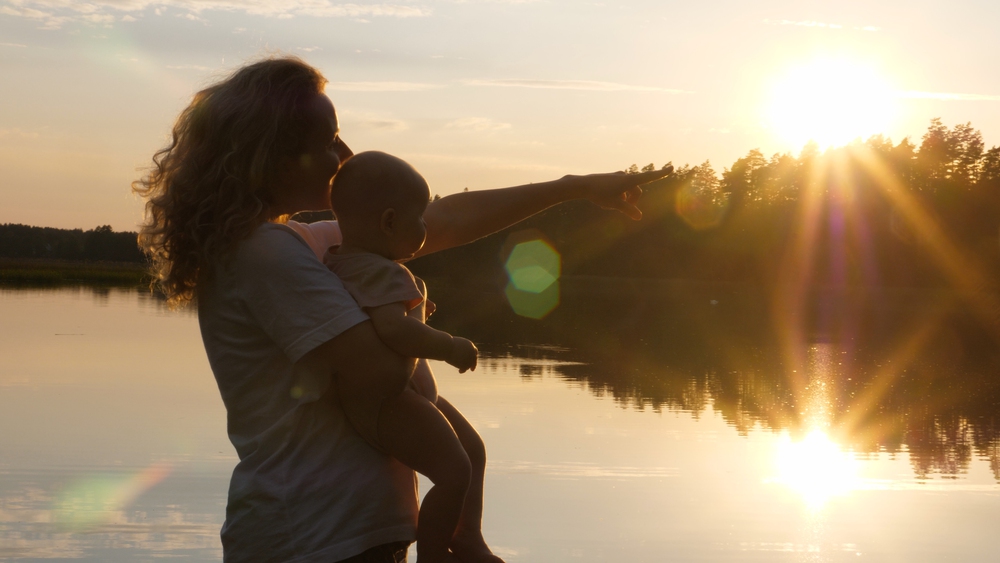
When Nature Becomes Your Toughest Teacher
Forget greeting cards and brunches. For those of us who spend our lives in the wilderness, Mother’s Day might better honor the most demanding maternal figure of all – Mother Nature herself. Our relationship is built on genuine respect – the kind earned through hard experience rather than sentimental attachment. She tests without warning and doesn’t give a damn about your feelings or your carefully laid plans. The natural world rewards only those who show up prepared and humble.
This philosophy shapes everything I do outdoors. Take last month’s unexpected blizzard during what was supposed to be a routine camping trip. Because I’d studied weather patterns before leaving, packed emergency cold-weather survival gear despite the forecast, and practiced snow shelter construction in milder conditions… what could have been a disaster became merely an uncomfortable night. That’s the essence of respecting Mother Nature: anticipating her challenges before they arrive.
Mother’s Day Wisdom: Emergency Preparedness Begins with Basics
When people ask what survival skills my mother taught me, I have to disappoint them. She passed away back in 1978 – so long ago that my memories are more like faded photographs than vivid lessons. What did stick? Basic health fundamentals: the importance of good sleep, maintaining a decent diet, and regular exercise. Simple stuff, really. No wilderness survival tricks or disaster preparedness plans.
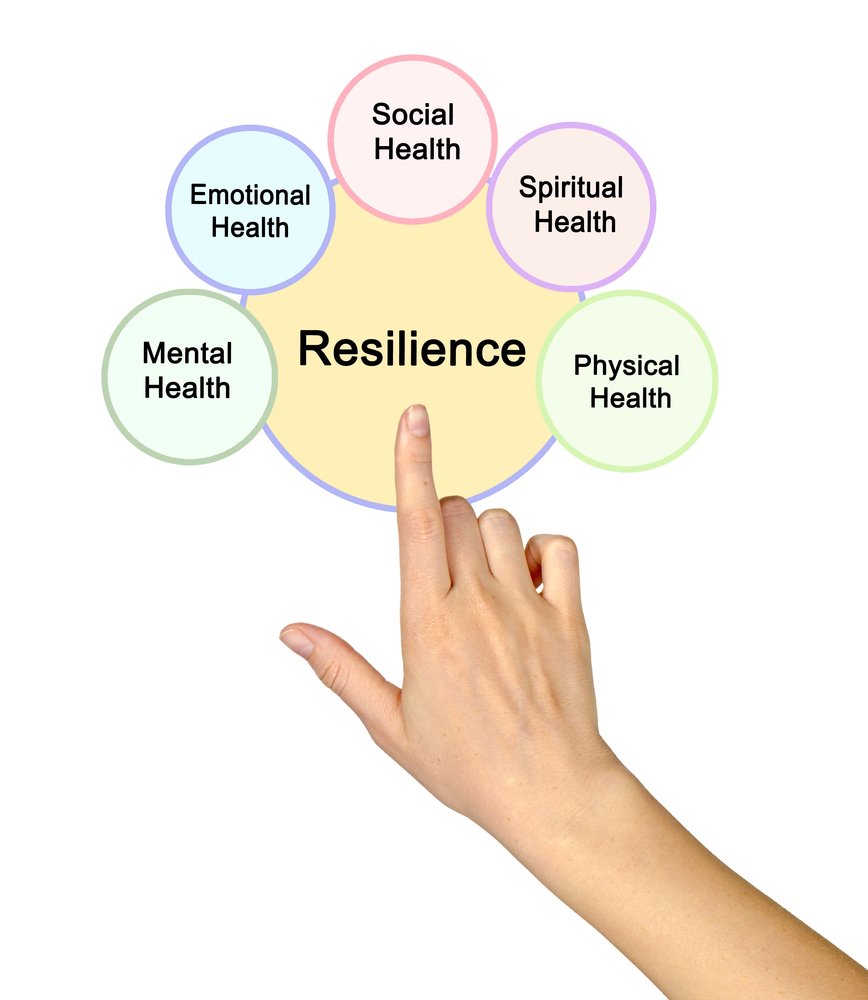
But here’s the thing: those mundane lessons became foundational. In survival situations, physical and mental resilience matters more than any gear. Your body is your primary tool. Being well-rested means sharper decision-making when it counts. Proper nutrition builds endurance reserves. Regular exercise maintains the strength to carry heavy packs or traverse difficult terrain. My mother didn’t teach me how to build a shelter, but she taught me how to maintain the body that would one day need to.
I got an email last week asking about communities where mothers share emergency preparedness tips. Truth is, I’ve never come across any specific groups like that. The survival community I’m part of through my YouTube channel rarely discusses parenting angles. From what I’ve seen though, most prepared families do have someone who takes on the “readiness conscience” role – typically the person who handles all the essential prep work.
They’re constantly rotating food supplies before they expire, making sure family members know exactly what’s in the bug-out bags, tweaking gear to fit everyone’s needs, and turning emergency readiness into a household habit rather than some special occasion drill. This isn’t about formal communities but individuals taking responsibility for their tribe’s safety.
Real Survival Gear for Real Families
Survival gear isn’t one-size-fits-all, especially with children involved. Beyond standard first-aid supplies, here’s what works in my experience:
For Younger Kids: Comfort items like familiar toys help reduce panic in stressful situations. Include easy-open food pouches that small hands can manage, whistles with finger loops that are harder to drop, and glow sticks which are less frightening than emergency flares.
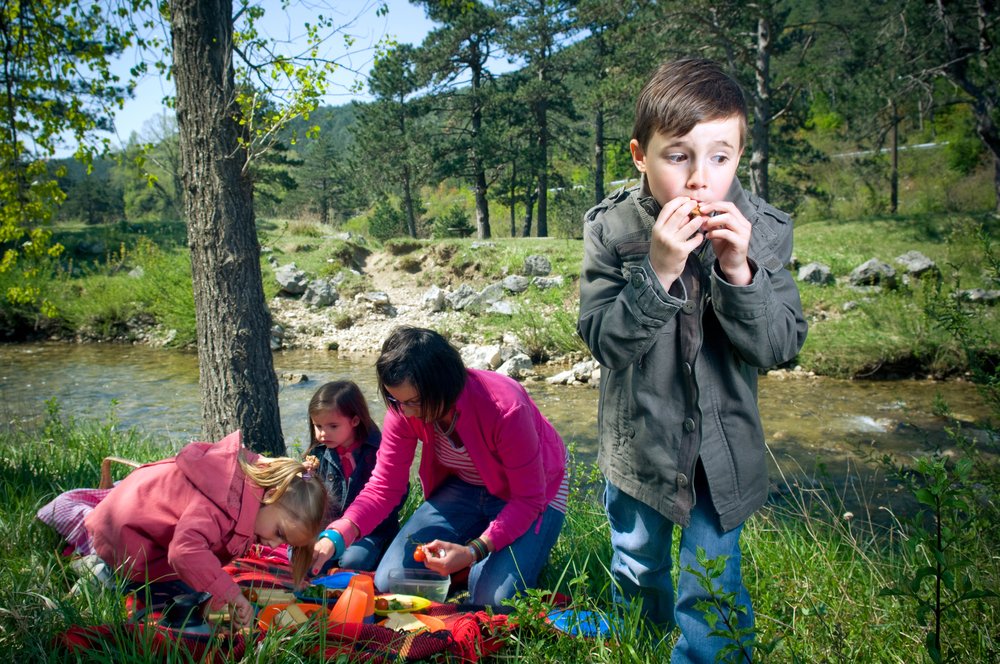
For Teens: Consider including power banks for their devices, properly trained multi-tools for practical use, an emergency cash stash, and copies of important documents they should become familiar with.
Universal Must-Haves: Always pack current medications (remember to rotate them frequently), allergy alerts (even if there are no known allergies), recent photos for identification purposes, and physical copies of local maps that don’t require batteries or signal.
Remember: the goal isn’t to frighten children with disaster fantasies, but to empower them with practical solutions for outdoor safety. A well-prepared kid becomes a confident adult with natural outdoor safety instincts.
Raising Resilient Children with Wilderness Know-How
The transmission of wilderness survival knowledge often happens naturally during family outdoor experiences. Rather than formal training sessions, the most effective lessons occur during everyday activities. Setting up camp becomes an opportunity to discuss structural integrity and site selection. Foraging hikes transform into interactive identification of edible plants. Meal preparation incorporates discussions about nutrition and food preservation. Navigation exercises include both technological and traditional wayfinding methods.
Children benefit most from learning through observation and guided participation rather than lecture-style instruction. Key wilderness survival skills that every child should develop include several important categories:
Shelter Intelligence
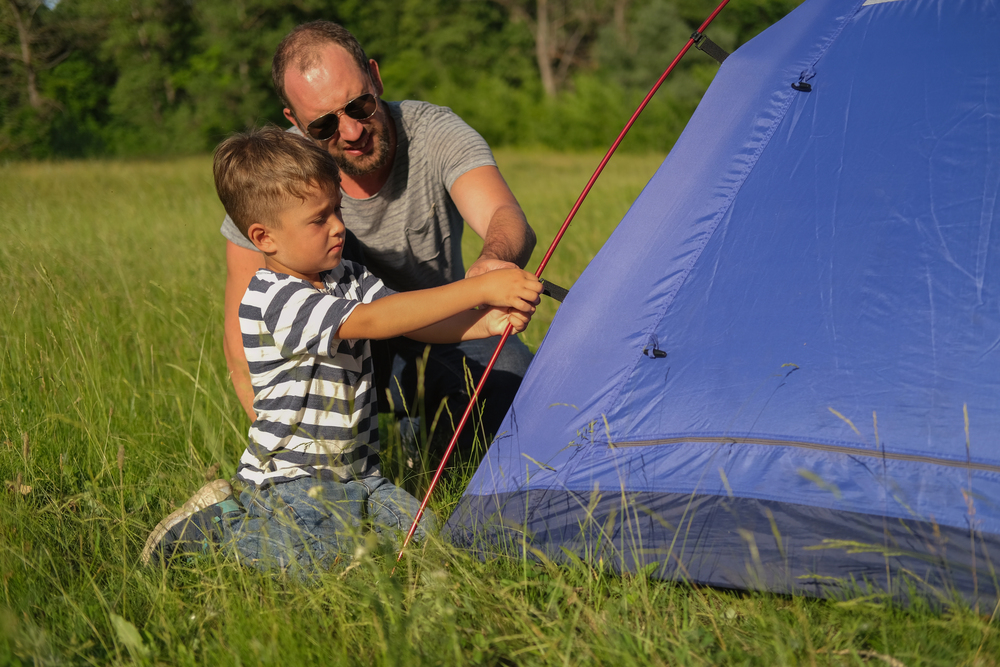
Beyond basic tent setup, children should understand ground assessment for proper drainage. Teach them to recognize hazardous overhead branches (what we call “widowmakers”) and how to position shelters strategically relative to wind patterns and natural features.
Water Wisdom
Children should move beyond simply using purification tablets to understand natural water collection techniques. Show them how to read terrain for hidden water sources and explain the limitations of visual water assessment. These skills develop a deeper understanding of this critical resource.
Fire Management
Developing comprehensive fire skills means teaching children about creating and maintaining various tinder collections appropriate for different conditions. Show them how to establish effective wind protection strategies and practice responsible extinguishing protocols that leave no trace.
Environmental Awareness
Foster children’s observational skills through basic tracking exercises in different terrains. Help them recognize natural camouflage patterns and develop sound differentiation and interpretation skills. These awareness techniques build confidence in any wilderness setting.
Turning survival lessons into games proves more effective than fear tactics. Simply challenging kids to “find five edible plants” during hikes creates engaging competitions that make learning memorable, rather than lecturing about food scarcity consequences.
Bushcraft Techniques: The Heritage of Generations
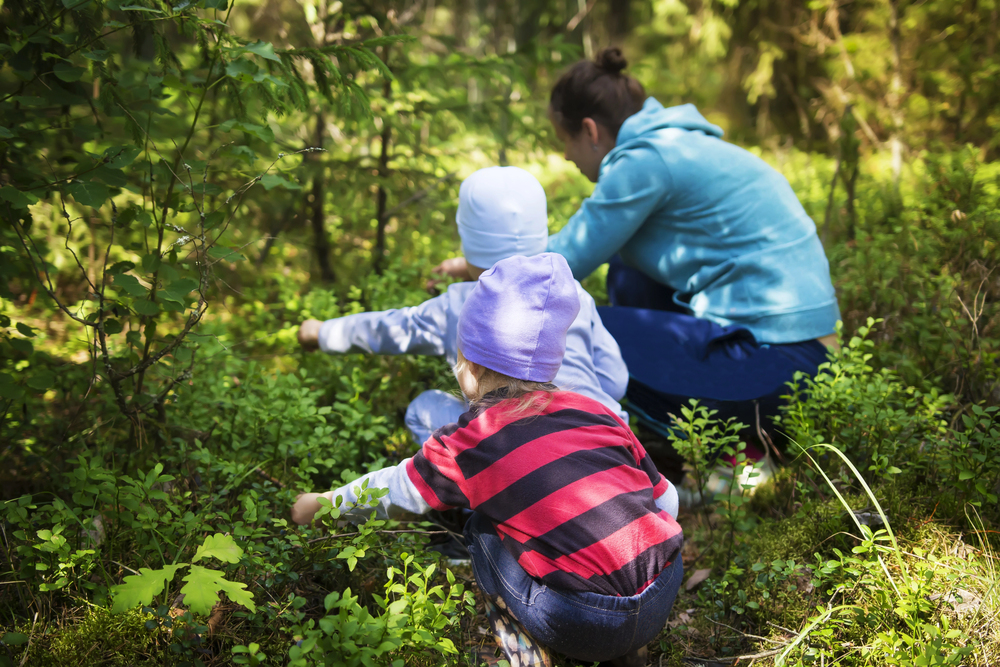
The transmission of bushcraft techniques represents one of the most valuable inheritance systems in human history. These skills – often passed from mother to child across generations – form a practical legacy. Learning to craft tools from natural materials provides resourcefulness in any situation.
Identifying medicinal plants and their applications connects us to ancient knowledge systems. Constructing natural shelters using minimal equipment, creating cordage from plant fibers, and preserving food through smoking, drying, and fermentation all represent bushcraft wisdom that has sustained humanity for millennia.
Off-Grid Living: Maternal Wisdom in Self-Sufficiency
The principles of off-grid living often reflect traditional maternal knowledge that prioritized resource conservation, waste reduction, and community resilience. Water collection and recycling systems ensure this precious resource is never wasted. Energy conservation practices teach mindfulness about consumption. Food preservation techniques connect seasons of abundance with times of scarcity. Natural cleaning solutions and sustainable waste management complete this holistic approach to self-reliance.
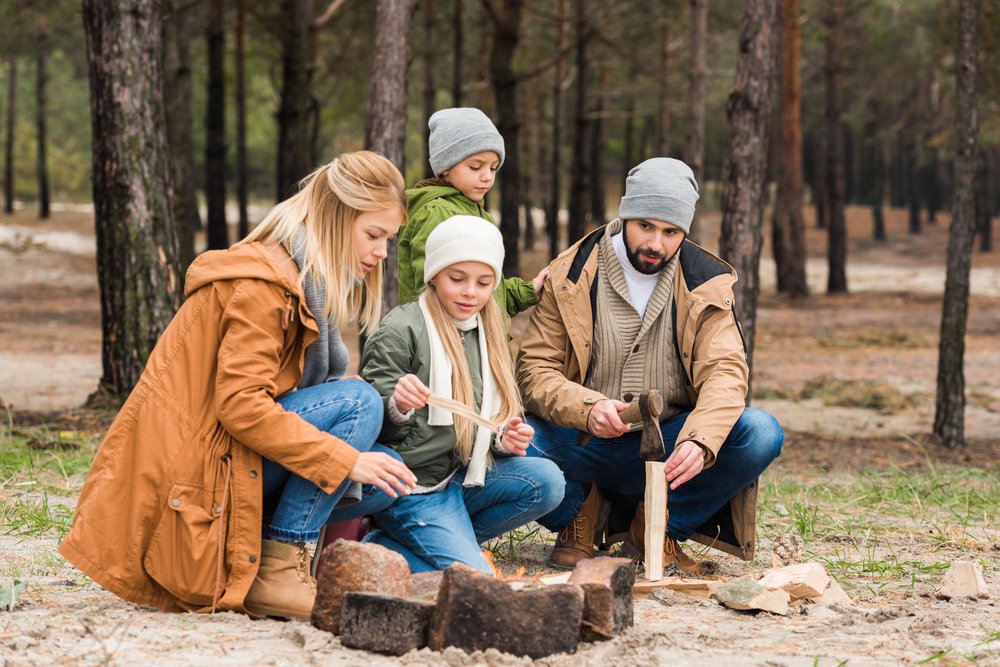
These skills represent the practical implementation of care – ensuring that basic needs can be met regardless of external circumstances. By teaching children these fundamentals, parents prepare them not just for outdoor adventures but for thoughtful resource management throughout their lives. Off-grid living isn’t just about isolation; it’s about connection to essential knowledge passed through generations.
Disaster Readiness: Communication When It Matters Most
When discussing disaster readiness with families, communication becomes as essential as physical supplies. Effective family emergency plans must include designated meeting locations, both primary and secondary, in case you can’t return home. The mother instinct to create safe gathering points during emergencies has proven valuable across countless crisis situations. Communication protocols need to be established for when normal channels fail. Regular practice drills help make emergency responses instinctive rather than panic-driven.
My Go-To Communication Gear: Beyond Cell Phones
After testing dozens of options over the years, I now recommend Long-Range Waterproof Walkie Talkies for every family’s emergency kit. Cell networks fail. Internet dies. These don’t.

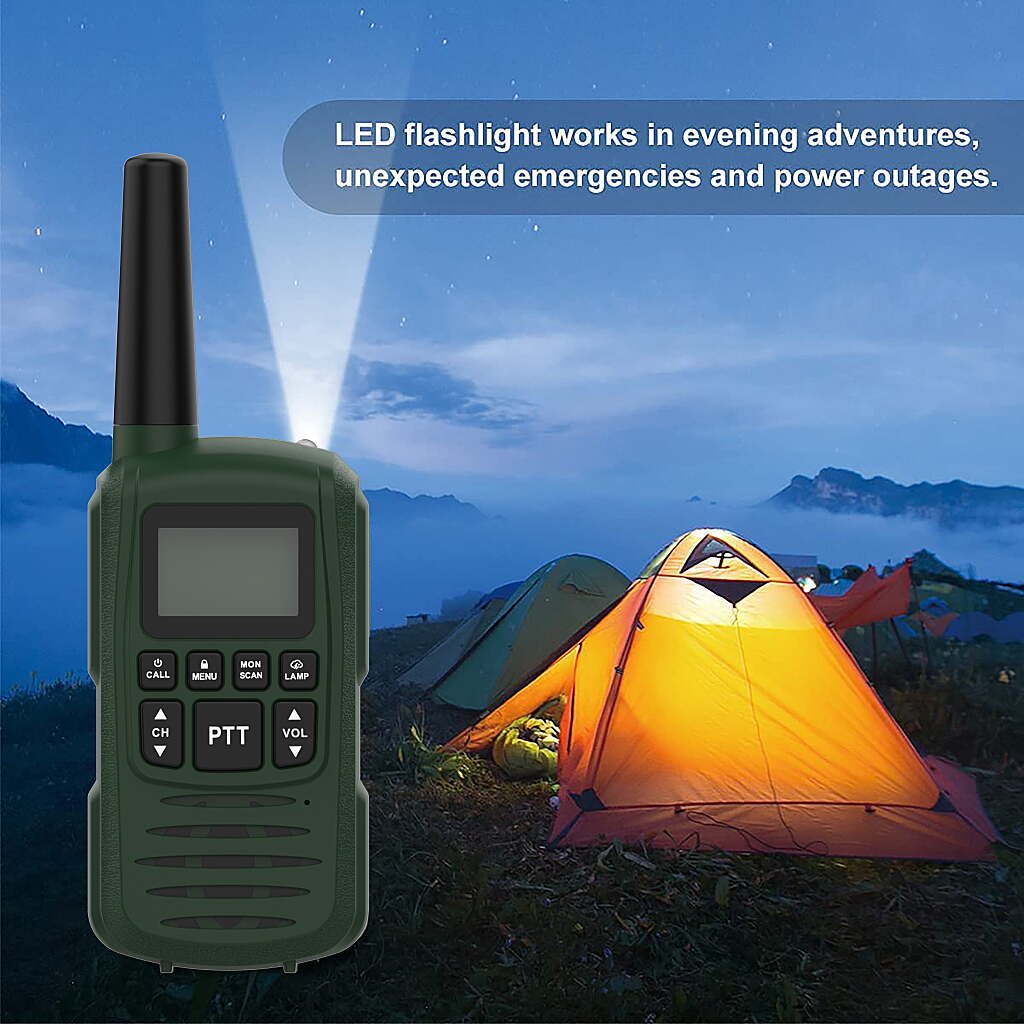
I keep these 22-channel models in my truck, cabin and bug-out bag. They’ve saved my bacon during three power outages and one flash flood evacuation. The 16-mile mountain range means I can coordinate with my team across ridgelines. The weather channel feature gives real-time updates when other sources go dark. And unlike phones, their batteries last days, not hours.
Most folks overlook communication in their preps. Food, water, shelter – sure. But when disaster hits, knowing your family is safe matters more than anything. Worth every penny for that peace of mind during Mother’s Day or any other day of the year.
First Aid in the Wild: Knowledge That Saves Lives
Perhaps no area of survival education carries more significance than first aid knowledge in the wild. Mothers have traditionally served as primary healthcare providers long before formal medical systems existed, and this practical expertise continues to save lives in wilderness settings.
Learn practical first aid for the outdoors. Master cleaning wounds without sterile conditions and recognize environmental dangers like hypothermia before they become serious. Know how to improvise medical supplies from what’s available when your kit runs out. Assessment protocols for determining evacuation necessity help make critical decisions under pressure. Psychological first aid for managing trauma responses addresses the emotional components of survival situations that are often overlooked.
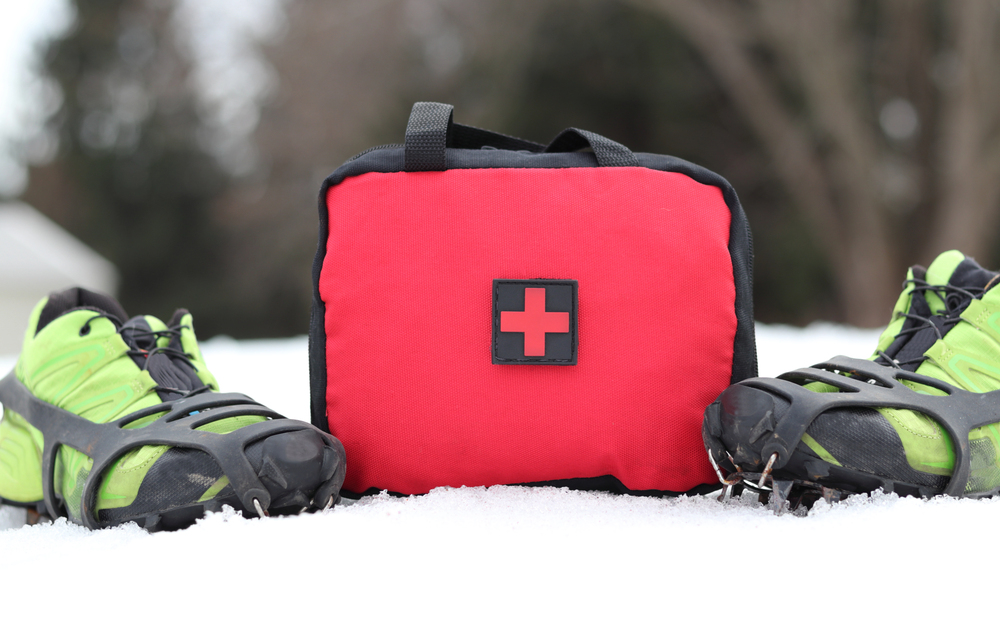
By approaching these topics with calm confidence rather than fearful urgency, parents can normalize emergency response and reduce panic reactions during actual incidents. First aid in the wild requires both technical knowledge and emotional resilience – skills traditionally cultivated in family settings.
By approaching these topics with calm confidence rather than fearful urgency, parents can normalize emergency response and reduce panic reactions during actual incidents.
The Universal Parenting Lesson: Be Prepared
Strip away cultural differences and specialized techniques, and one core lesson emerges from parental guidance across civilizations: anticipate challenges and have solutions ready. From simple reminders about weather-appropriate clothing to comprehensive emergency evacuation procedures, this principle remains consistent.
The most effective teaching occurs when preparation becomes integrated into everyday life rather than treated as separate “survival training.” When children observe adults consistently practicing these skills – carrying multiple fire-starting methods, identifying water sources at campsites, navigating with and without technology – they internalize the fundamental mindset of preparedness.
My Take on Mother’s Day
I’m not gonna get all sappy about Mother’s Day. That’s not my style, and if you’ve ever watched my YouTube channel, you know I’d rather talk about fire-starting techniques than feelings. But standing in my workshop yesterday, prepping gear for next month’s survival course, I had one of those moments.
Years spent in the wilderness have yielded countless harsh lessons from Mother Nature – an unforgiving teacher who demands respect. The natural world shows no mercy when warning signs go unheeded. Through blizzards, torrential downpours, and sudden temperature drops across various Canadian landscapes, one truth becomes evident: Nature doesn’t award participation trophies – she delivers painful lessons that remain permanently etched in memory.
So while you’re taking Mom to brunch this Mother’s Day, maybe consider the broader definition of motherhood: it’s not greeting cards and flower bouquets. It’s the tough, practical wisdom that keeps us alive when shit gets real. The quiet preparedness that anticipates problems before they become disasters. The survival mindset that works whether you’re lost in the wilderness or navigating daily life. That powerful mother instinct – the ability to foresee danger and prepare accordingly – is the kind of ‘mothering’ worth celebrating – and it doesn’t need a special day on the calendar to matter.