Ever had that moment where your heart races because you realize you’re totally unprepared for an emergency? Yeah, me too. It’s that pit-in-your-stomach feeling when you hear about a natural disaster on the news and think, “What if that happened here? What would I do without bug-out bag essentials?”
That’s why I’m all about bug-out bags. They’re not just some doomsday prepper’s fantasy—they’re real-life safety nets when things go sideways. And let me tell you, the heart and soul of any good bug-out bag are the tools that help you find your way and call for help.
Think about it. When everything around you is chaos, knowing where you are and being able to reach out for help can make all the difference. It’s not about being paranoid; it’s about being smart and ready for whatever life throws at you.
So, let’s explore the world of bug-out bag navigation and communication. By the time we’re done, you’ll know exactly what you need to stay oriented and connected when it matters most. Trust me, once you get the hang of it, you’ll wonder how you ever felt safe without these tools by your side.
The Heart of Preparedness: The Bug-Out Bag
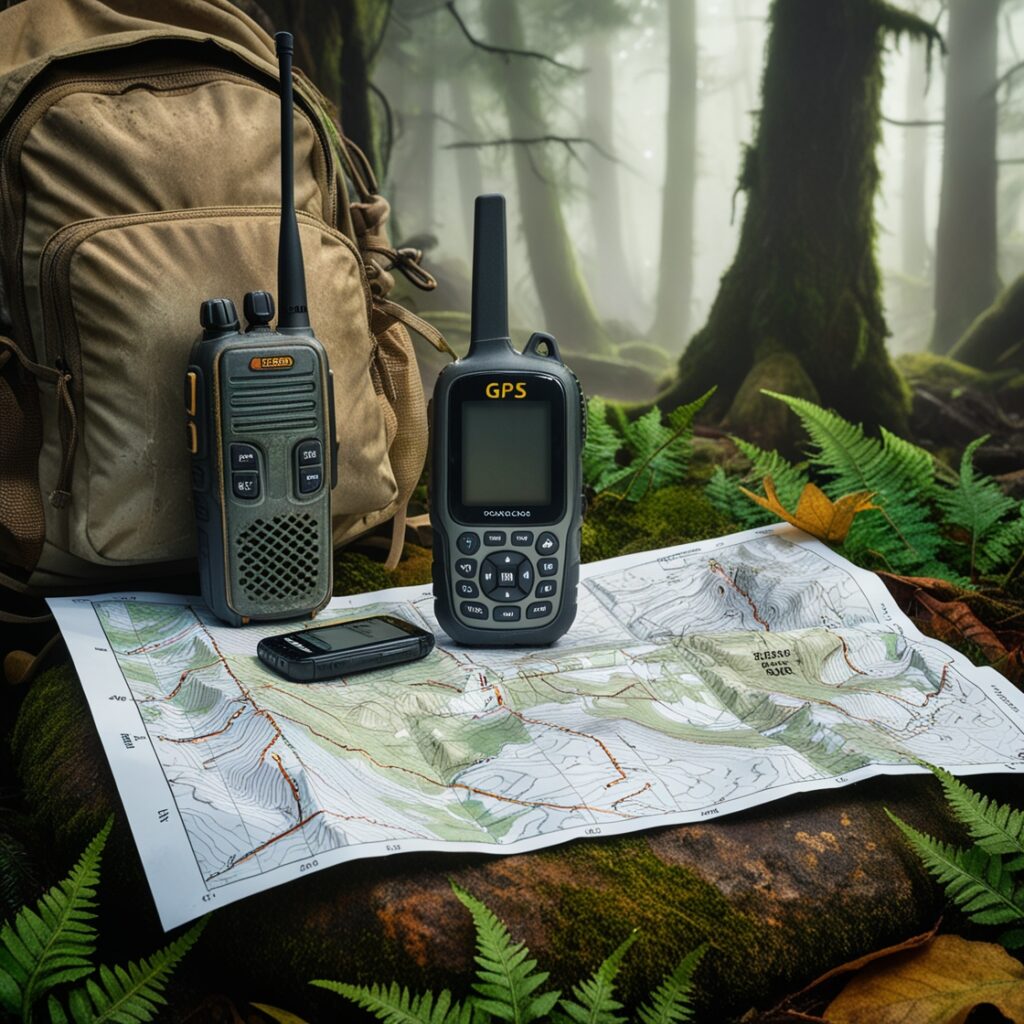
Let’s talk about the star of the show—the bug-out bag. This isn’t just some random backpack you throw together at the last minute. Think of it as your personal survival kit, your “get out of dodge” insurance policy.
I like to call my bug-out bag my “peace of mind in a pack.” It’s packed with everything I’d need to survive for at least 72 hours if I had to leave home in a hurry. And right at the top of that list? You guessed it—navigation and communication tools.
Navigation: Finding Your Way When All Else Fails
When the world goes topsy-turvy, knowing where you are and where you’re going is crucial. Let’s break down the navigation tools that could save your bacon.
1. GPS Devices: Your High-Tech Guide
Global Positioning System (GPS) devices are pretty amazing, right? They can pinpoint your location down to a few feet, show you detailed maps, and even guide you turn by turn. But here’s the catch: they’re only as good as their batteries and signal.
I remember a camping trip where my fancy GPS died on me halfway through a hike. Let me tell you, that was an eye-opener. Since then, I always pack backup batteries and a good old-fashioned map.
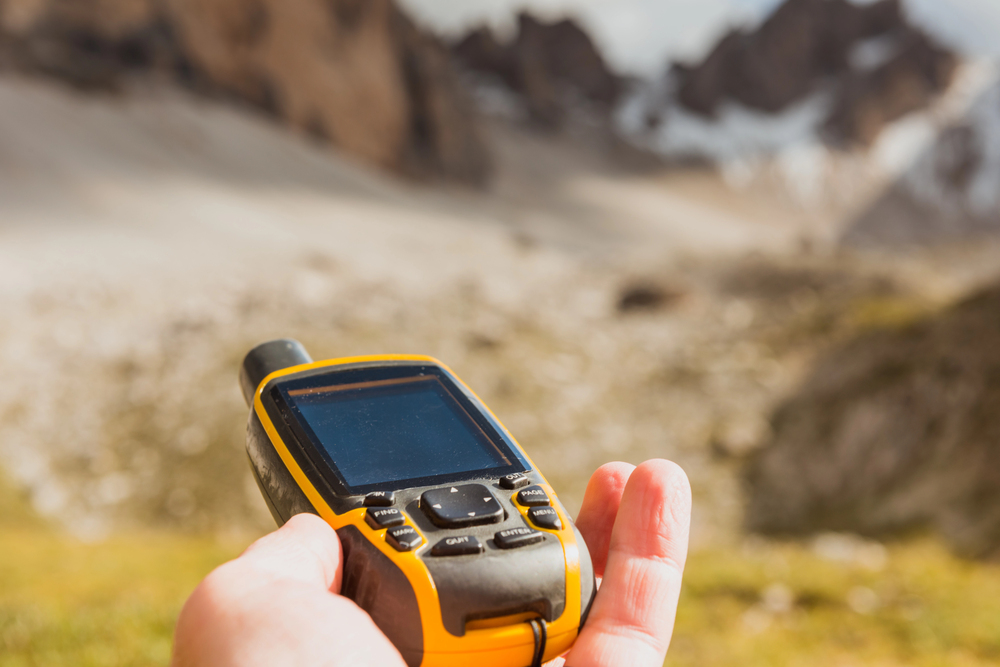
Key points about GPS devices:
Pros:
- Accurate location data
- Detailed maps and routes
- Some models include additional features like weather forecasts
Cons:
- Rely on battery power
- May lose signal in remote areas or during severe weather.
Tips:
- Always carry spare batteries or a portable charger
- Know how to use your device before you need it in an emergency.
2. Maps and Compasses: The Dynamic Duo
Speaking of maps, there’s something reassuring about spreading out a paper map and plotting your course. No batteries required, no signal needed. Just you, your brain, and a trusty compass.
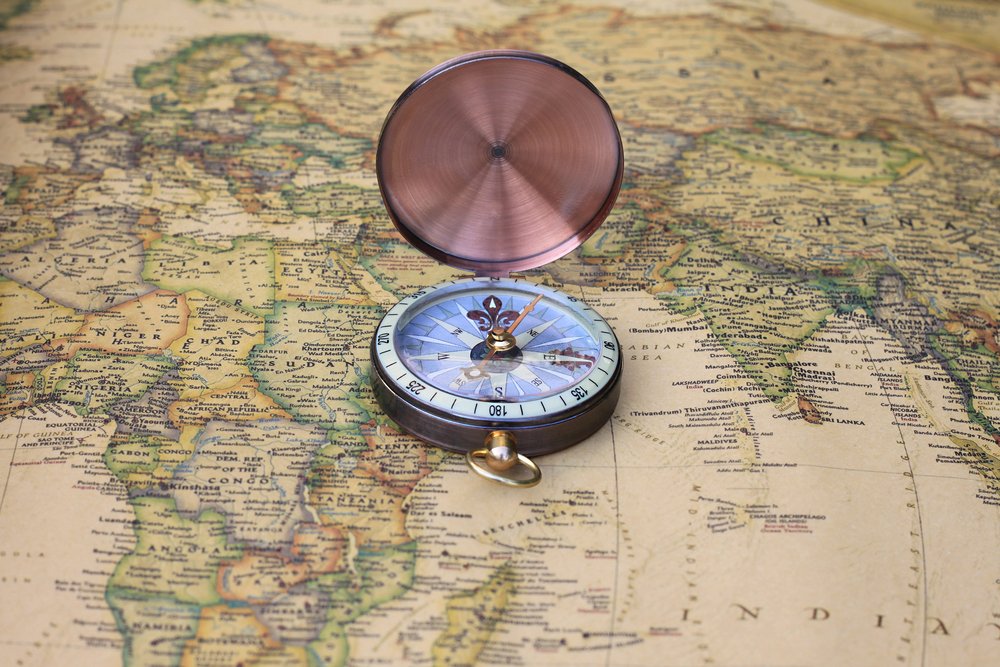
I keep waterproof topographic maps of my local area and any place I might need to evacuate to in my bug-out bag. And that compass? It’s like an old friend—always reliable, always ready to point me in the right direction.
Essential map and compass tips:
- Choose the right maps:
- Get detailed topographic maps of your area.
- Include maps of potential evacuation routes and destinations.
- Invest in waterproof maps or waterproof map cases.
- Learn basic compass skills:
- How to find the true north
- How to take a bearing
- How to navigate using a map and compass together
- Practice, practice, practice:
- Set up mock navigation exercises in your local park.
- Try finding your way using only a map and compass on your next hike.
3. Altimeters: Not Just for Mountain Climbers
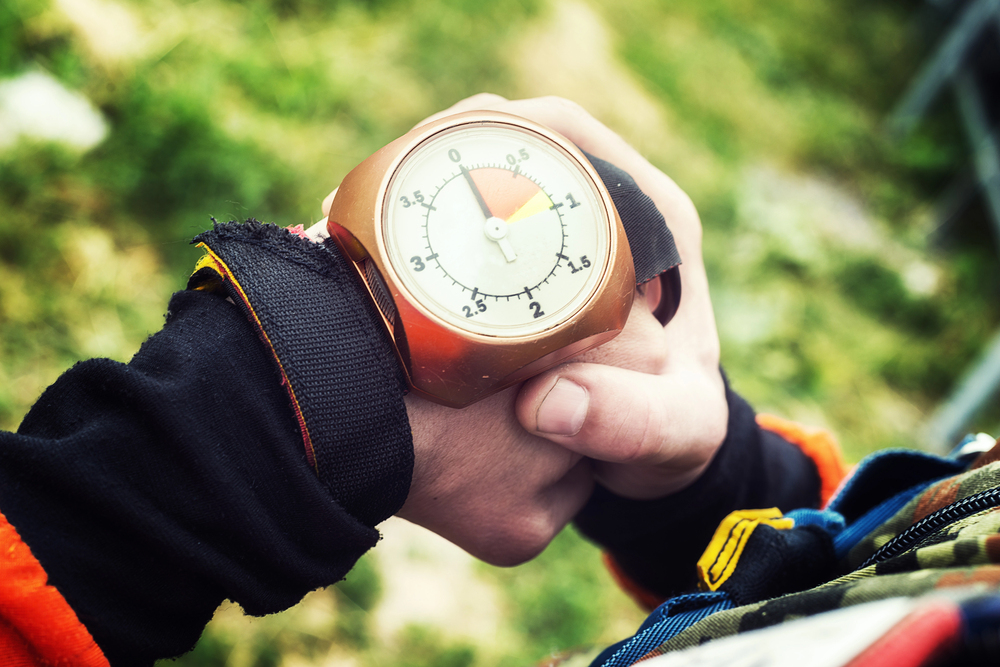
Now, altimeters might sound like something only mountain climbers need, but trust me, they’re handy in all sorts of situations. Knowing your elevation can help you figure out where you are on a map, especially if you’re in hilly terrain.
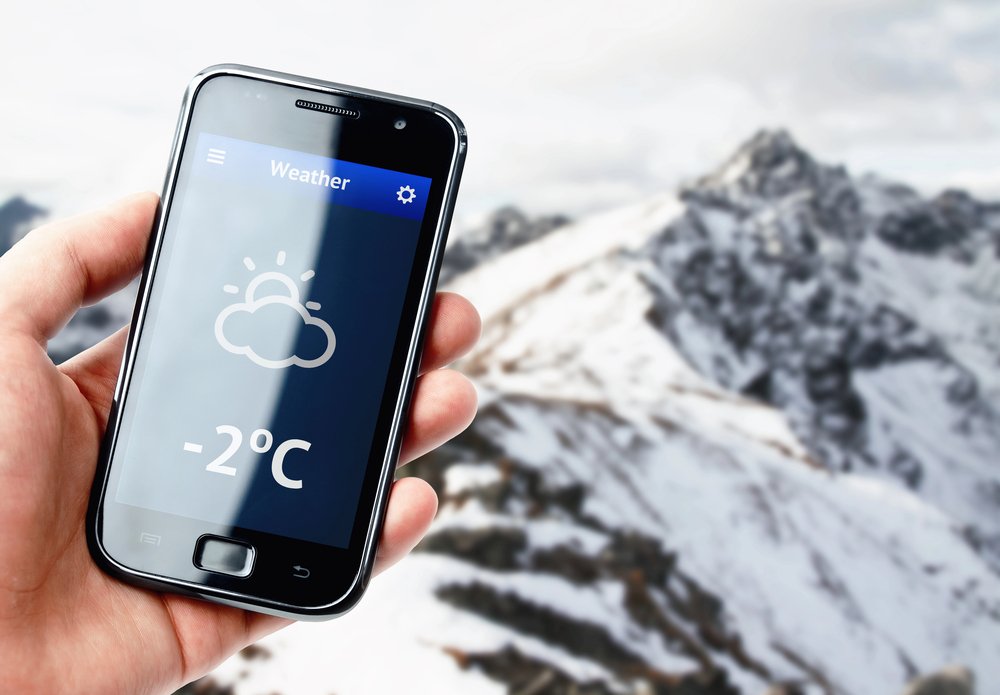
Plus, some altimeters can track barometric pressure. Why does that matter? Well, sudden drops in pressure can mean a storm’s brewing. And in a survival situation, knowing the weather’s about to turn can be a real lifesaver.
Altimeter advantages:
- Help pinpoint your location on topographic maps.
- Assist in weather prediction
- Often come with additional features like temperature readings.
4. Signal Mirrors: Low-Tech Wonder
Here’s a cool trick: on a sunny day, a signal mirror can be seen for miles. It’s like sending a laser beam into the sky, saying, “Hey, I’m over here!” No batteries, no complicated tech, just a simple, effective way to catch someone’s attention when you need help.
I practice with mine every now and then. It’s kind of fun, actually. Like playing a game of “catch the sunshine” with yourself.
Signal mirror best practices:
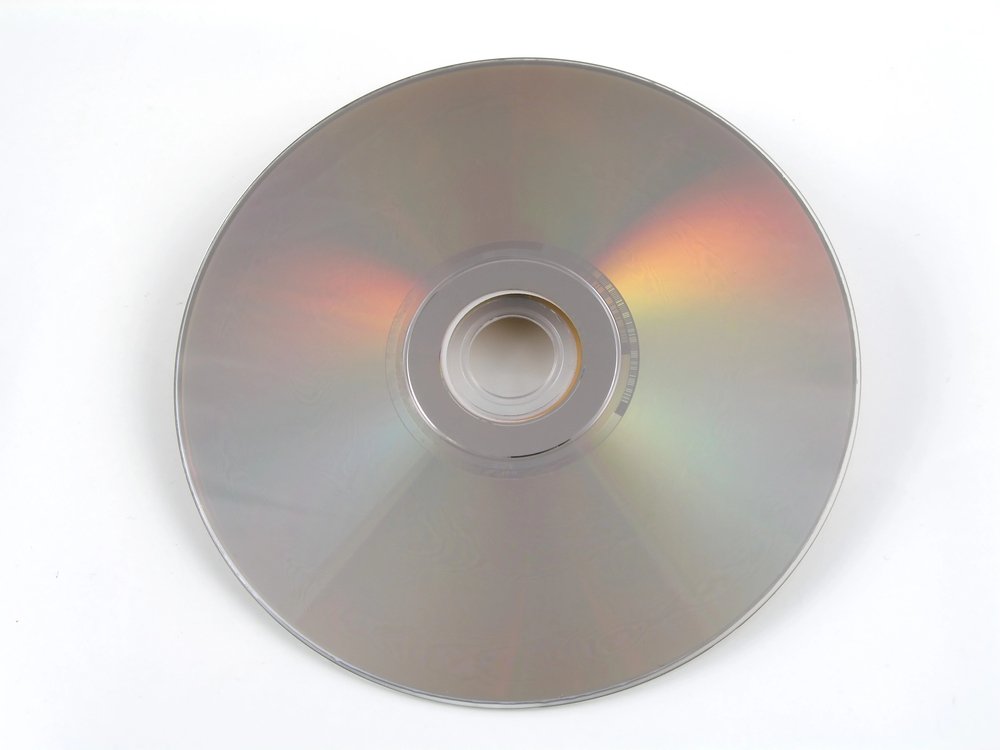
- Choose a mirror with a sighting hole for accuracy (an old CD is great for this)
- Learn the proper technique for aiming
- Practice regularly; it’s a skill that needs honing.
Communication: Staying Connected When It Matters Most
Alright, now that we’ve got navigation sorted, let’s talk about staying connected. Because sometimes calling for help is your best bet for survival.
1. Two-way radios for short-range team coordination
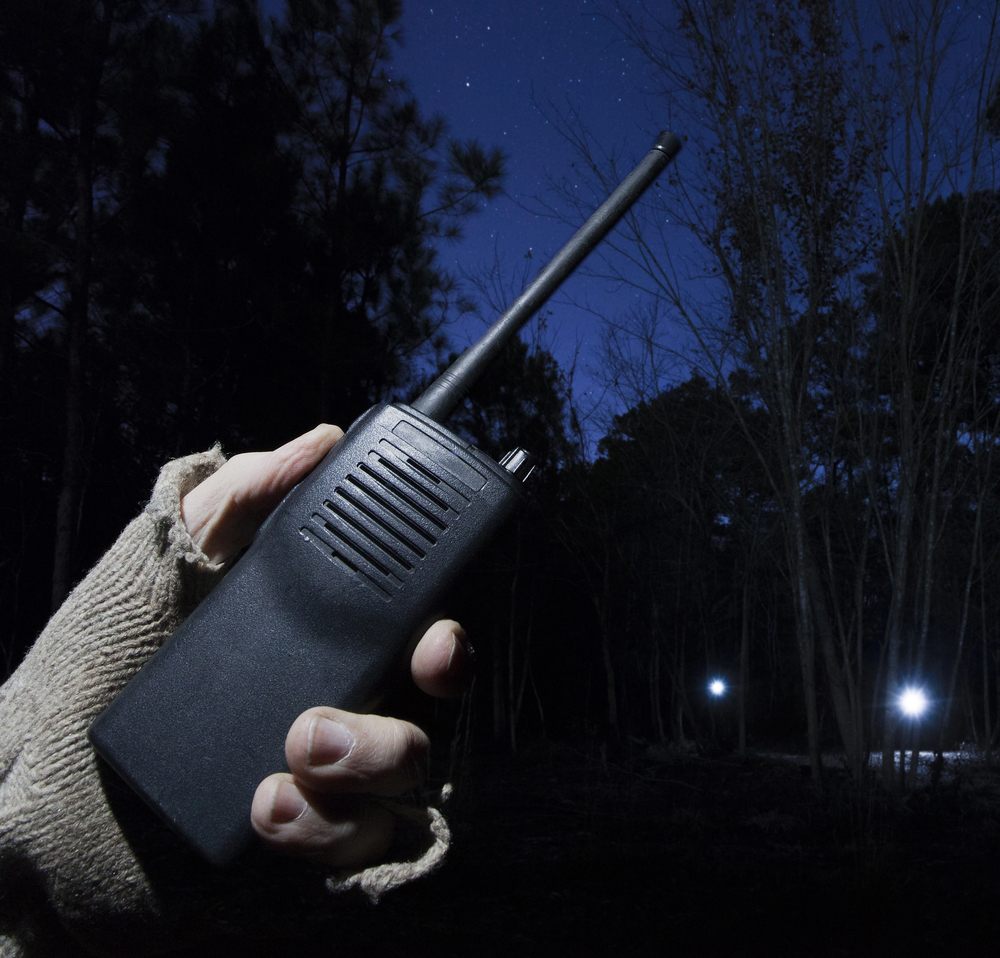
When you’re out with a group, two-way radios are invaluable for staying in touch. They’re reliable for short to medium distances and don’t rely on cell networks. Making sure everyone in your group knows how to use them is essential.
Two-way radio tips:
- Choose radios with good range and battery life.
- Learn and practice using different channels and privacy codes.
- Establish communication protocols with your group beforehand.
2. Satellite Phones: When Cell Towers Fail
For true peace of mind in remote areas, nothing beats a satellite phone. They’re pricey, but the ability to call for help from virtually anywhere on Earth makes them a serious consideration for dedicated preppers assembling comprehensive bug-out bag essentials.
Satellite phone considerations:
- Research different service providers and coverage areas.
- Understand the costs involved (both for the phone and service).
- Practice using it; satellite phone calls can have a slight delay that takes getting used to.
3. Emergency Radios: Staying Informed
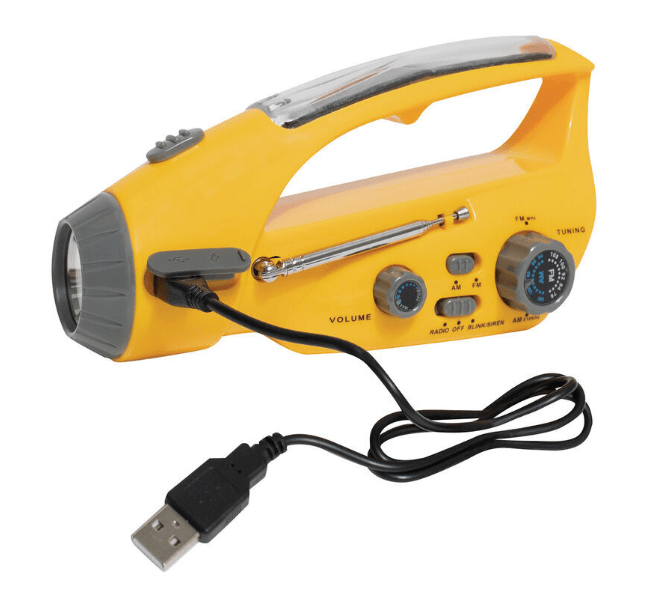
A hand crank emergency radio is a must-have in any bug-out bag. It allows you to receive weather alerts and emergency broadcasts, even when the power grid is down. Some models even include USB ports for charging other devices.
Features to look for in emergency radios:
- Multiple power sources:
- Hand crank
- Solar panel
- Battery-powered (with long battery life)
- NOAA weather radio capability
- AM/FM reception
- USB charging port for other devices
- Built-in flashlight
4. Personal Locator Beacons (PLBs): The Last Resort
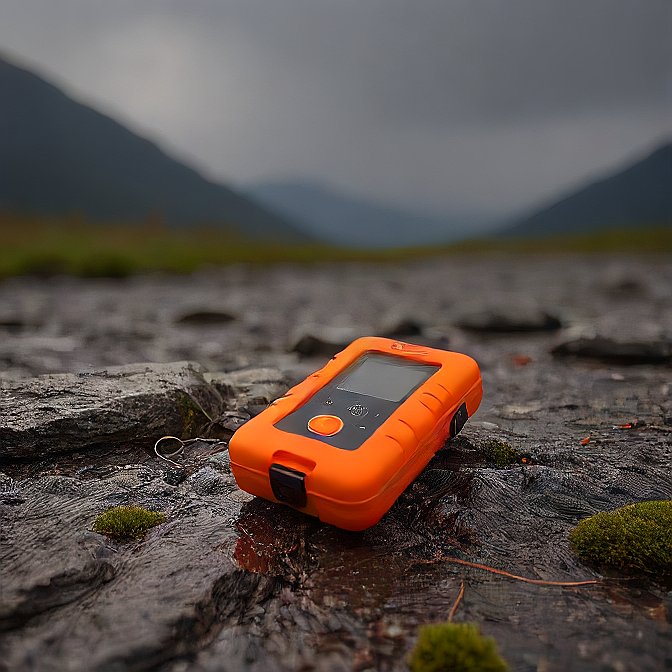
While you hope never to use it, a Personal Locator Beacon (PLB) provides confidence that you can signal for help in life-threatening situations. It’s a one-way device that alerts search and rescue services to your location via satellite.
PLB facts:
- Operates on a global satellite network.
- No subscription is required.
- Should only be activated in true emergencies.
- Battery life typically lasts for 24-48 hours once activated.
5. Satellite Messaging Devices: Your Smartphone’s New Best Friend
Ever wished you could text from the middle of nowhere? Well, now you can! These nifty gadgets turn your smartphone into a satellite communicator. Pretty cool, right?
There are many of these devices on the market. Some offer just text capabilities, while others allow you to send voice messages and photos. Here are a couple of examples of what’s out there:
- Think of it as your phone’s ticket to the satellite party
- You can text, send SOS, and share your location
- The best part? You only pay when you need it
- This one’s like having a satellite pen pal
- It gives you your own satellite phone number and email
- Switches between Wi-Fi, cell, and satellite without missing a beat
Why You’ll Love Them:
- Way cheaper than those bulky satellite phones
- Small enough to forget it’s in your bag (until you need it)
- Works with your phone, so no new tech to learn
- SOS button for those “oh no” moments
- Bonus: Weather updates and basic “where am I?” features
But Keep in Mind:
- You’ll need a subscription (but hey, it’s flexible)
- Your phone needs juice too, so pack a power bank
- Texts might take a hot second longer than usual
Bottom line: These little lifesavers are perfect for your bug-out bag essentials. They’ll keep you connected when cell towers decide to take a day off.
Putting It All Together: Building Your Navigation and Communication Kit
Now that we’ve covered the essentials, let’s talk about how to put it all together in your bug-out bag. Remember, the goal is to be prepared without weighing yourself down too much.
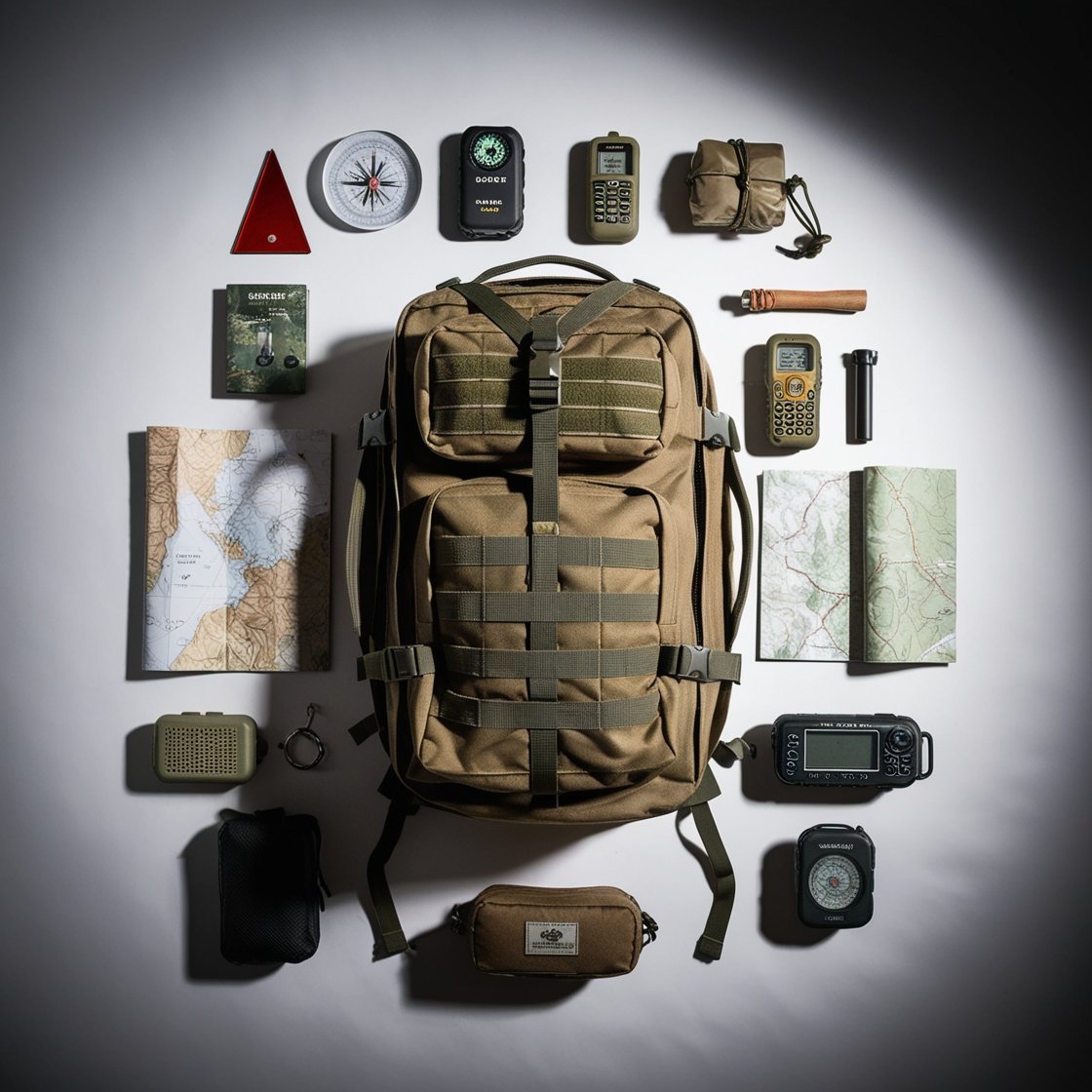
Here’s my recommended list of navigation and communication tools for a well-rounded set of bug-out bag essentials:
- GPS device with extra batteries
- Waterproof topographic maps of your local area and evacuation routes
- High-quality compass
- Altimeter (can be part of a multi-function watch)
- Signal mirror
- Two-way radios (one per family member)
- Emergency hand-crank radio
- Personal Locator Beacon
- Waterproof notepad and pen (for leaving messages or taking notes)
- Laminated card with emergency contact numbers and frequencies
Optional (but recommended if you can manage the weight and cost):
- Satellite phone
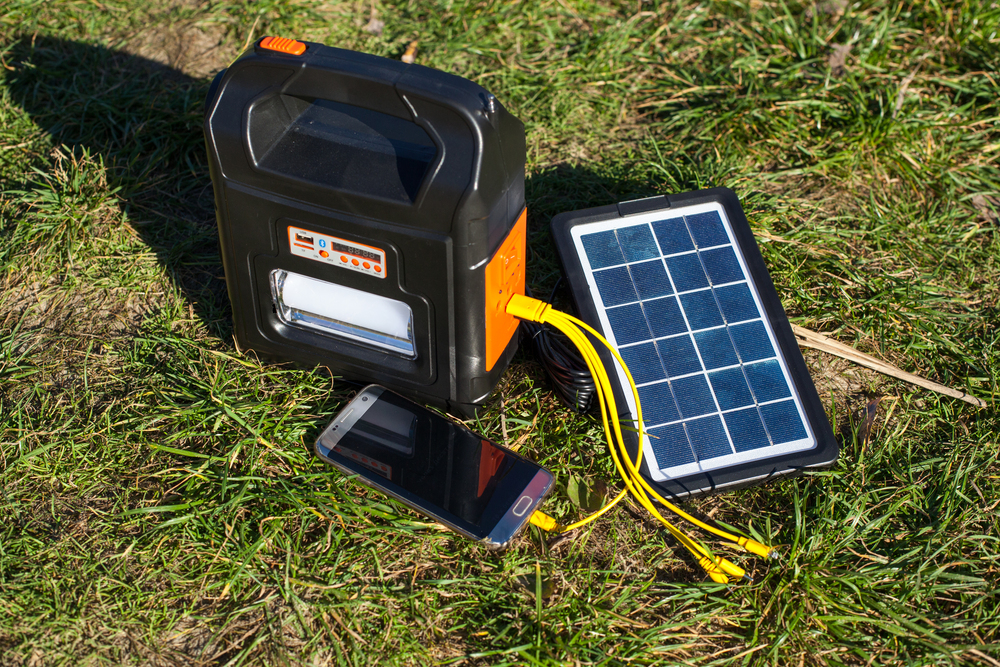
- Solar charger for electronic devices
Beyond the Gear: Skills and Knowledge
Having all this gear is great, but knowing how to use it is even better. Here are some skills I recommend practicing:
- Map reading and orienteering
- Basic celestial navigation (using the sun and stars)
- Weather prediction using natural signs
- Morse code for emergency signaling
- Basic radio operation and protocols
- How to improvise antennas for better reception
Remember, skills weigh nothing and can never be taken away from you. The more you know, the better prepared you’ll be.
Maintenance and Regular Check-ups
Your bug-out bag essentials aren’t a “set it and forget it” kind of thing. I make it a point to check mine regularly. Here’s what I do:
- Check and replace batteries every six months.
- Update maps and contact information yearly.
- Test all electronic devices quarterly.
- Review and practice using each item at least once a year.
Preparedness in Practice
As we conclude our journey through bug-out bag navigation and communication tools, I hope you’re feeling more confident about facing the unexpected. Each piece of knowledge and every tool you add is a meaningful step toward true preparedness.
The goal isn’t to become a doomsday prepper or live in fear. It’s about empowering yourself with the right tools and skills to handle whatever challenges arise—whether it’s a natural disaster or a camping trip gone wrong.
Build your preparedness systematically. Start with basics and expand gradually. Make testing your gear a regular habit and involve family or friends to transform it into an engaging activity. As your skills grow, you’ll become a valuable resource for emergency preparedness within your community.
Adaptability is key. No two emergencies are alike, but with a well-prepared bug-out bag and the knowledge to use it effectively, you’re positioning yourself to thrive in adversity, not just survive it.
The world can be unpredictable, but with the right tools and knowledge from these bug-out bag essentials, you’ll be ready for whatever comes your way. Knowledge truly is power in emergency preparedness. Stay curious, stay prepared, and find your path, no matter where life takes you!