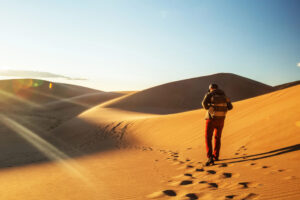
Aron Ralston stood trapped in Bluejohn Canyon, Utah, his arm pinned by a boulder, with minimal water and no hope of rescue. His extraordinary 127-hour survival story and eventual self-amputation to escape would later inspire millions, demonstrating how proper desert survival skills, mental resilience, and the will to live can overcome seemingly impossible odds.
The Desert Doesn’t Forgive Mistakes
The desert holds no prisoners. Every year, hundreds of adventurers, hikers, and travelers find themselves caught in life-threatening situations. The difference between survival and tragedy often comes down to knowledge, preparation, and the ability to stay calm when everything goes wrong.
Finding Water When There Seems to Be None
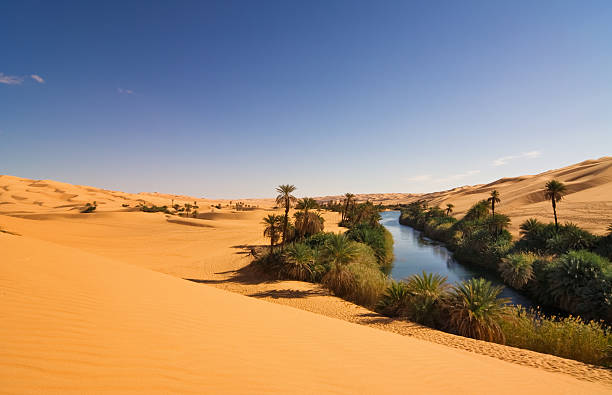
Finding water is one of the most critical desert survival skills you can master. Experienced desert survival instructors emphasize a simple truth: “You can survive three weeks without food, but only three days without water. The clock starts ticking the moment you step into the sand.”
Mauro Prosperi’s incredible survival in the Sahara Desert in 1994 proves this principle. After getting lost during a marathon, the Italian police officer and Olympic athlete survived nine and a half days by eating raw bats, drinking his own urine, and collecting morning dew. He traveled nearly 200 miles off course before being rescued, demonstrating both the desert’s dangers and the lifesaving value of resourcefulness and resilience..
Learning from Ancient Wisdom
The Tohono O’odham people of the Sonoran Desert have survived for centuries by mastering water-finding techniques. Their traditional knowledge of natural water catchments in rock formations, seasonal springs, and water-storing plants continues to inform modern survival training.
The Morning Gift: Dew Collection
Desert survival experts teach several proven methods for collecting precious morning dew:
- Spreading clean fabric over desert plants overnight
- Using plastic sheets to funnel dew into containers
- Locating and utilizing natural rock depressions
Creating Your Own Water Source: The Solar Still
During a grueling desert training mission, my friend’s military unit faced a critical water shortage. Their survival instructor taught them an ancient yet ingenious technique: the solar still. This simple device saved their mission and has since become standard training for desert operations.
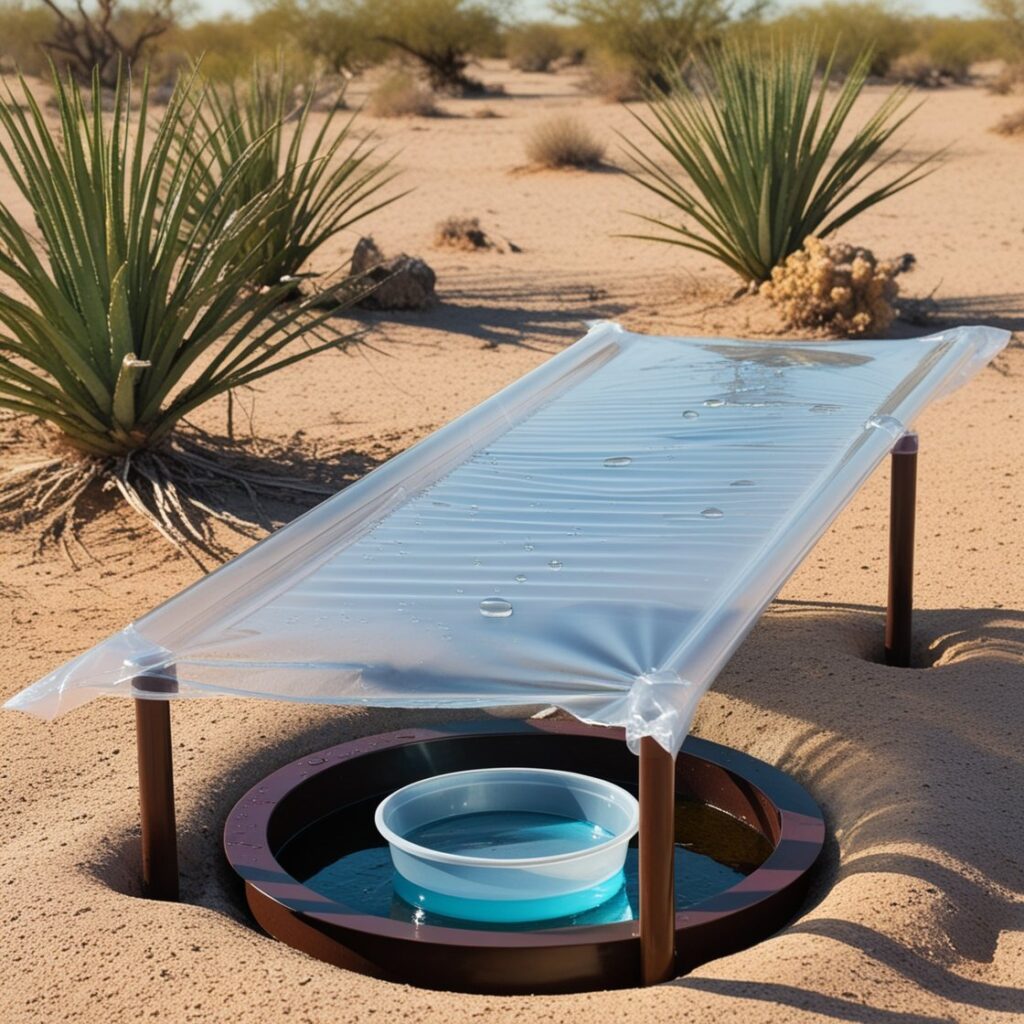
A properly constructed solar still can produce up to 1 liter of water per day in optimal conditions. The technique requires:
- A hole about 3 feet deep to create sufficient space for condensation
- A container placed in the center to collect the precious water droplets
- A plastic covering secured with rocks to trap moisture and heat
- A small rock to create a drip point for efficient water collection
- (Optional) Vegetation to significantly increase water production
My friend discovered that adding local vegetation dramatically improved their results. The moisture from desert plants, particularly succulents, significantly increased water production. His unit documented that holes containing desert vegetation yielded nearly four times more water than empty stills. This technique has since been adopted by desert rescue teams across the military, who have verified its effectiveness in real-world survival situations.
The solar still has become a cornerstone of desert survival training, proven repeatedly in real-world conditions. As my friend says, “It’s not just about knowing how to build it—it’s about understanding how to maximize its potential using whatever resources you have available.”
Desert Plants: Nature’s Water Bottles
Botanists and desert ecology experts identify several key plants that can provide emergency water:
- Barrel Cactus: These natural reservoirs can hold several quarts of water, though extraction requires careful technique and knowledge.
- Prickly Pear: These common cacti provide both hydration and nutrition through their fruit and pads.
- Agave: Desert botanists have documented that a single agave plant can yield up to a quart of water from its fibrous core. However, extracting this water requires significant effort and tools.
- Desert Palm: Found in desert oases, these palms indicate permanent water sources. Their presence has guided Bedouin travelers for centuries across the Sahara’s harshest regions.
Moving Through the Desert: A Matter of Life and Death
Yossi Ghinsberg’s survival for three weeks in the Bolivian desert in 1981 taught him crucial lessons about desert movement. His experience aligns with what experts now teach about the safest times for desert travel:
- 4:00 AM – 10:00 AM: Morning movement window
- 4:00 PM – 7:00 PM: Evening movement window
- Night travel: Only with proper navigation tools and training
Real-World Movement Strategies
Robert Bogucki’s 43-day survival in Australia’s Great Sandy Desert in 1999 provides crucial lessons in desert movement. Bogucki survived partly because he traveled only during early morning hours and late evening, covering nearly 400 miles in extreme conditions. His experience validates what desert guides have long taught about movement strategies:
- Early Morning Movement: Temperatures can be 20-30 degrees cooler before sunrise.
- Evening Travel: Using the last hours of daylight when temperatures drop.
- Rest Locations: Choosing spots with natural shade and protection from wind.
- Pace Management: Moving slowly to conserve energy and water.
Reading the Desert’s Signs
Desert navigation experts and indigenous peoples have identified reliable natural navigation markers:
- The sun’s arc for basic direction
- Star patterns for night navigation
- Plant growth patterns indicating cardinal directions
- Rock formations aligned with prevailing winds
- Animal behavior near water sources
Heat-Related Dangers: Recognition and Response
Desert rescue teams emphasize these critical warning signs:
- Decreased sweating
- Mental confusion
- Rapid breathing
- Muscle cramps
- Nausea or vomiting
Immediate response should include:
- Stopping all physical activity
- Finding or creating shade
- Cooling the body through any means available
- Drinking water if conscious
- Signaling for help if possible
Creating Shelter: Your Desert Haven
Desert survival experts emphasize that effective shelters must:
- Minimize sun exposure
- Maximize airflow
- Create double-layered roofing
- Allow for temperature changes
- Position for natural cooling
Mental Toughness: The Survival Edge
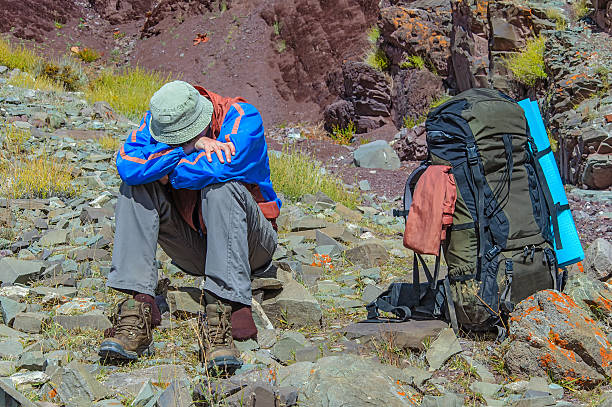
Victoria Grover’s remarkable survival in Southern Utah’s desert at age 59 demonstrates the power of mental resilience. Despite a broken leg and four days without food, she credited her survival to psychological preparation and meditation practices. Her experience reinforces what survival psychologists have long maintained: mental toughness often determines survival outcomes more than physical strength.
Psychological Survival Techniques
As an outdoor enthusiast, I’ve learned that mental resilience is just as crucial as physical preparedness. The psychological coping techniques I apply during extended solo expeditions have repeatedly proven invaluable for maintaining mental clarity and emotional stability:
Maintaining Routine
- I set strict rest periods to maintain my circadian rhythm, even when daylight patterns are unusual.
- Each morning begins with equipment checks and weather observations—tasks that anchor my days.
- Personal hygiene remains non-negotiable, even with limited resources.
- I establish regular observation points and times, which provide structure and improve situational awareness.
Mental Exercises
- I practice detailed memory recall of loved ones and favorite places when isolation feels overwhelming.
- Complex mathematical calculations help keep my mind sharp, especially during long periods of physical inactivity.
- Memorizing and singing songs helps combat the psychological effects of environmental monotony.
- Creating stories about my surroundings keeps me alert and engaged with my environment.
These techniques have proven essential for maintaining mental clarity in challenging conditions. They prevent confusion under stress, help monitor mental awareness, and combat the psychological effects of isolation. It’s not just about physical survival—it’s about maintaining the mental acuity needed for critical decision-making until conditions improve or the expedition concludes. The environment may change, but the need for psychological resilience remains constant.
Essential Gear: The Desert Survival Kit
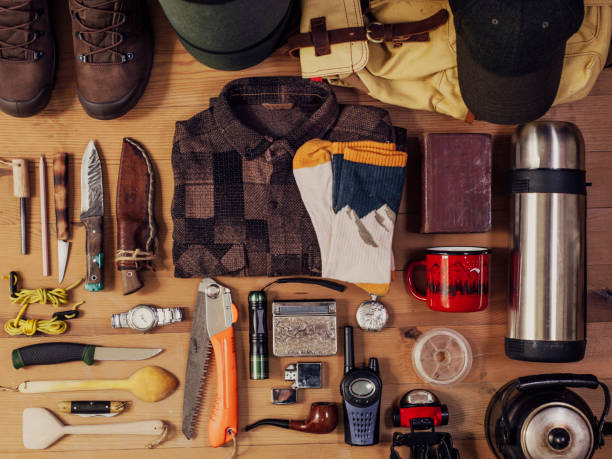
Through years of outdoor adventures, I’ve refined my survival kit to include items that have proven their worth in critical situations. Each piece serves a vital purpose, from basic necessities to modern safety equipment.
Basic Essentials:
- A multi-tool with pliers for repairs and general utility
- A signal mirror that serves both emergency signaling and practical uses
- Sturdy water containers that withstand temperature extremes
- A compact first aid kit for treating minor injuries and ailments
- Multiple fire starters for backup reliability
- An emergency shelter for protection from sun and nighttime cold
- Navigation tools that require regular practice to use effectively
- Light-colored, loose clothing for sun protection
- A wide-brimmed hat for essential shade
Modern Equipment:
- A solar charger for maintaining power supply
- A satellite messenger for emergency communication
- Water purification tablets for safe drinking water
- Electrolyte replacements to prevent dehydration
Each item has proven its value multiple times during expeditions. While the kit may seem extensive, experience has shown that having the right equipment – and knowing how to use it – can make a crucial difference in challenging situations.
Desert Survival Rules
Research from desert rescue operations worldwide has established these core rules:
- Never leave your vehicle if stranded
- Stay high and visible for rescuers
- Ration sweat, not water
- Travel early or late; rest mid-day
- Signal whenever possible
Traditional Knowledge Meets Modern Tech
Desert survival continues to evolve as traditional knowledge merges with modern technology:
Traditional Methods:
- Reading cloud patterns
- Understanding animal behavior
- Knowledge of edible plants
- Natural navigation techniques
Modern Additions:
- GPS devices
- Satellite communications
- Weather forecasting
- Emergency beacons
Modern Survival Technology Applications
In my journey as an outdoor prepper, I’ve witnessed the incredible evolution of survival technology. Let me share the tools that have become trusted companions in my kit:
Satellite-Based Tools
- My personal locator beacon gives me confidence with its remarkable 95% global coverage—it’s like having a guardian angel in my pocket.
- The real-time weather monitoring system has helped me make crucial decisions before conditions turn dangerous.
- A solar-powered emergency radio that has proven reliable even after days off-grid.
- My satellite phone with extended battery life—worth every ounce of its weight for peace of mind.
Advanced Navigation
- A multi-constellation GPS receiver that has guided me through challenging terrain.
- Offline mapping systems that work when cell service is just a distant memory.
- An electronic compass with declination adjustment, making navigation much more intuitive.
- Automated breadcrumb tracking that helps me retrace my steps when needed.
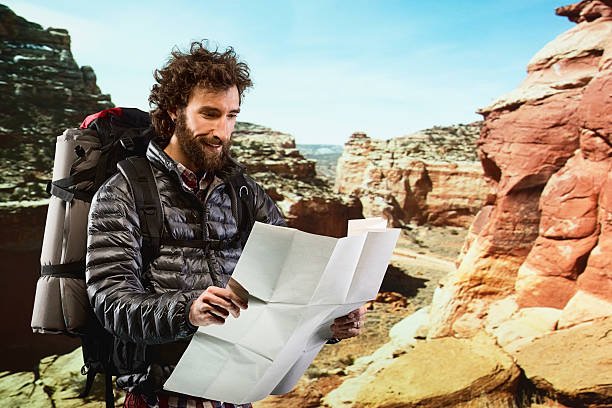
But here’s what experience has taught me—while I love my tech, I never rely on it alone. I’ve had devices fail at critical moments, which is why I always pack my trusty magnetic compass and paper maps. Some of my most memorable lessons came from those moments when technology took a break, and basic navigation skills saved the day.
I’ve learned that combining both modern and traditional methods isn’t just about having backups—it’s about truly understanding your environment and having multiple ways to read it. It’s a humbling reminder that, in the outdoors, redundancy isn’t excessive—it’s essential.
The Desert Survivor’s Mindset
The desert survival guide presented here covers the fundamental pillars of staying alive in arid environments: water sourcing and conservation, navigation skills, heat management, shelter building, and mental resilience. These techniques combine modern knowledge with time-tested wisdom. The desert teaches us more than just survival—it offers lessons in preparation, respect for nature, and self-reliance. These survival skills are essential for anyone venturing into such harsh landscapes, as they can mean the difference between life and death in challenging situations
Like the hardy desert plants that adapt to survive the driest times, we must prepare ourselves for challenging conditions before they arise. The desert environment teaches vital lessons about adaptability and self-sufficiency—lessons that have been understood by generations of desert dwellers.
In its vast silence, the desert reminds us of a simple truth: respect nature’s power, and it will teach you not just how to survive but how to thrive in challenging environments.