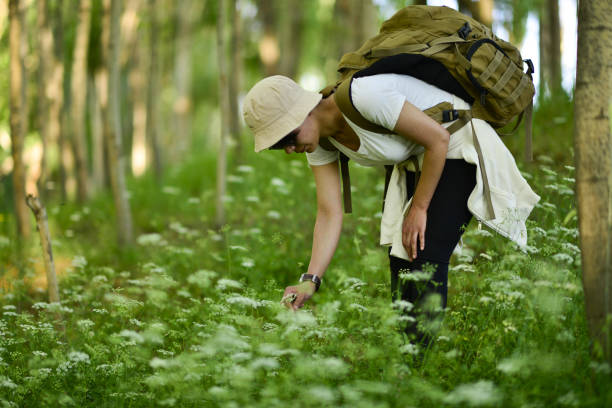
Foraging became part of my skill set during a wilderness survival course in 2018. The instructor dedicated significant time to identifying harmful plants – wisdom that proved valuable. While my experience remains limited, I’ve developed a methodical approach of studying plant identification resources before each outing.
Easter weekend typically marks the beginning of the foraging season. Before venturing out, I review both edible and harmful plants that emerge in spring. Plants like mayapple require caution – they can cause skin irritation and are toxic if improperly prepared.
Why Identifying Harmful Plants Matters
Knowing poisonous plants is essential for foragers. Water Hemlock is North America’s deadliest plant and easily confused with edible wild parsley or Queen Anne’s Lace. Its toxins can kill in small amounts, and even touching it requires immediate handwashing. Don’t take chances with this one.
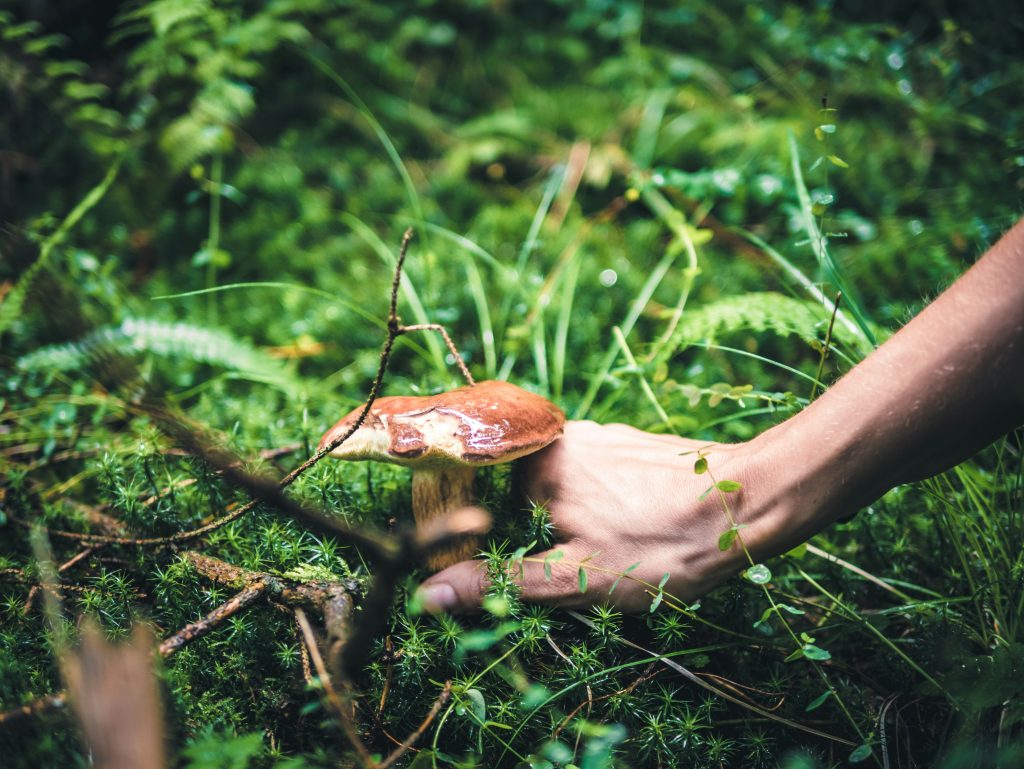
Safety must be the primary concern during any foraging activity. While finding edible plants like morels and ramps is rewarding, misidentification can lead to serious health consequences. Prioritizing the identification of harmful plants before harvesting anything is essential for safe foraging practices, especially during Easter when many families explore the outdoors.
My #1 Rule: Don’t Eat Stuff You Can’t Name
My wilderness instructor used to say “Know Plants. Know Seasons. Know Your Area.” Seems simple, right? But you wouldn’t believe how many people skip this part.
Here’s the thing about these harmful plants – they’re sneaky little jerks. Evolution gave them tricks to look like good plants. It’s like nature’s version of a con artist. That water hemlock I mentioned? It’s in the same family as carrots! Seriously. One tip is to document plant species during foraging trips, taking clear photos for later reference. This careful documentation helps safe foraging in future.
Misidentifying plants can have serious consequences. There are numerous documented cases of foragers becoming ill after consuming what they thought was an edible plant. The results can range from uncomfortable digestive issues to hospitalization in severe cases. When in doubt, just leave it alone. No wild edible is worth the risk of poisoning.
Water Hemlock: The Bad Boy of Harmful Plants
If harmful plants were in a lineup of criminals, Water Hemlock would be the one they’d write Netflix documentaries about. It’s the worst of the worst. The plant I worry about people grabbing during their Easter hikes.
This thing is loaded with cicutoxin – and let me tell you, that stuff does not mess around. Attacks your central nervous system and can kill you faster than you can get to a hospital. What really concerns me is how much it resembles edible plants. It’s scary how Water Hemlock looks just like plants we actually want to eat. People mix it up with Queen Anne’s Lace all the time, and some folks can’t tell it from Water Parsnip.
Even worse – when it’s not flowering, some people confuse it with young Elderberry shoots. If you spot those white flower clusters while hiking, stay back! They might look pretty, but they’re not worth getting close to. Just take a good look from where you’re standing. Proper identification and caution are essential – once recognized, it’s best to observe from a distance and avoid any contact. Taking time to study the plant’s characteristics from afar can be a valuable learning experience without putting yourself at risk.
Recognizing Water Hemlock
Here’s what I’ve learned to look for:
- Height of 3-7 feet when fully grown (though spring specimens may be shorter)
- Smooth, hollow stems often marked with purple streaks or blotches
- Large, compound leaves divided into lance-shaped leaflets with serrated edges
- The crucial identifier: leaf veins that run to the notches between teeth, not to the tips
- White flowers in umbrella-shaped clusters (umbels) that bloom in late spring
- The root system has chambered sections containing yellowish, oily fluid that smells like raw parsnip
Medical records show just how dangerous Water Hemlock can be. One bite of the root is enough to send someone to the ER with violent seizures. Even with doctors working fast, victims often end up in the ICU fighting for their lives. Not everyone survives this poison – it works quickly and shows no mercy.
The Consequences of Confusion

Ingestion of even a small amount of Water Hemlock can be fatal. Symptoms begin rapidly, usually within 15 minutes to a few hours, and include:
- Violent seizures
- Nausea and vomiting
- Muscle twitching
- Elevated heart rate
- Excessive salivation
- Dilated pupils
- Respiratory paralysis, which can lead to death within hours
There have been documented cases of Water Hemlock poisoning requiring intensive medical care.Just one bite of Water Hemlock root can trigger seizures and land you in the hospital. People have died even after getting emergency help. This stuff kills fast, and doctors can’t always save you. The poison control center has files full of these horror stories.
Those Troublesome Look-Alikes
Plant look-alikes cause most foraging poisonings. Spring is especially tricky as young plants often don’t match field guide images.
Poison Hemlock vs. Queen Anne’s Lace
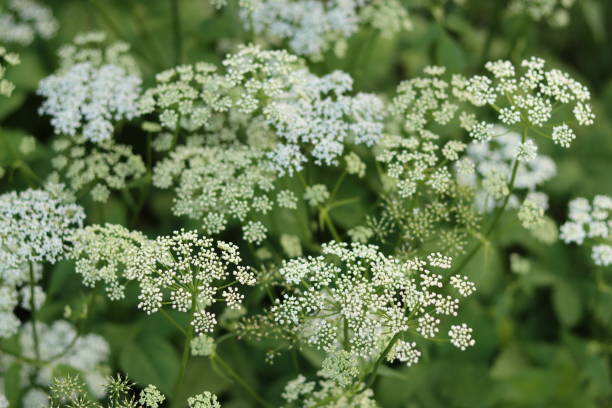
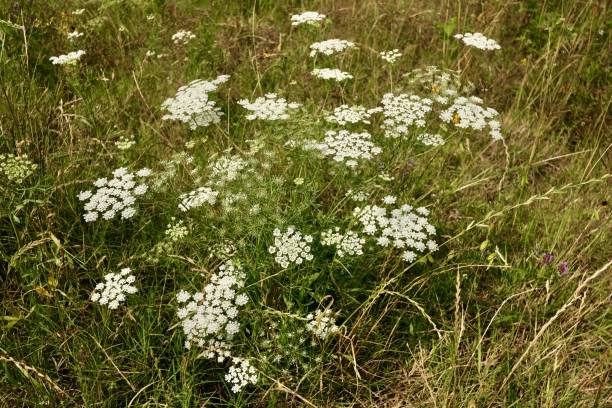
Poison Hemlock looks so much like Queen Anne’s Lace it makes me nervous. Not quite as deadly as Water Hemlock, but the coniine in it will still mess up your breathing and possibly kill you.
When I’m trying to tell them apart, I look for:
- Purple spots or blotches on the stem of Poison Hemlock
- A smooth stem on Poison Hemlock versus the hairy stem of Queen Anne’s Lace
- The absence of the characteristic central purple flower that often appears in Queen Anne’s Lace
Queen Anne’s Lace smells like carrots when you break the stem – makes sense since they’re relatives. Poison Hemlock? Smells like mouse pee. Nasty.
False Morels: A Mushroom Masquerade
While this article focuses primarily on harmful plants, I would be remiss not to mention false morels, which emerge during spring foraging season. True morels are prized edibles, but their toxic look-alikes can cause severe illness or worse.
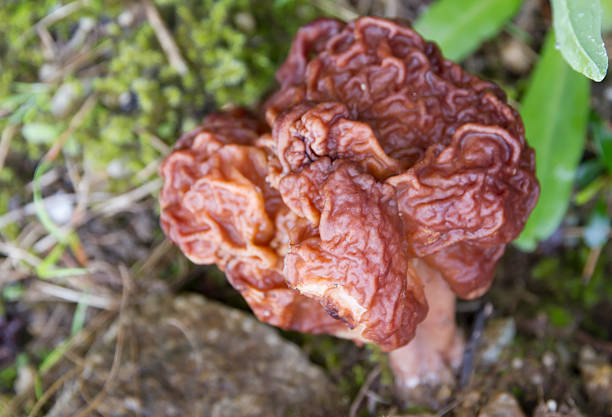
I’ve found that the key differences include:
- True morels are hollow from stem to cap; false morels contain cotton-like fibers or are solid inside
- True morels have caps that are attached to the stem at the base of the cap; false morels’ caps hang freely around the stem
- True morels have pitted caps; false morels often have wrinkled, brain-like caps
Never harvest morels without cutting them lengthwise first to confirm they’re hollow
The Tricky Nature of Partially Poisonous Plants
What makes some plants especially dangerous is that they’re partly edible, partly toxic. These mixed-bag plants demand exact knowledge – you need to know which bits are safe to eat and precisely how to prepare them.
Mayapple: Beautiful but Dangerous
Mayapple (Podophyllum peltatum) is a classic example that can be encountered every spring. First come the umbrella leaves, then a white flower pops up underneath.
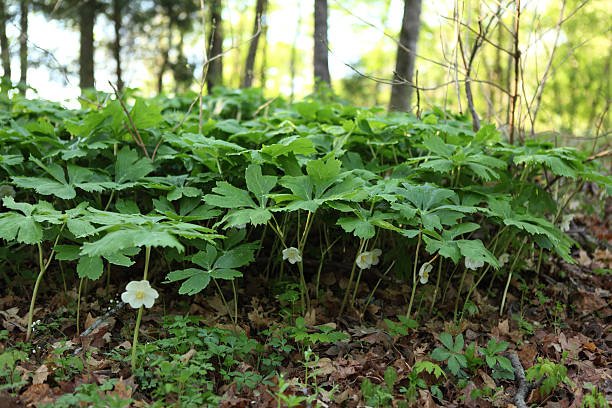
Eventually, you’ll spot the yellow “apple” fruit. While ripe fruit can be eaten (though it upsets some stomachs), everything else – leaves, roots, stems, and green fruit – contains deadly podophyllin toxin.”
When encountering Mayapples, exercise caution. Only fully ripened fruit is potentially edible (in moderation and properly prepared). Leaves, roots, stems, and unripe fruit contain toxic podophyllin and should never be consumed
Pokeweed: A Southeastern Tradition with Risks
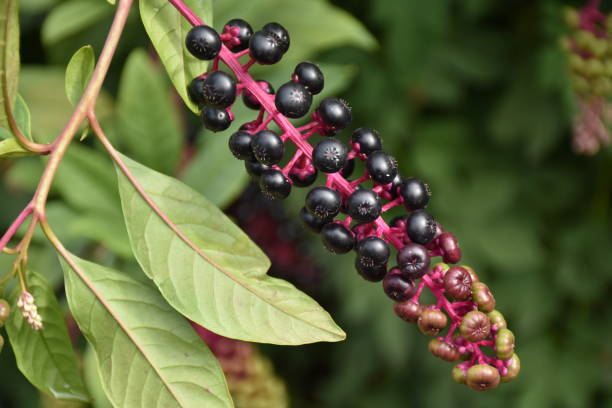
Pokeweed’s a tricky customer. Old-timers who gather ‘poke sallet’ (those spring shoots) know you’ve got to boil them three times at least, throwing out the water each time to wash away the poison. Only these properly prepared young shoots are considered edible by some foraging experts. The rest of the plant is bad news, especially those berries – they’ll kill pets and make people deathly ill. Unless someone who really knows their stuff showed you how to handle pokeweed, just walk away.
Sneaky Harmful Plants That’ll Ruin Your Easter
Some plants won’t kill you but will definitely wreck your day if you bump into them during Easter hiking.
Stinging Nettle: Love/Hate Relationship
I love nettle soup. It can be the best spring tonic ever. But the same plant has sent me home early from trips when I wasn’t paying attention. Those tiny hairs feel like fire when they hit the skin. I got my first nettle sting at 9 years old – cried for an hour after I fell into a big patch of it and my mother used calamine lotion to soothe the stinging. Now I double-glove to harvest it. Funny thing is, once you cook it, all that nasty sting disappears. Try telling that to someone who just got burned though!
Wild Parsnip: Sunshine’s Evil Twin
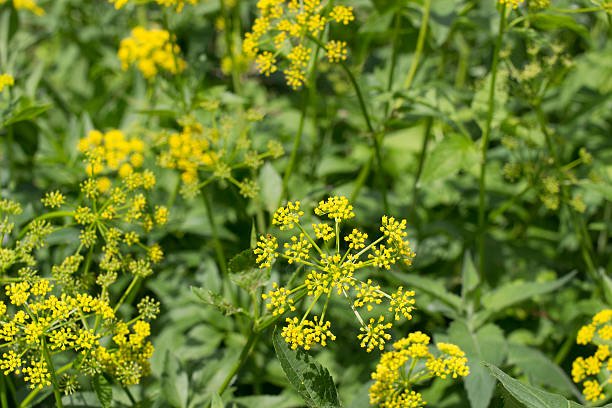
Wild parsnip demands caution. Its sap contains chemicals that react with sunlight, causing severe skin blisters that develop days after contact and last for weeks. Despite innocent yellow flowers, this plant shouldn’t be touched without gloves. Many mistake it for Queen Anne’s Lace, but wild parsnip causes painful burns that take weeks to heal.
Poisonous Berries: Early Fruit Dangers
Spring brings the first berries of the season, but some of the earliest aren’t meant for human consumption.
Baneberry: Beautiful but Lethal
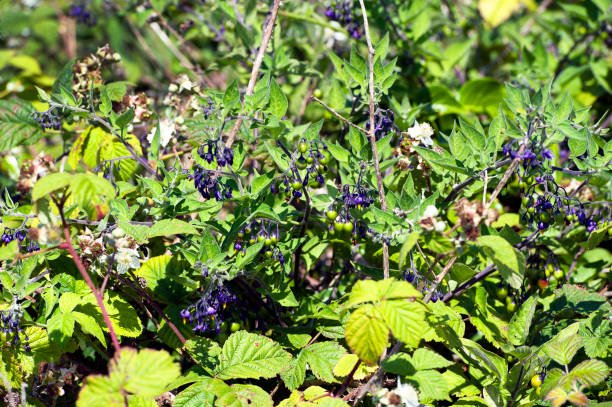
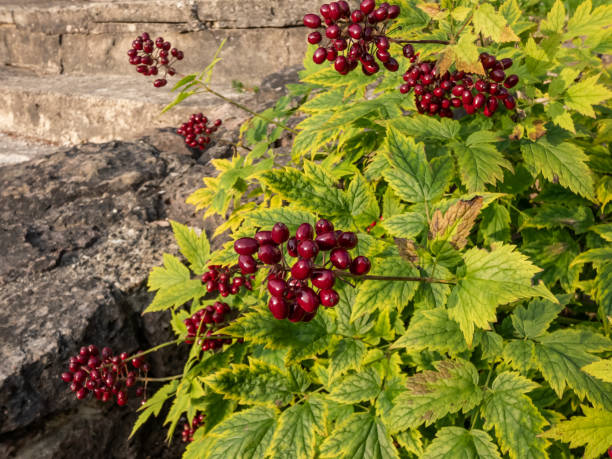
Baneberry (Actaea species) produces attractive white or red berries that can be tempting, especially to children. All parts of this plant contain protoanemonin and other toxins that can cause severe gastric distress, dizziness, and in severe cases, cardiac problems.
This plant requires special attention during family foraging walks in spring. Shiny baneberries often catch kids’ eyes, and they don’t know better than to pop strange berries in their mouths.
Essential Safety Practices for Spring Foraging
Experienced foragers recommend several key safety practices that wild food enthusiasts should follow, particularly when dealing with potentially harmful plants.
1. Triple-Check Identification
Safe foraging requires thorough plant identification. Experts recommend confirming at least three identifying characteristics before harvesting. With ramps (wild leeks), foragers should verify the broad, lily-like leaves, distinctive onion smell, and burgundy coloration where the leaf meets the bulb.
2. Use Multiple Resources
Seasoned foragers typically carry field guides and consult multiple sources for accurate plant identification. A well-prepared foraging kit should include at least two different plant identification books. Taking photographs for later comparison with reference materials at home adds an extra layer of verification.
3. Start with Easy-to-Identify Species
Beginners should start with unmistakable plants. Morels with distinctive honeycomb caps, ramps with their powerful garlic scent, and common dandelions make perfect first targets. These easy-to-identify species build confidence while minimizing risk – exactly what newcomers need before tackling trickier specimens.
4. Learn Your Local Killers
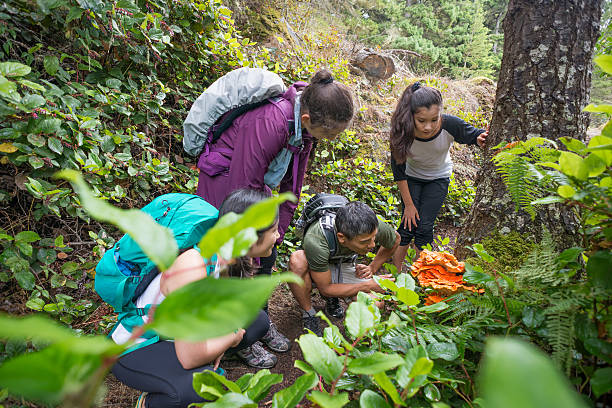
Northwest Territories toxic plants differ distinctly from other Canadian regions.You’ll need to hit the books hard on what can kill you locally before picking anything. I’ve noticed the nasty stuff changes completely as you move from frozen ground to forest. The plants don’t care if you made a mistake—they’ll poison you just the same. Study regional plant guides thoroughly and consult local experts when exploring unfamiliar territories within this vast northern landscape.
5. Consider the Environment
Always assess the environment for potential contamination. Plants near roads, factories, or sprayed parks soak up toxins from soil. Head deeper into the woods during spring – the further from civilization, the safer your harvest.
What to Do If Exposure to Harmful Plants Occurs
Despite careful identification, plant exposure incidents may occur. The following response protocols are recommended for various types of harmful plant contact:
For Skin Contact:
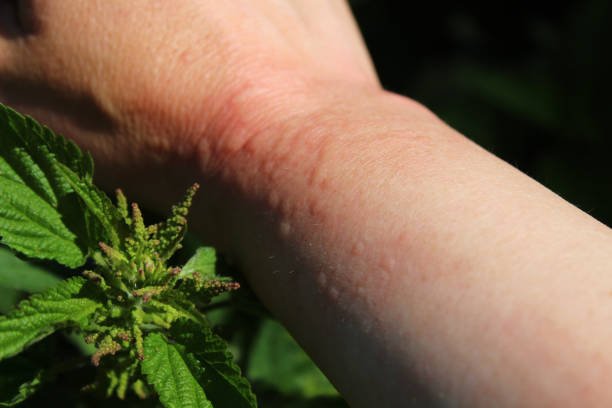
- Immediately wash the affected area with soap and cold water
- Remove any contaminated clothing
- Apply a cold compress if irritation develops
- For severe reactions, seek medical attention
For Ingestion:
- Call poison control immediately
- Do not induce vomiting unless specifically instructed to do so
- If possible, bring a sample of the plant (safely contained) for identification
- Seek emergency medical care without delay
I keep the poison control number saved in my phone and recommend others do the same before any foraging expedition.
The Joy of Safe Foraging
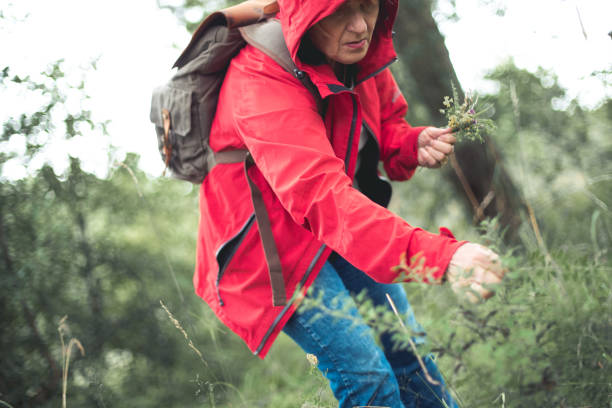
This information about potential dangers isn’t meant to discourage outdoor exploration during spring. Responsible foraging can be a rewarding activity when approached with proper knowledge. The shared experience of discovering, identifying, and preparing wild foods creates meaningful connections to nature and between participants. Many foragers describe the satisfaction of cooking freshly gathered morels as an unparalleled culinary experience.
Just respect these harmful plants like you’d respect a steep cliff or deep water. Learn the bad so you can enjoy the good. That’s it.
If you’re heading out this Easter, grab a decent field guide, take lots of pictures, and consider joining a local foraging or naturalist group. Connecting with experienced foragers provides valuable mentorship and enhances safety. Learn your area’s edible treasures and its poisonous traps. Both matter. Your first wild meal will taste even better knowing you harvested it safely. The knowledge you gain will enrich your outdoor experiences and might one day prevent a serious accident. Remember: nature offers incredible gifts, but also deserves our respect and careful attention. Safe foraging is responsible foraging—and that makes the wild foods you do harvest all the more satisfying.