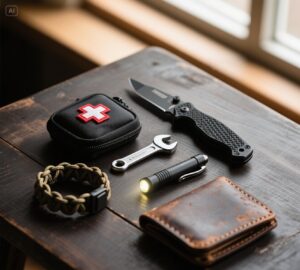

My interest in Everyday Carry (EDC) started with a simple understanding: you don’t need a full bug-out bag to be prepared for life’s surprises. It comes down to having a few reliable tools on you. The right gear can take an unexpected problem and make it nothing more than a quick fix. I’ve had times where something simple in my pocket saved me a lot of hassle—and once or twice, it’s done more than that.
The Foundation of My Everyday Carry Philosophy
My initial interest in daily carry stemmed from frustration with unpreparedness during routine situations, not elaborate emergency scenarios. The solution was simple: carry a backpack everywhere—work, errands, social activities. This wasn’t tactical equipment designed for wilderness emergencies, but practical urban preparedness.
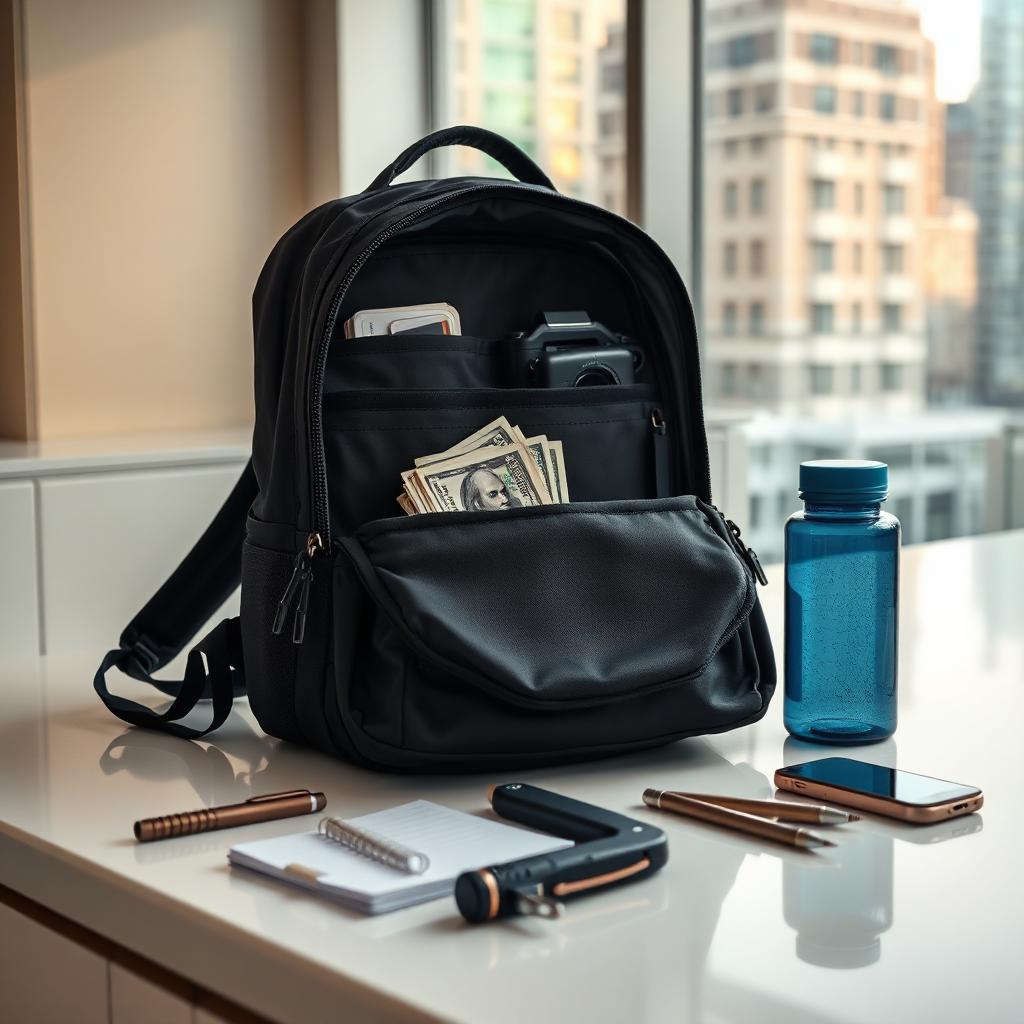
My backpack contents evolved organically. I began with basic tools that seemed potentially useful. Extra cash became standard—backup funds prove invaluable when technology fails or unexpected expenses arise. A knife earned its place early, not for dramatic purposes, but for everyday tasks: opening packages, cutting materials, handling various situations requiring a sharp edge.
The Day My Car Died: A Testament to Thoughtful Preparation
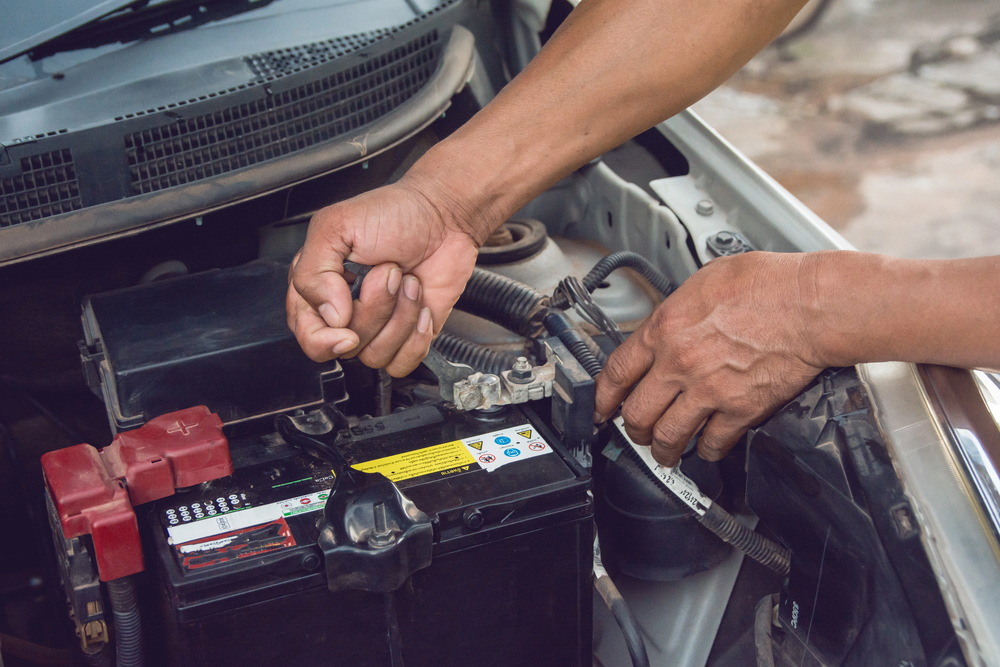
What should’ve been a quick run to the store turned into a solid reminder of why I keep a few tools on me. I walked out with my bags, went to start the car, and it was completely dead. No clicking, no struggling engine, nothing. For a second, I just sat there thinking about how much of a headache this was about to become.
Good thing I had an adjustable spanner in my bag. I threw it in there a while back and completely forgot about it. I’m no mechanic, but I remembered loose battery terminals can stop a car from starting. They looked fine, but I gave them a check anyway, and sure enough, one moved just a bit. I tightened it down, and that was all it took.
Turned the key and it started like nothing ever happened. Funny how that cheap spanner saved me from sitting there for hours waiting on a tow
It reminded me that you don’t need fancy or expensive gear for EDC to make sense. Sometimes the simplest tools are the ones that really save the day.
Learning to Streamline: The Evolution of My EDC
Like most people new to the concept of daily preparedness, I initially made the classic mistake of carrying too much. My early attempts at building a comprehensive kit resulted in a heavy, cumbersome load that made me less likely to actually carry everything I had assembled. The weight and bulk became counterproductive to the goal of being prepared.
The solution came through honest evaluation and gradual refinement. Every few months, I would empty my backpack completely and examine each item. If I hadn’t used something in the previous three or four months, it was removed from my regular carry. This process taught me the difference between theoretical utility and practical necessity.
Streamlining my kit wasn’t just about reducing weight – it was about understanding my actual needs versus my perceived needs. A multi-tool with fifteen different functions might seem impressive, but if I only use three of those functions regularly, a simpler solution often proves more practical.
Gaining Wisdom in the World of Preparedness
One of the most valuable aspects of developing an effective everyday carry system is observing what others choose to carry and why. I’m always interested in learning from other people’s experiences and gear choices. However, this learning process comes with inherent limitations – you can’t always see what someone else is carrying unless you specifically ask them to share their setup.
Most people carry bags filled with nothing more than books, work supplies, or personal items—not gear meant for preparedness. You won’t learn much just by seeing what other people carry. The real knowledge comes from talking to those who take EDC seriously and are open about what they use and why.
Essential Items That Most People Overlook
Through years of experience, I have identified several items that I consider absolutely essential for daily carry, yet many people overlook their importance.
The Critical Importance of a First Aid Kit
I keep a small first aid kit in my EDC, and honestly, it’s saved me more than once. Cities are full of little hazards—cracked sidewalks that trip you up, bits of glass or metal that slice skin, rough concrete that leaves scrapes. A couple of bandages, some ointment, and a few other basics can stop something small from turning into a real issue.
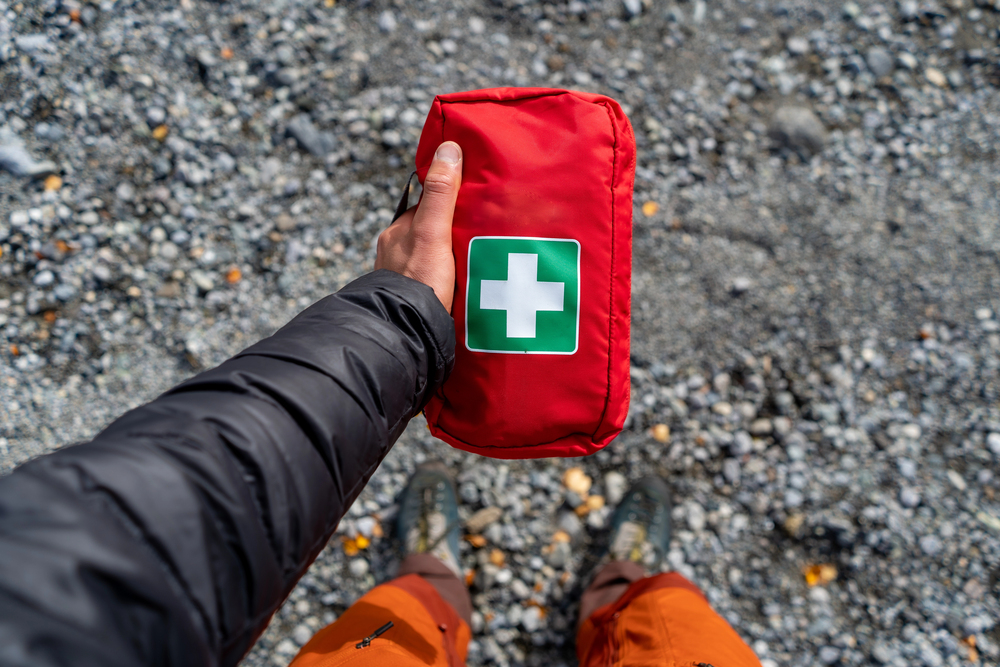
Back when I worked as an emergency medical responder, I saw this play out all the time. Sure, ambulances carry everything, but those first few minutes? They matter. That’s why I always carry a kit, even if I’m just out running errands in what seems like a perfectly safe neighborhood.
The Versatility of a Small Tool Kit
A carefully selected small tool kit provides enormous utility for daily situations. I don’t carry heavy multi-tools crammed with features I’ll never use. I stick to what’s practical. When I’m cycling, most repairs only need two or three Allen wrench sizes. A compact folding bike tool with the right wrenches, a couple of screwdrivers, and a chain splitter has handled almost every repair I’ve faced.
The same idea applies to daily life. Most nuts, bolts, and screws fall into just a few common sizes. Once you recognize that, you can carry a small, efficient set of tools instead of hauling around unnecessary weight.
Tactical Pens: Discrete Multi-Function Tools
Tactical pens represent an excellent example of discrete, multi-function outdoor gear. These tools appear as ordinary writing instruments but often include features like small LED torches, concealed blades, or even glass-breaking tips. They provide enhanced capability without drawing attention or raising concerns in social situations where more obvious tools might be inappropriate.
Adapting to Legal and Social Restrictions
Carrying gear in the real world isn’t just about picking the best tools—it’s about knowing where you can legally and socially carry them. Air travel is the clearest example. A pen knife or tactical pen might be fine in everyday life, but try bringing one through airport security and you’ll quickly find out otherwise.
I once forgot to move a tactical pen from my carry-on to my checked bag. Security flagged it during screening, and that was the end of it—no warning, no option to send it back. They confiscated it on the spot. Losing it was frustrating, but it drove home an important point: you need to think ahead and adjust your carry for where you’re going.
The trick is to plan for these situations without giving up too much utility. That might mean swapping out certain tools when traveling or being more selective about what you carry in certain places.
Smart Spending on Daily Preparedness
Price doesn’t always correlate with utility when it comes to everyday carry gear. I learned that expensive multi-tools with numerous features often provide less practical value than simpler, more focused alternatives. Complex tools may include many functions, but if most of those functions remain unused, the extra cost and complexity become disadvantages rather than benefits.
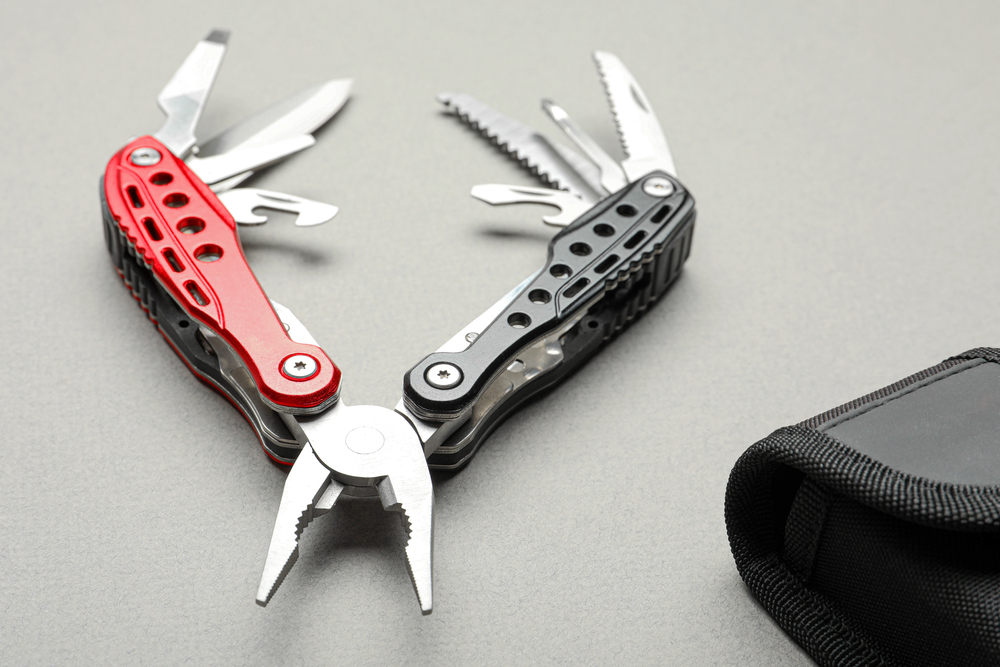
The most cost-effective approach focuses on identifying your actual needs rather than trying to prepare for every conceivable situation. A simple, reliable knife might serve you better than an expensive multi-tool. A basic first aid kit with essential supplies provides more value than a comprehensive medical kit that you’re not trained to use properly.
The Community Benefits of Being Ready
One of the best parts of keeping a well-thought-out everyday carry setup is being able to step in when someone else needs help. I’ve handed out bandages to people who tripped and scraped themselves up, and once gave someone antiseptic when they gashed their hand on a railing. A couple of times, I’ve stopped mid-ride to help another cyclist—tightened a loose chain, tweaked someone’s brakes with my bike tool kit.
That’s when you realize EDC isn’t just about making life easier for yourself. It’s about being useful when someone else needs a hand. Carrying a little extra weight doesn’t seem like much of a trade-off when you can fix a problem right there and then. People notice—and even if they’re strangers, in that moment, they know they can count on you.
My EDC’s Transformation: Lessons Learned as a Firefighter and Responder
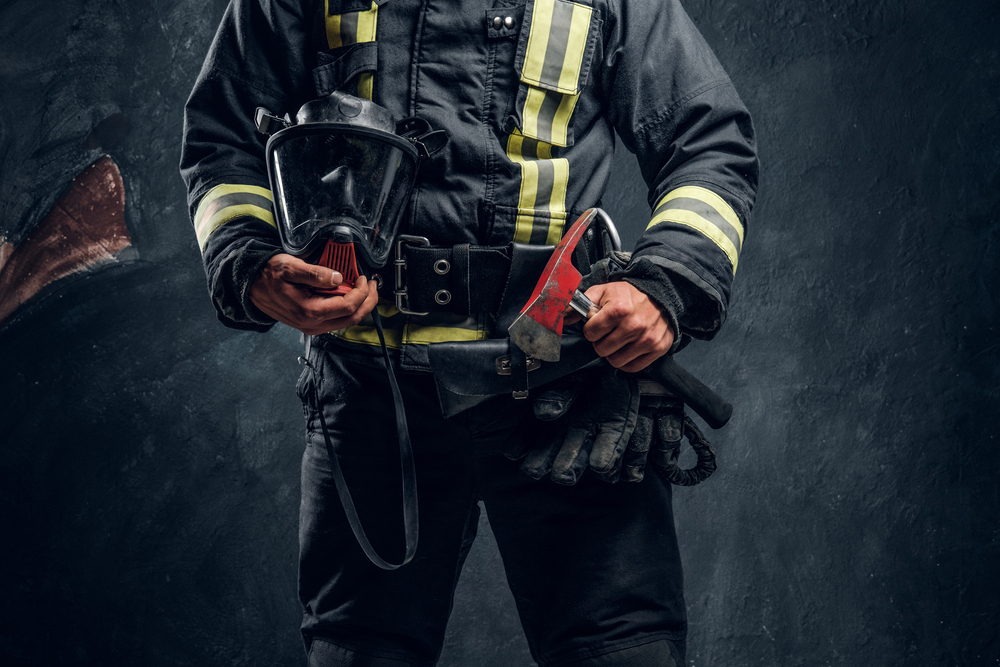
The way I approach daily carry has changed a lot over the years. My time with the fire department and my work as an emergency medical responder had a big influence on that. The biggest shift? I never leave without a first aid kit anymore—it’s become a permanent part of what I carry every day. Working alongside ambulances and seeing their comprehensive medical equipment made me realize the value of having even basic medical supplies readily available.
That experience also drove home how important it is to keep a small tool kit on hand. In emergency work, you see all the time how something as simple as the right tool can be the difference between getting the job done or not being able to help at all. These lessons translated directly into my civilian daily carry philosophy.
My Essential Five-Item Everyday Carry
If I had to narrow my daily carry down to just five items, I’d choose based on what years of experience and professional training have taught me to rely on. My choices would be:
- An axe – For situations requiring serious cutting power or emergency access
- A knife – The most versatile tool for countless daily tasks
- A first aid kit – Essential for medical emergencies and minor injuries
- A fire starter – Critical for warmth, cooking, and emergency signaling
- A small tool kit – Mechanical problems require mechanical solutions
This setup strikes a balance between daily usefulness and emergency readiness. It’s meant to handle ordinary problems you might run into as well as the occasional serious situation. It’s more gear than most people carry in an urban setting, but real preparedness means being ready for whatever comes your way.
Balancing Needs and Practicality
Everyday carry is not the same thing as a bug out bag, and that’s worth remembering. EDC is about what you can actually keep on you during a normal day—practical items that solve small problems or help in minor emergencies. A bug out bag is a different story; that’s for long-term survival and loaded with gear you’d never haul around every day.
Good EDC is about finding that middle ground. You don’t need to prepare for every disaster out there. Focus on the things you’re actually likely to deal with. Think about your daily life—where you go, what you do, and what you’ll actually use. People love to talk about worst-case scenarios, but the truth is, most of those situations never happen.
Principles for a Personalized Approach to Daily Readiness
Building an everyday carry setup means paying attention to your own routine, not copying someone else’s. What you carry should fit your environment and the problems you’re most likely to face. What works for me might be useless for you—and that’s exactly how it should be.
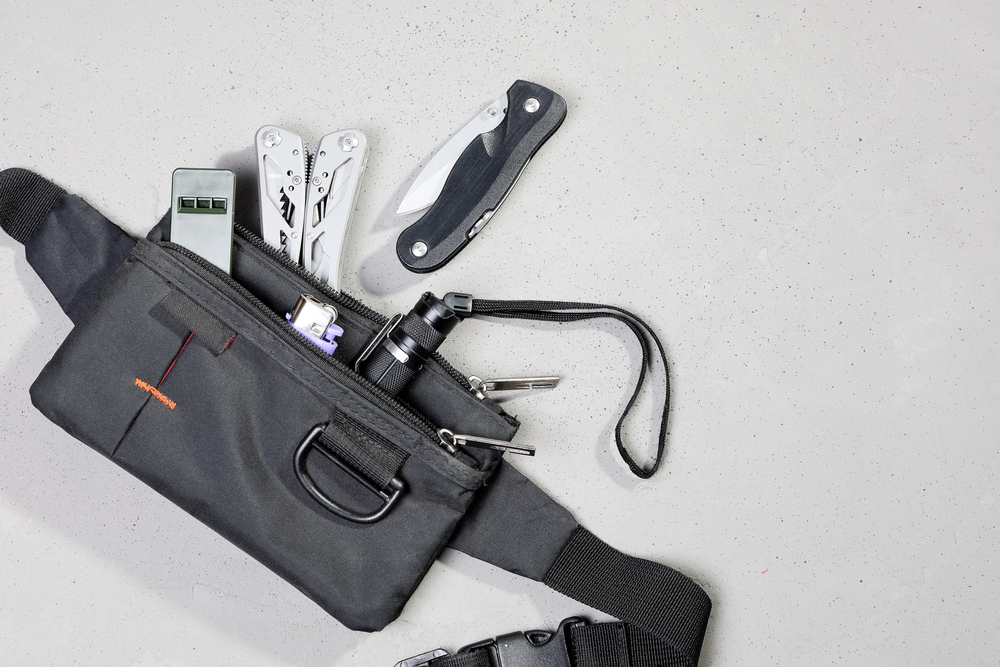
Three simple rules guide my EDC: choose reliable tools over flashy gadgets, carry items that can handle more than one job, and keep track of what actually gets used instead of what just seems useful. This keeps my load practical—light enough to carry every day but ready for real problems.
Being prepared doesn’t mean changing your lifestyle; it just means making smart choices about what stays in your pocket or bag. A few good tools have saved me countless times—fixing a bike chain, bandaging a cut, and solving small problems before they turned into big ones.
Be mindful of what you use day to day. Keep what earns its place, drop what doesn’t, and keep adjusting as you go. The goal isn’t to be ready for every disaster—just the situations you’re most likely to run into, plus being able to help someone else if you get the chance
Look at what’s in your bag right now. What do you actually use? What’s just taking up space? Trade one useless item for something that could genuinely help.