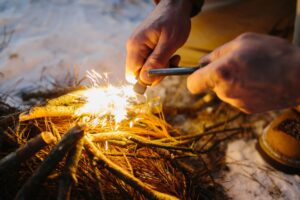
The Primal Spark of Survival
A Fire-Starting Challenge in the Wild
I remember the time I guided a group of German tourists on an overnight canoe trip up the Yukon River in Canada. It had been raining all day, and by the time we reached our campsite, everything was damp. The cold crept in as we unpacked, and I knew that getting a fire going was more than just a comfort—it was a necessity. Having the best fire starters for survival would have made this situation much easier.
I had taken a few weekend courses on primitive survival skills, where I learned about using sticks, a flat piece of wood, and cord to create a bow drill. I had practiced generating heat by friction, coaxing a small ember into a flame. That night by the Yukon River, those skills were put to the test. After what felt like ages, I managed to ignite a fire despite the wet conditions. The relief was instant, and the group’s applause confirmed what I already knew—fire is everything in the wild.
The Lifeline That Fire Provides
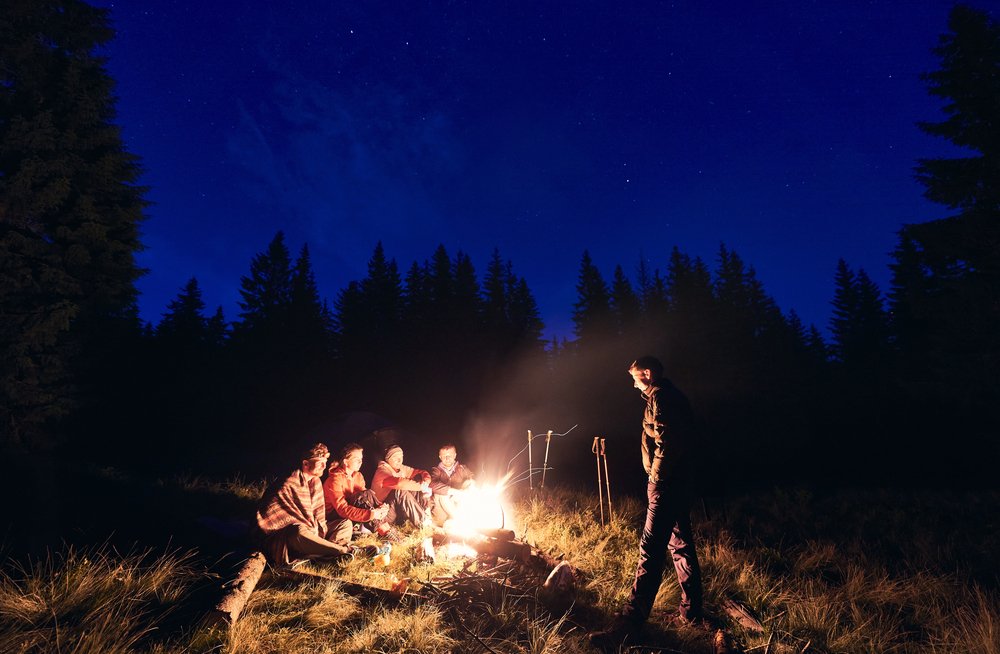
Fire provides warmth, security, and a way to cook food, turning a potentially miserable night into a manageable one. It is more than a convenience; it is a fundamental survival tool. A well-built fire can prevent hypothermia, act as a deterrent against wildlife, and even serve as a signal for rescue teams in emergencies. Fire is also a crucial morale booster when facing harsh weather and challenging conditions, offering comfort and a sense of control over the environment.
The Importance of Fire in Outdoor Survival
For anyone venturing into the outdoors, fire-starting is not just an optional skill—it’s essential. Whether you’re a seasoned adventurer or a casual camper, having reliable fire-starting tools can make the difference between a safe, comfortable night and a potentially dangerous situation.
This article explores the top 10 fire starters that every outdoor enthusiast should know about, from traditional methods to modern innovations. Understanding these tools ensures that you’ll always be prepared to spark a flame, no matter the conditions. In addition to reviewing different fire-starting techniques, we will also examine the best practices for building, maintaining, and safely extinguishing fires in various environments.
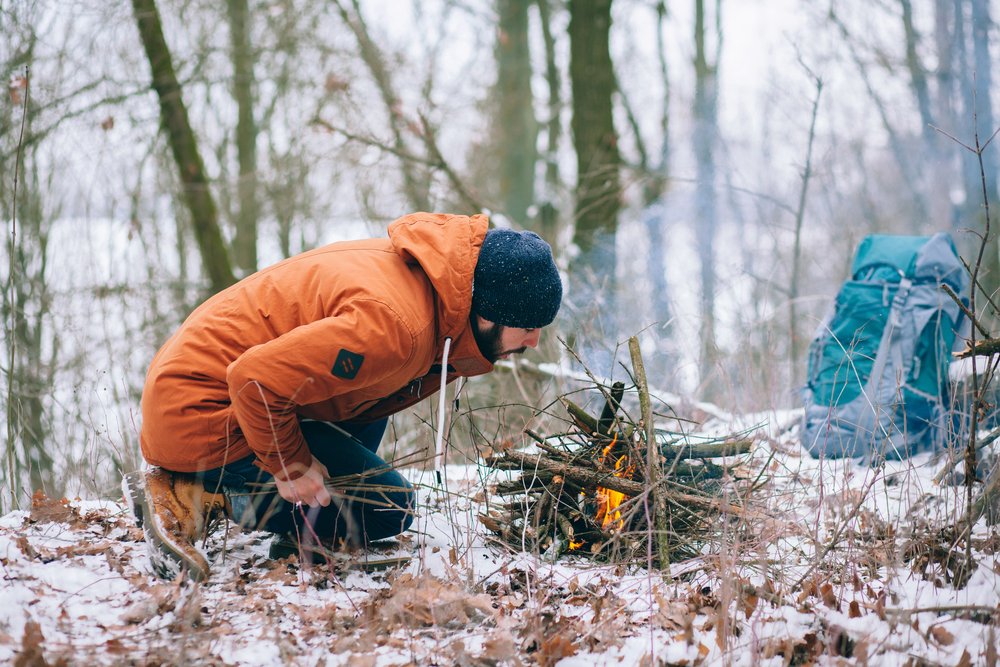
Essential Fire Starters: More Than Just a Flame
Fire is a fundamental survival tool, offering benefits that extend beyond warmth. Its role in outdoor survival cannot be overstated. A well-maintained fire serves multiple purposes, some of which may mean the difference between life and death in extreme conditions.
The most immediate advantage of fire is the warmth it provides. In cold environments, prolonged exposure can lead to hypothermia, a condition that rapidly becomes life-threatening. A fire not only helps regulate body temperature but also serves as a psychological anchor, offering comfort and boosting morale. Knowing that warmth is within reach alleviates stress and allows outdoor enthusiasts to focus on other important survival tasks.
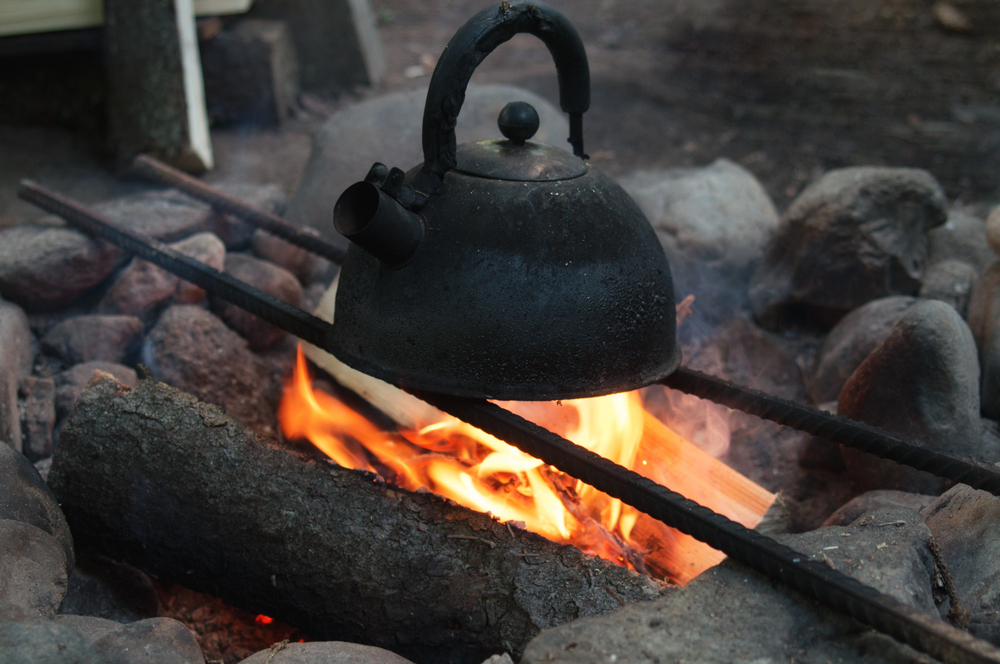
Another vital function of fire is cooking. In the wild, consuming raw or improperly prepared food can lead to serious health issues, including foodborne illnesses. Fire ensures food is cooked thoroughly, eliminating harmful bacteria and parasites. Beyond its role in cooking, fire is also crucial for water purification. Water sources in the wild may contain dangerous pathogens, and boiling is one of the most effective ways to make water safe for consumption.
Fire can also be used as a signaling tool in emergency situations. A large, controlled fire with added green vegetation creates thick smoke, increasing the chances of being spotted by rescuers. Additionally, fire acts as a deterrent against wildlife, as many animals instinctively avoid flames. This can be especially helpful when camping in areas where predators may pose a risk.
Choosing the Right Fire Starter
Selecting the right fire starter requires careful consideration. When evaluating the best fire starters for survival, it’s important to factor in reliability, ease of use, durability, portability, and environmental impact.
A fire starter must be dependable in various weather conditions, including rain and strong winds. Some methods require more practice than others, so ease of use is another critical element. Additionally, durability plays a role in how long a fire starter will last, while portability is essential for backpackers and survivalists who need to travel light. Finally, choosing environmentally responsible methods helps minimize human impact on natural areas.
The Top 10 Fire Starters: Igniting Survival Skills
Igniting Survival Skills Here are the best fire starters for survival that every outdoor enthusiast should consider:
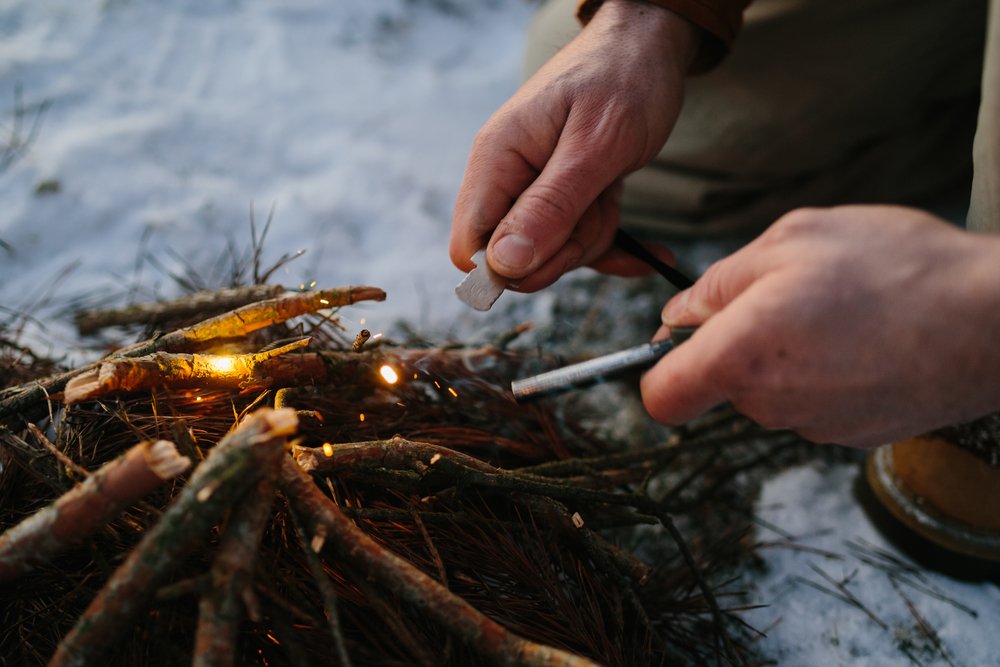
1. Ferro Rods (Ferrocerium Rods)
These rods generate extremely hot sparks when struck with a metal scraper or knife. They are durable, function well in wet conditions, and require practice to master.
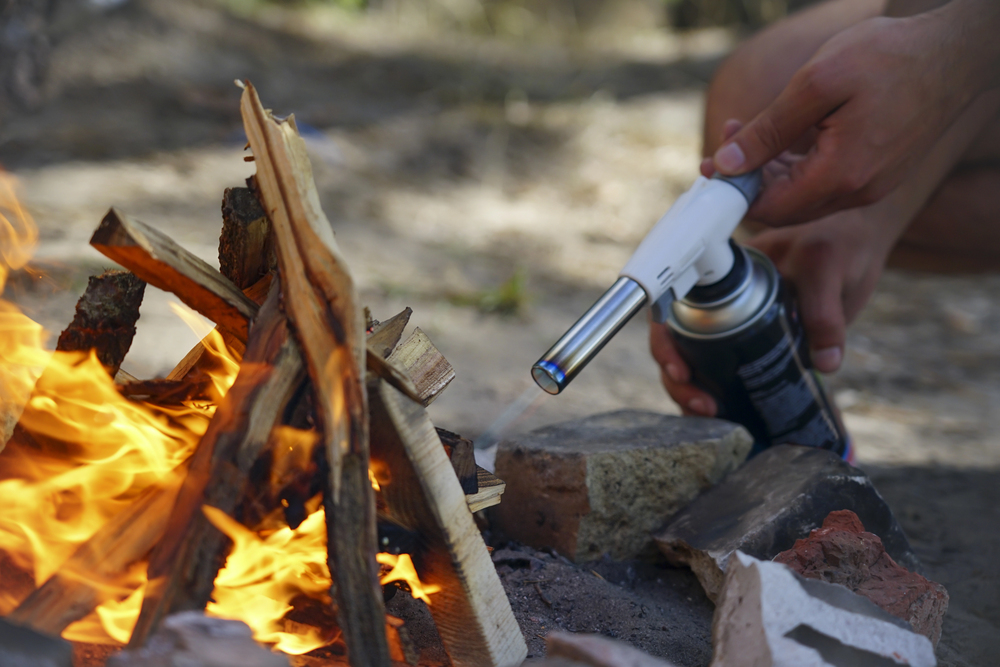
2. Butane Lighters
Convenient and easy to use, butane lighters provide an instant flame. However, they may be less reliable in cold temperatures or high altitudes.
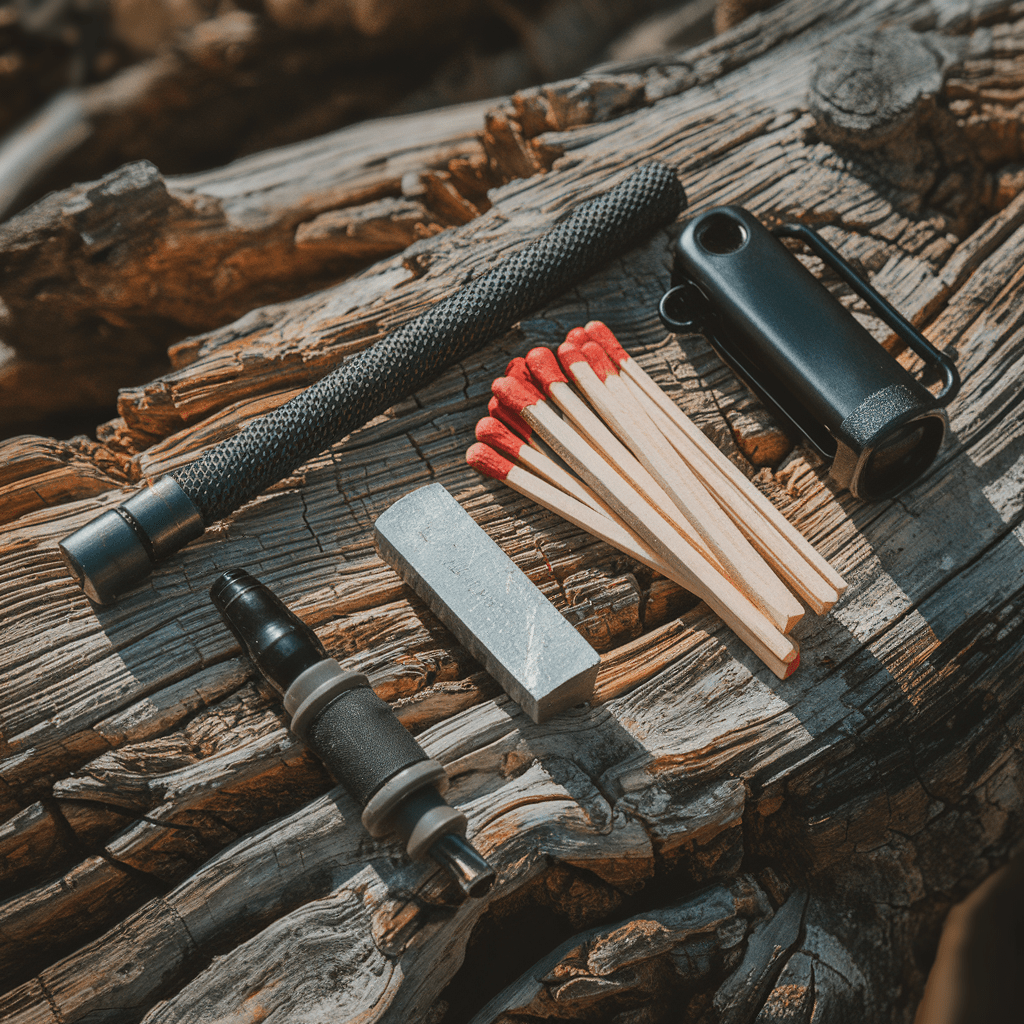
3. Waterproof Matches
Classic but effective, waterproof matches have a water-resistant coating that ensures ignition even in damp environments.
4. Cotton Balls with Petroleum Jelly
An inexpensive and effective fire starter that burns for an extended period, allowing kindling to catch fire effectively.
5. Commercial Tinder Tabs
These pre-packaged tabs are waterproof, burn for a long time, and are ideal for backpacking and emergency situations.
6. Magnesium Fire Starters
Shaving magnesium flakes and igniting them with a spark produces an intense flame, even in wet conditions.
7. Fire Pistons
Using air compression to generate heat, fire pistons are durable but require very fine tinder and a learning curve.
8. Solar Lighters
Harnessing sunlight, these lighters are environmentally friendly but only work in bright conditions.
9. Alcohol-Based Hand Sanitizer
Highly flammable and dual-purpose as a disinfectant, hand sanitizer can be an effective emergency fire starter.
10. DIY Wax and Sawdust Fire Starters
Homemade and cost-effective, these starters burn slowly and are great for extended outdoor trips.
Real-Life Stories: Survivalists Saved by Fire
The Endurance of Leon Crane
In December 1943, Leon Crane, a test pilot and former B-24 co-pilot, faced a harrowing ordeal in the Alaskan wilderness. After his aircraft crashed, Crane found himself alone in subzero temperatures with minimal supplies: a Boy Scout knife, two packs of matches, and his parachute. For days, he relied on his limited fire-starting tools to stave off hypothermia, melting snow for drinking water and cooking any available food. His ability to consistently start fires in such extreme conditions was crucial to his survival until he eventually found shelter and was rescued.
Ed Pulaski and the Great Fire of 1910
During the catastrophic Great Fire of 1910, U.S. Forest Service ranger Ed Pulaski demonstrated remarkable leadership and survival instincts. As the fire overwhelmed his 45-man crew in the forests of Idaho, Pulaski led them to an abandoned mine shaft. There, he used his knowledge of fire behavior to manage the limited oxygen and prevent smoke inhalation, keeping the entrance partially covered while maintaining a small, controlled fire for warmth. His decisive actions and understanding of fire dynamics saved all but five of his men from certain death.
These accounts highlight the indispensable role of fire-starting skills and knowledge in survival situations. Whether stranded in freezing temperatures or facing a fast-approaching wildfire, the ability to effectively manage fire can mean the difference between life and death.
Tips for Maximizing Fire-Starting Success
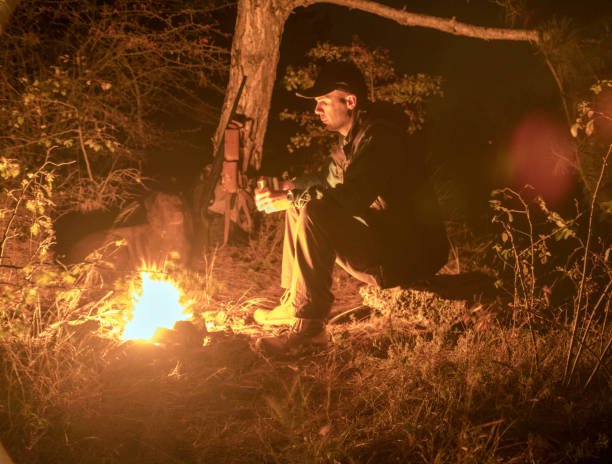
Even with the best fire starters for survival, proper technique is essential.
Use Dry Tinder: Store tinder like birch bark or cotton balls in a waterproof container.
Build a Proper Fire Lay: Teepee, log cabin, or lean-to structures ensure airflow for easier ignition.
Account for Weather Conditions: Keep kindling protected from moisture and wind.
Practice Fire Safety: Always clear the area around your fire and keep water or dirt nearby to extinguish it safely.
Applying these techniques will improve your fire-starting skills and enhance your ability to stay safe in the wilderness.
Final Thoughts
We’ve explored ten essential fire-starting tools, ranging from ferrocerium rods to petroleum-soaked cotton balls—each capable of making the difference between comfort and crisis in the wilderness. The experiences of Leon Crane in the Alaskan wilderness and Ed Pulaski during the Great Fire of 1910 remind us that mastering these techniques isn’t just about convenience—it’s about survival.
I learned this truth on that rainy night by the Yukon River, where every damp piece of wood tested my skills and determination. These challenges taught me that true preparedness goes beyond carrying the right tools—it’s about developing judgment to use them wisely and working with nature rather than against it. Whether you’re a weekend camper or wilderness explorer, each fire you start connects you to our ancestors who first tamed this elemental force.
Stay safe, keep practicing, and respect the flame. In mastering fire-starting, we learn not just to survive, but to understand our place in the natural world.