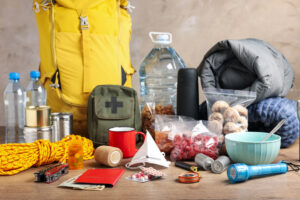
I didn’t expect to become fascinated with bug-out bag essentials. It started small—just a flashlight and some batteries after a storm knocked out power. Now I’ve got waterproof matches, filtration straws, and enough energy bars to feed the block. Having a plan gives me peace of mind. I’m better at spotting trouble coming – useful for everything from work crises to those cross-country drives I love taking.. Not what I planned to get into, but here we are.
When Disaster Strikes Close to Home
It all began on an autumn morning in 2019. While sipping coffee and scrolling through the news, a headline caught my eye: “Massive Earthquake Strikes West Coast.” My heart sank. My friend Clark lived there.
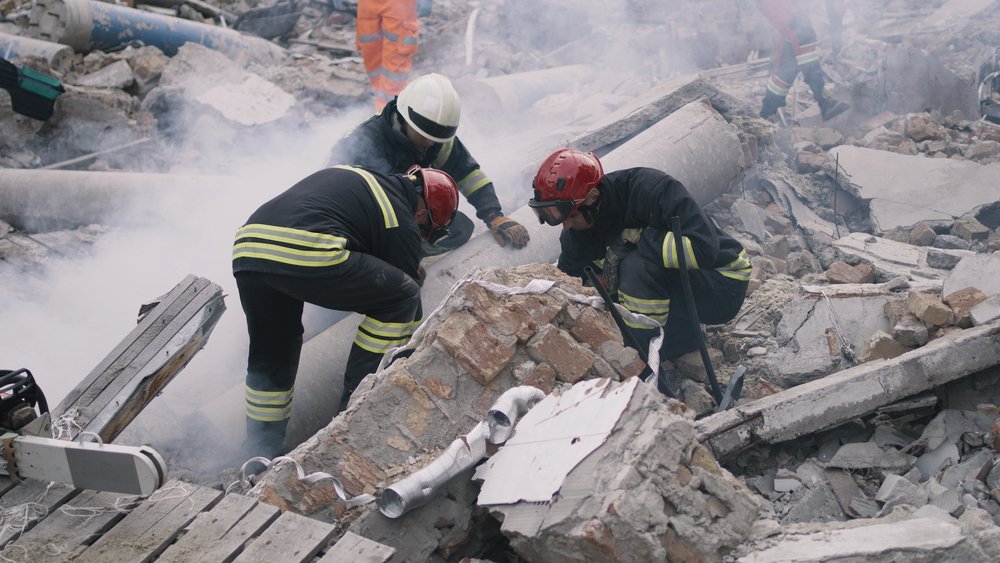
For 72 hours, I desperately tried to contact him. No luck. When he finally called, his voice shaky but alive, I vowed never to be caught unprepared again.
Baby Steps: My First Bug-Out Bag
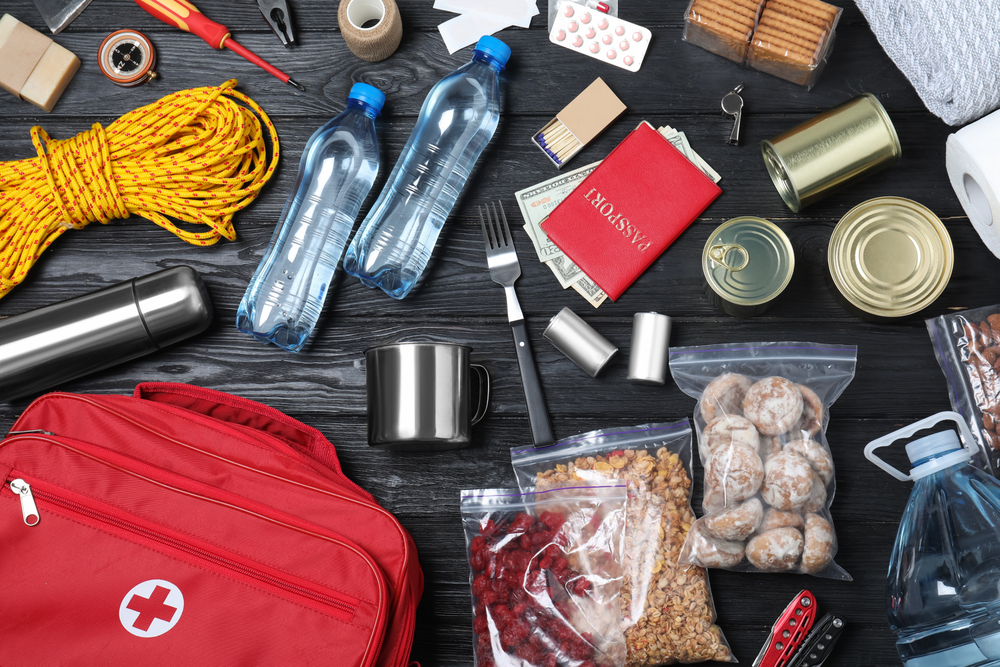
I dove intoemergency preparedness, starting with creating a bug-out bag (BOB). For newcomers, a BOB is an emergency kit designed to sustain you through the first 72 hours of a disaster.
My first attempt was… enthusiastic but misguided. I stuffed a giant hiking backpack with canned foods, a flashlight, batteries, a first aid kit, and even my laptop. It weighed a ton, and I doubt I could’ve made it out my front door in an actual emergency.
Looking back, I chuckle at my naivety. I had the right idea, but my execution was off. I hadn’t considered the practicality of carrying a 50-pound bag or the need to move quickly in a real emergency.
Learning from the Pros
Realizing I needed guidance, I reached out to local emergency management experts and attended community preparedness workshops. That’s where I met Sandra, a seasoned survivalist who became my mentor.
“Ian,” she said, eyeing my overstuffed backpack, “a bug-out bag isn’t about packing your entire life. It’s about smart choices and innovative solutions.”
She introduced me to the “5 Cs” of survival:
- Cutting tool
- Combustion device
- Cover
- Container
- Cordage
Sandra explained that these basics, combined with knowledge and creativity, could address most survival needs.
The Tech Revolution: Innovative Bug-Out Bags
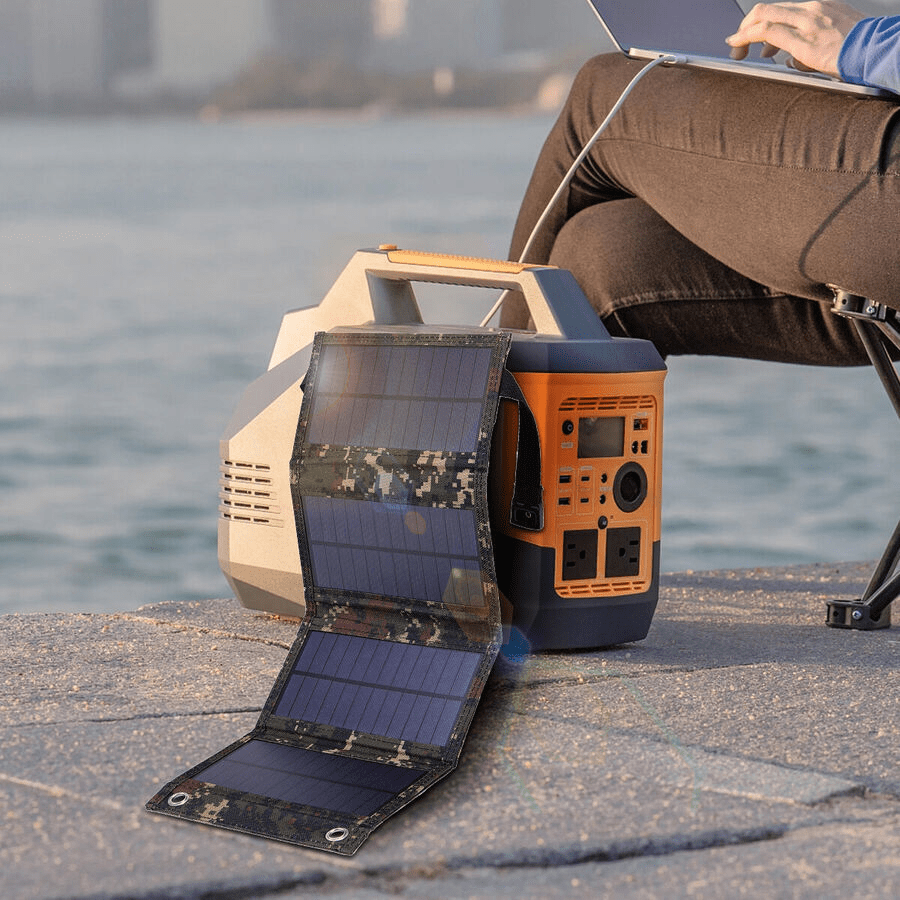
As I explored emergency preparedness, I discovered high-tech gear designed for disaster situations. It felt like stepping into a spy movie!
One game changer was the solar-powered charger. In our device-dependent world, keeping phones and gadgets running during an emergency is crucial for communication and navigation. I invested in a compact, rugged solar charger that could power my phone even on cloudy days.
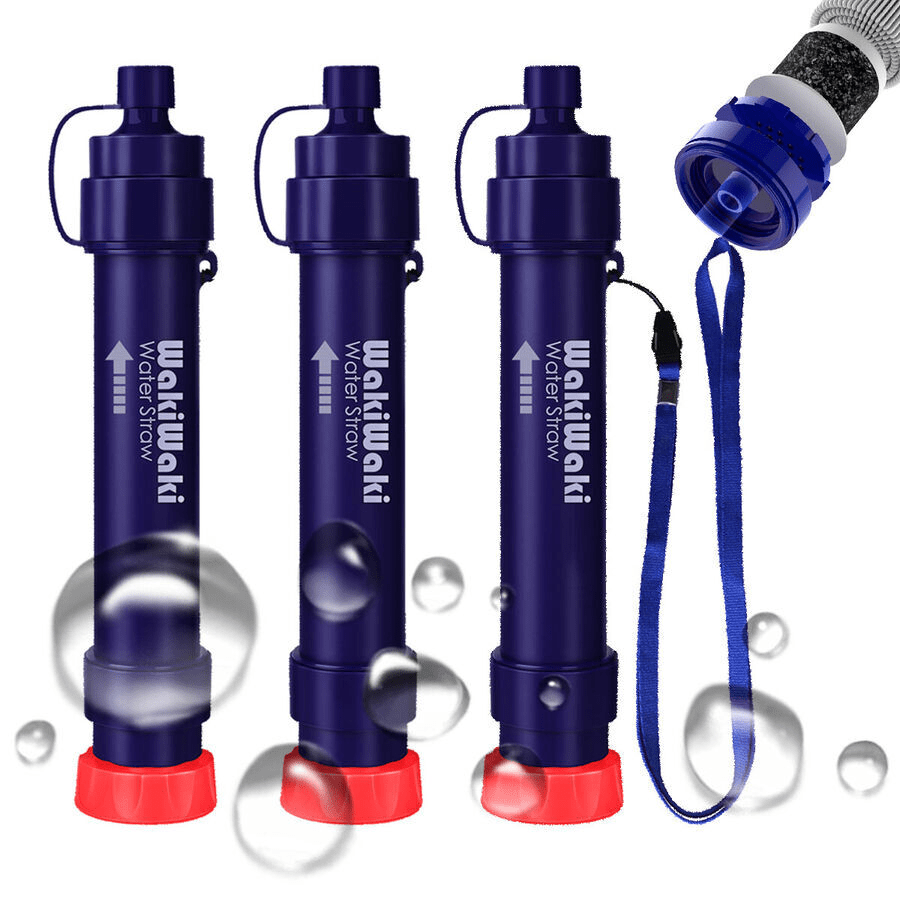
Another marvel was a water purification straw. This device allows you to safely drink from almost any water source—streams, lakes, even muddy puddles. It’s like having a mini water treatment plant in your pocket!
Other tech additions included:
- A hand-crank emergency radio doubling as a flashlight and phone charger
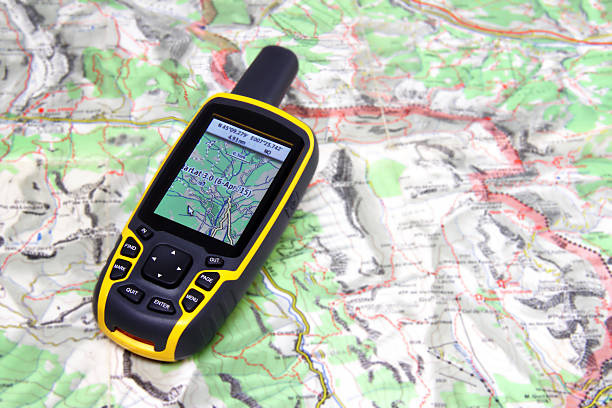
- A Global Positioning System GPS device with preloaded topographic maps
- A compact drone for aerial scouting (maybe I got carried away, but it’s cool!)
These items were lighter, more versatile, and often served multiple purposes—crucial factors when every ounce and inch of space counts in your bug-out bag.
The Great Backyard Bug-Out Test
Excited about my new gear, I decided to test it. I set up a mock emergency scenario in my backyard, relying solely on my bug-out bag for 24 hours.
It was eye-opening. Some things worked brilliantly—my water purification system was a champ, and the solar charger kept my devices running smoothly. But I also realized I’d overlooked some crucial items.
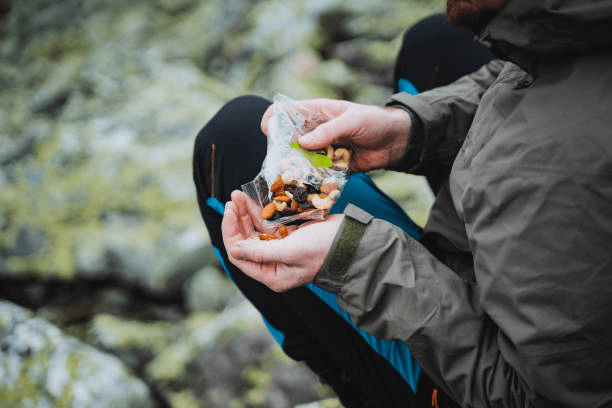
I hadn’t packed enough food. Energy bars and trail mix are great, but after 12 hours, I craved something more substantial. I also discovered the importance of comfort items. A good night’s sleep can make all the difference in a stressful situation, and my thin emergency blanket wasn’t cutting it. The experience taught me valuable lessons about the realities of survival situations. It’s one thing to have gear; it’s another to know how to use it effectively under pressure. Regular practice and familiarity with your equipment can make a huge difference when it counts.
Fine-Tuning My Kit: The Evolution of My Bug-Out Bag
Learning from my backyard adventure, I refined my bug-out bag. Here’s what made the cut:
- Water and Purification: A 3-liter water bladder and water purification straw
- Food: high-calorie energy bars, freeze-dried meals, and comfort snacks
- Shelter: lightweight tent, sleeping bag, and inflatable sleeping pad
- First Aid Kit: Bandages, prescription medications, and a compact wilderness medicine guide
- Tools: multi-tool, fixed-blade knife, and firestarter
- Clothing: Quick-dry, layerable clothing for various weather conditions
- Communication: Hand crank emergency radio and solar charger for my phone
- Navigation: topographic maps, compass, and GPS device
- Important Documents: Copies of ID, insurance info, and emergency contacts in a waterproof container
- Cash: A mix of small bills and coins
The most important addition wasn’t physical—it was knowledge. I took first aid courses, studied local edible plants, and practiced essential survival skills regularly.
This refined kit was a far cry from my initial overpacked monstrosity. Each item was chosen for its versatility and efficiency. Everything had at least two uses—my emergency blanket, for example, could serve as shelter, a signaling device, and a water collector.
I learned to adapt my kit based on location and season. Living in a wildfire prone area meant prioritizing waterproof gear and flotation devices. In winter, I swapped out some items for cold-weather equivalents.
Beyond the Individual: Community Preparedness
As I became more involved in disaster readiness, I realized we’re stronger together. I started attending local Community Emergency Response Team (CERT) meetings and was amazed by the collective knowledge and resources.
We organized neighborhood preparedness fairs, sharing tips for creating effective bug-out bags. It was heartening to see families working together, kids excitedly packing their own mini emergency kits.
One project I’m proud of is our community cache. We pooled resources to create a shared supply of emergency equipment—things too bulky or expensive for individual bug-out bags, like generators and large water filtration systems.
The sense of community that developed was incredible. We weren’t just neighbors anymore; we were a team, ready to face challenges together. We set up a neighborhood communication plan, designating meeting points and establishing a system to check on vulnerable residents in emergencies.
Adapting to Change: The COVID-19 Curveball
Just when I thought I had mastered the art of readiness, 2020 hit. The COVID-19 pandemic taught us that crises don’t always match our expectations.
Suddenly, our bug-out bags needed new additions: face masks, hand sanitizer, and even toilet paper. It was a stark reminder that we need to stay flexible and adapt our preparedness strategies to new threats.
The pandemic highlighted the importance of home preparedness. While our bug-out bags were designed for evacuation scenarios, we now needed to consider extended periods of sheltering in place. This led to a new aspect of emergency planning: creating a well-stocked and organized home emergency kit.
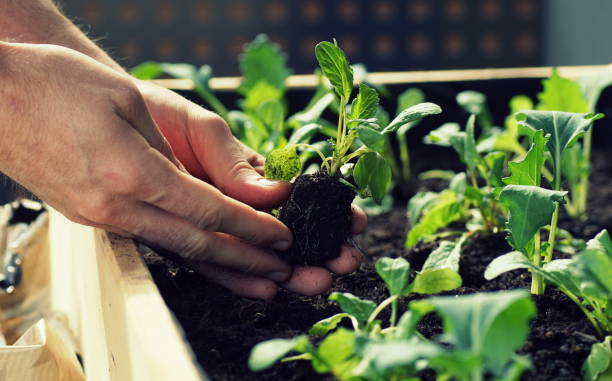
We learned to balance immediate needs with long-term sustainability. I started a small vegetable garden and learned basic food preservation techniques. These skills provided a sense of security during uncertain times and connected me more deeply with my food sources.
Living through a global pandemic reshaped my understanding of preparedness. It wasn’t just about surviving in the wilderness anymore; it was about resilience in the face of prolonged, society-wide disruptions.
The Psychological Side of Preparedness
Through all of this, I’ve learned that emergency preparedness isn’t just about physical survival—it’s also about mental resilience. My bug-out bag now includes items for psychological comfort: a deck of cards, a small notebook and pen for journaling, and photos of loved ones.
I’ve also learned the importance of practicing scenarios. Regular drills with my family have honed our skills and reduced anxiety about potential disasters. There’s comfort in knowing you have a plan.
The psychological benefits of being prepared extend beyond crisis situations. There’s a deep sense of peace that comes from knowing you’re ready to face challenges. This mindset has spilled over into other areas of my life, making me more proactive and resilient in dealing with everyday stresses.
Looking to the Future: What’s Next for Bug-Out Bags
Bug-out gear keeps improving every year. The water filters available now are incredible – compact, lightweight, and effective against more contaminants than ever before. Many outdoor stores carry multi-tools that combine several functions while remaining small enough to clip onto a belt loop.
I’ve noticed more companies focusing on sustainable materials. Some emergency blankets now biodegrade after several years instead of sitting in landfills indefinitely. This matters if we’re truly preparing for the long-term health of our environment.
Technology helps, but balance is key. Offline navigation tools are valuable, but knowing how to read a paper map remains essential. The best approach combines modern innovations with traditional skills that don’t require batteries or signal.
The Prep Mindset
Prepping changes your perspective. I’ve become more observant of my surroundings and better at anticipating potential problems before they develop. This awareness helps in everyday situations, not just emergencies.
Begin with basics if you’re new to this. A reliable water bottle, shelf-stable food you’ll actually eat, basic first aid supplies, and some form of shelter or weather protection make a solid foundation. My own kit developed gradually as I researched and tested different options.
Community preparation makes a difference. When neighborhoods work together, sharing knowledge and resources, everyone becomes more resilient. Individual preparation is important, but collective readiness multiplies effectiveness.
Emergency preparedness isn’t about fear – it’s about confidence. Knowing you can handle unexpected situations brings peace of mind that extends beyond disaster scenarios into everyday life.