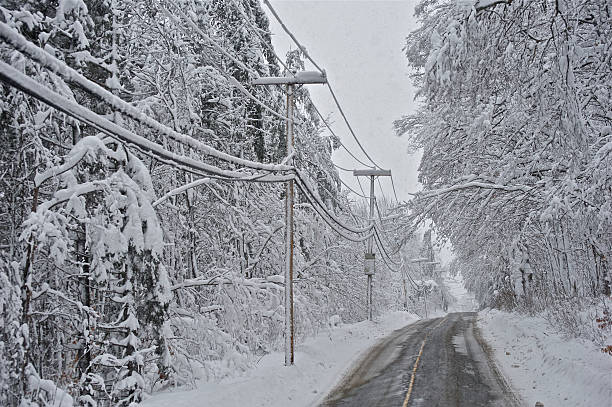
Growing up in a family that valued self-reliance, I learned early about emergency preparedness and staying ready for anything. My days flowed smoothly with work, family, and modern comforts, backed by well-stocked emergency supplies and practiced routines. Then came the winter storm that tested everything I knew. When power failed for days, electric hum vanished into icy silence.
My training kicked in immediately – I reached for the organized bins of emergency gear, grateful for years of preparation. Still, living through those dark days showed me new gaps in my planning. That long week taught me to connect wilderness skills with home preparedness, challenging what I thought I knew.
The Texas Winter Storm of 2021: A Stark Reality Check
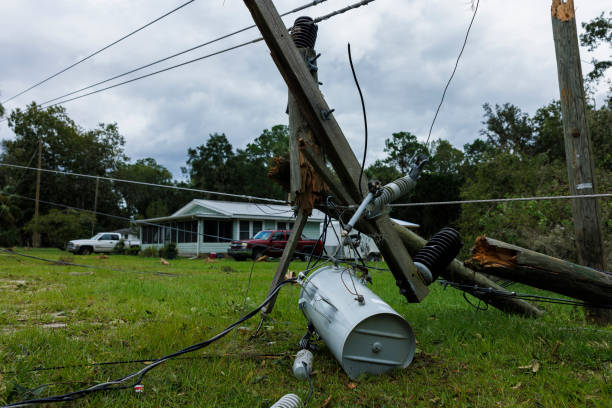
The severity of being unprepared was dramatically illustrated during the February 2021 Texas Winter Storm, when millions of residents faced a catastrophic power grid failure. As temperatures plummeted to record lows, reaching -2°F (-19°C) in Dallas, countless families found themselves without electricity for days. In Houston, Mariana Cortez, a 29-year-old resident, shared her harrowing experience: “We had no backup heat source and barely any shelf-stable food. The pipes in our apartment froze and burst, and we couldn’t even flush our toilets. We ended up huddling in our car for warmth and charging our phones, burning through precious gas we couldn’t replenish because most gas stations were closed.”
The crisis resulted in over 200 deaths, with many attributed to hypothermia, carbon monoxide poisoning from improper heating methods, and medical equipment failures. This devastating event served as a wake-up call for many Americans, highlighting how even in our modern society, basic survival skills and emergency preparedness can mean the difference between life and death.
Bridging Wild Places and Home Spaces
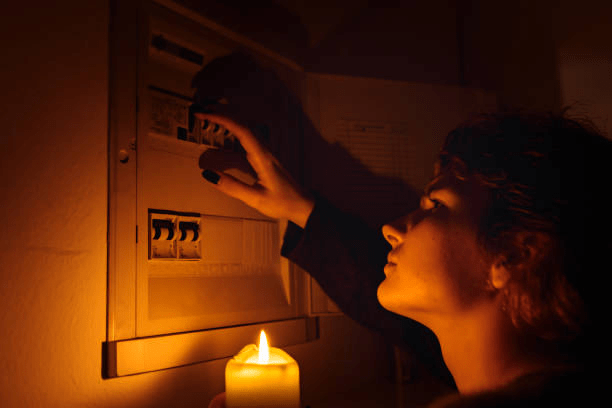
Reflecting on these experiences and my own background, I recalled my past adventures guiding canoe trips down the Yukon River. Surrounded by nature, I thrived on using resourcefulness and adaptability to overcome challenges—navigating rushing waters and setting up camp with confidence. Yet, when faced with a power outage at home, I struggled to maintain that same composure. This stark contrast made me realize that the skills I cultivated in the wilderness should be applied to daily life.
I learned that thriving during a power outage requires the same skills as surviving in the wilderness: creativity in problem-solving, adaptability to changing conditions, and a proactive mindset for planning ahead. Understanding that preparedness enhances overall resilience and self-reliance gave me a newfound sense of purpose.
From Challenge to Growth Through Experience
Once the power returned, I reflected on my years of preparation and spotted new areas to strengthen. The wilderness workshop that changed my perspective on survival skills centered on mastering ancient fire-making methods. Away from modern tools, our small group tackled the challenge of creating fire through friction, armed with only basic materials – wooden sticks and cordage. Time seemed to stretch as we worked, muscles straining and minds focused on each precise movement. The moment my ember burst into flames marked a personal victory I’ll never forget.
This training proved crucial during my time as a guide on the Yukon River. One night stands out clearly – I was leading tourists on an overnight canoe trip when rain drenched our campsite. The group’s comfort hinged on my ability to start a fire with wet wood. Drawing on my workshop experience, I persistently worked until flames emerged from the wet conditions. When the fire finally sparked to life, our whole group’s spontaneous cheers validated every hour of practice. That evening, as we huddled around the warmth sharing hot meals instead of cold sandwiches, I realized how vital these fundamental skills could be – not just in the wilderness, but for home emergencies too.
Essential Emergency Supplies
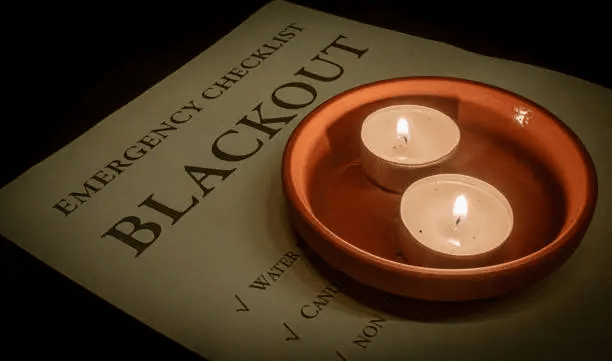
Through experience, I’ve identified the most crucial items for power outages. My emergency kit includes multiple reliable flashlights with extra batteries, solar-powered lanterns, waterproof matches, and backup phone chargers. I also maintain a supply of shelf-stable food, bottled water, and a battery-powered radio for emergency updates. A basic tool kit, first aid supplies, and important documents stored in waterproof containers round out the essentials. Perhaps most importantly, I keep these items organized and easily accessible in designated locations, ensuring they can be quickly found even in darkness.
Building Emotional Resilience Alongside Practical Skills
My path to emergency preparedness wasn’t just about acquiring skills; it was also about building emotional resilience. The ups and downs I experienced through the learning process taught me that preparing for emergencies requires a calm and centered mindset. Emergencies, whether they are power outages or unplanned events in the wilderness, can trigger anxiety and panic if we don’t know how to manage them. I began incorporating techniques such as mindfulness and visualization into my routine. By visualizing myself successfully starting a fire, navigating through potentially confusing trails, or even handling a power outage at home, I developed mental fortitude that enabled me to remain composed when faced with difficult situations.
Turning points in My Preparedness Journey
Several skills became indispensable in my preparedness journey. First, mastering the art of food storage and preservation became a top priority. I learned how to effectively store non-perishable items and prepare meals that could sustain us during prolonged outages. Canning, drying, and fermenting food offered not only practical benefits but also a sense of self-sufficiency. Understanding how to purify and store water safely was another pivotal skill. I invested time in learning various water purification techniques—from boiling and using chemical tablets to employing filtration systems that ensure safe drinking water in any situation.
Communication also took center stage in my preparedness plan. I realized the importance of having a plan for keeping in touch with family and neighbors, which included establishing meeting points and backup methods for communication in case cell towers went down. This not only boosted our safety but also strengthened community bonds as we learned to look out for one another.
Lastly, acquiring comprehensive medical knowledge became indispensable. I completed an intensive 10-day outdoor first aid course and earned my Emergency Medical Responder (EMR) certification. This advanced training equipped me with the skills to handle everything from minor injuries to critical emergencies in remote settings, bridging the crucial gap until additional medical resources could arrive.
Creating a Comprehensive Emergency Preparedness Kit
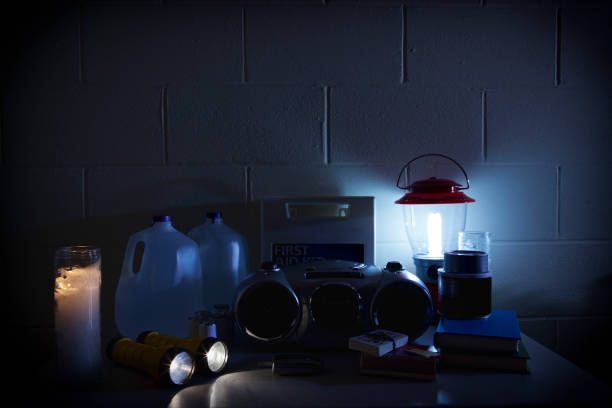
As I honed my skills, I dedicated myself to identifying the most crucial items for power outages and assembling a comprehensive emergency kit. My kit includes multiple reliable flashlights with extra batteries, solar-powered lanterns, waterproof matches, and backup phone chargers. A battery-powered radio keeps us updated during emergencies, while a portable stove enables hot meal preparation. The heart of our kit contains shelf-stable food, bottled water, and essential first aid supplies.
Learning from events like the Texas Winter Storm of 2021, I’ve added specific items for extreme weather: insulated water pipe materials, extra power banks, and winter-specific gear—as I live in a climate with warm summers and harsh winters. even though we live in a typically warm climate. A basic tool kit and important documents stored in waterproof containers round out the practical elements. I’ve also included items for psychological comfort: games, books, and journals to maintain morale during prolonged crises.
Perhaps most importantly, I keep these items organized and easily accessible in designated locations, ensuring they can be quickly found even in darkness. Each family member has a designated role and knows how to utilize the contents of our kit, making our emergency plan truly effective. This comprehensive approach to emergency preparedness has proven invaluable, accounting for both practical needs and unlikely scenarios.
Sharing Knowledge and Inspiring Others
As my confidence grew, I found myself naturally sharing my preparedness journey with others. Through one-on-one conversations with friends and family, I shared practical tips and lessons learned. These discussions not only reinforced my own understanding but also strengthened our community’s resilience. Seeing others take their first steps toward emergency preparedness was deeply rewarding. Their growing confidence reminded me of my own transformation and reinforced the value of sharing knowledge about self-reliance.
What started as a personal journey to become more prepared has evolved into something far more meaningful. During recent local emergencies, I witnessed firsthand how shared knowledge created ripples of resilience. When neighbors helped neighbors, I realized that true preparedness isn’t just about individual survival—it’s about strengthening the fabric of our entire community. Each person who embraces preparedness becomes a beacon of stability during uncertain times, creating a network of capable, confident individuals ready to face whatever challenges lie ahead.
Resilience as a Way of Life
As I look back on my journey, I realize that the challenges I faced brought about unexpected and positive changes in my life. While emergencies remain unpredictable, emergency preparedness has equipped me with the calm and confidence needed to handle uncertainties This shift in mindset has extended beyond just survival scenarios; it influences how I approach everyday challenges, transforming them into opportunities to apply the skills and resilience I’ve gained.
Through this journey of preparedness, I’ve gained a deeper appreciation for both the practical aspects of survival and the emotional strength and community connections that support us in times of adversity. It has been a humbling yet empowering experience, reinforcing the idea that while we can’t control every situation, we can prepare ourselves to face them with resilience and courage. This newfound readiness not only ensures the safety and well-being of my family but also enriches our everyday lives with a sense of confidence and capability.
Moreover, this journey has taught me that true preparedness is not about living in fear of what might happen but rather about embracing the confidence that comes from knowing you can handle whatever challenges arise. It’s about finding balance between being ready for emergencies while maintaining a positive outlook on life. The skills and knowledge I’ve gained have become an integral part of who I am, seamlessly woven into the fabric of my daily routine. This integration of preparedness into everyday life has created a sustainable approach to resilience that doesn’t feel like a burden but rather an enhancement to our quality of life.