City life may seem like it’s worlds away from the wilderness, but my years outdoors have shown me that survival skills are just as valuable in urban environments. My background in camping, scouting, and wilderness training has shaped the way I approach daily life in the city. Here are some ways I’ve adapted these techniques to make city life not only safer but also more enriching and resilient.
Reading the Streets Like I Read the Woods
One of the most valuable lessons I’ve taken from wilderness survival is the power of observation. Be it scouting trips as a kid or the hiking and solo camping trips I took as an adult, I learned how to stay alert to every subtle detail in my environment.
- Observation skills: Just as I used to watch for animal tracks, I now pay attention to crowd patterns and body language. Recognizing these subtle signs helps me spot potential disturbances early on.
- Neighborhood awareness: In the same way I’d notice wind direction on a hike, I now observe changes in foot traffic or an unusual quietness in busy areas—these shifts often signal that something’s happening, and they help me make safer choices.
- Avoiding risks: Just as I’d steer clear of certain trails in the wilderness, these observation skills have helped me avoid crowded events or navigate around areas that seem tense.
These skills have saved me from potentially risky situations more than once, giving me confidence in reading my surroundings.
Finding Resources in Concrete Canyons
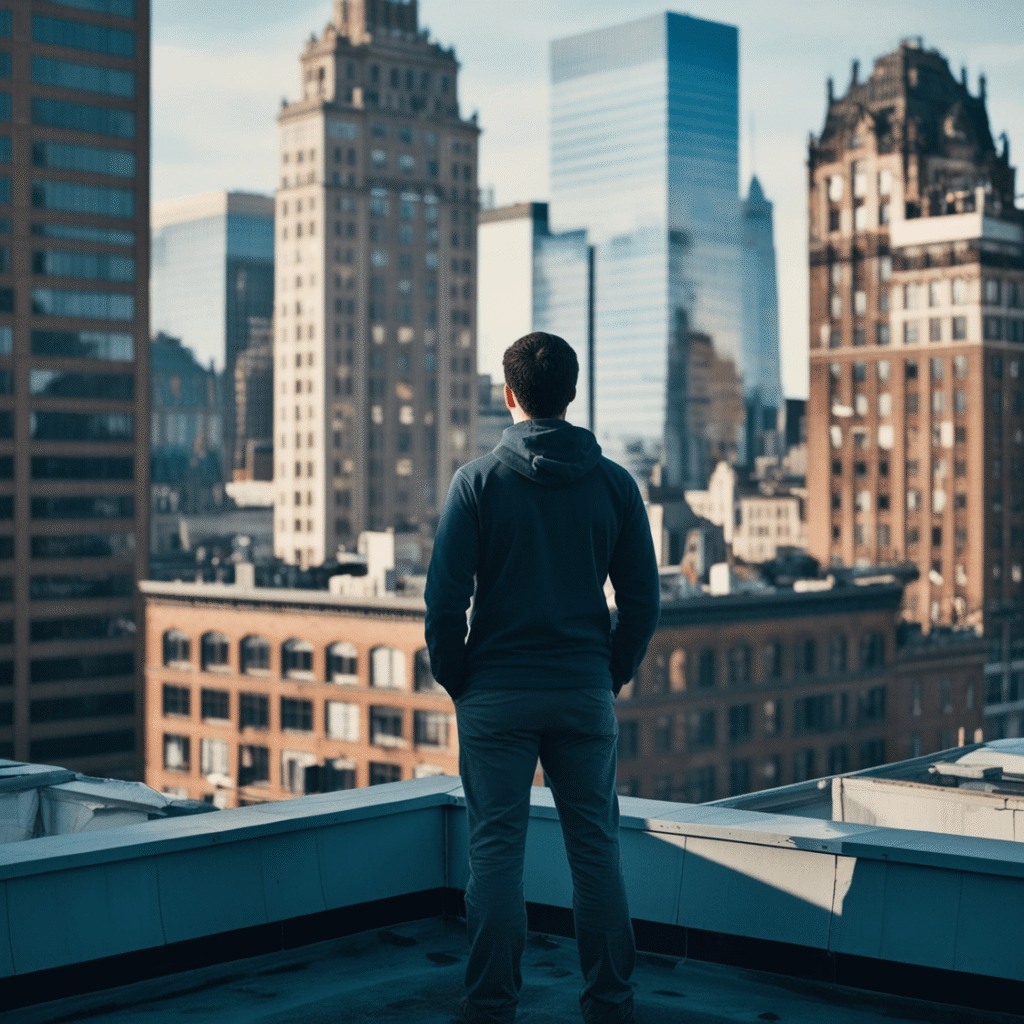
Growing up by the docks and watching the ships unload, I’d explore and find hidden paths and corners. This sense of curiosity is still with me, and I’ve come to see urban areas as places with hidden resources, much like the backcountry.
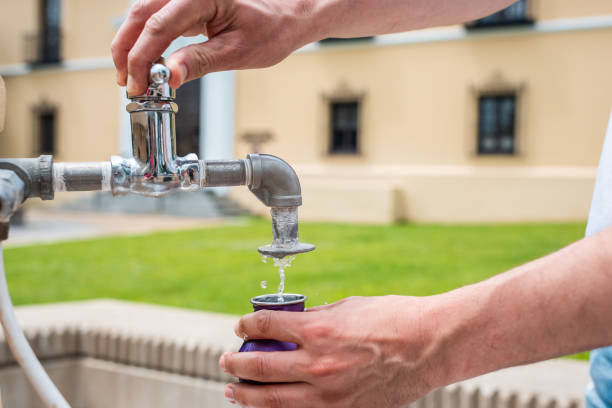
- Water sources: I’ve mapped out nearby public fountains, accessible facilities, and even certain parks where clean water can be found. Having these in mind is useful for both everyday life and emergencies.
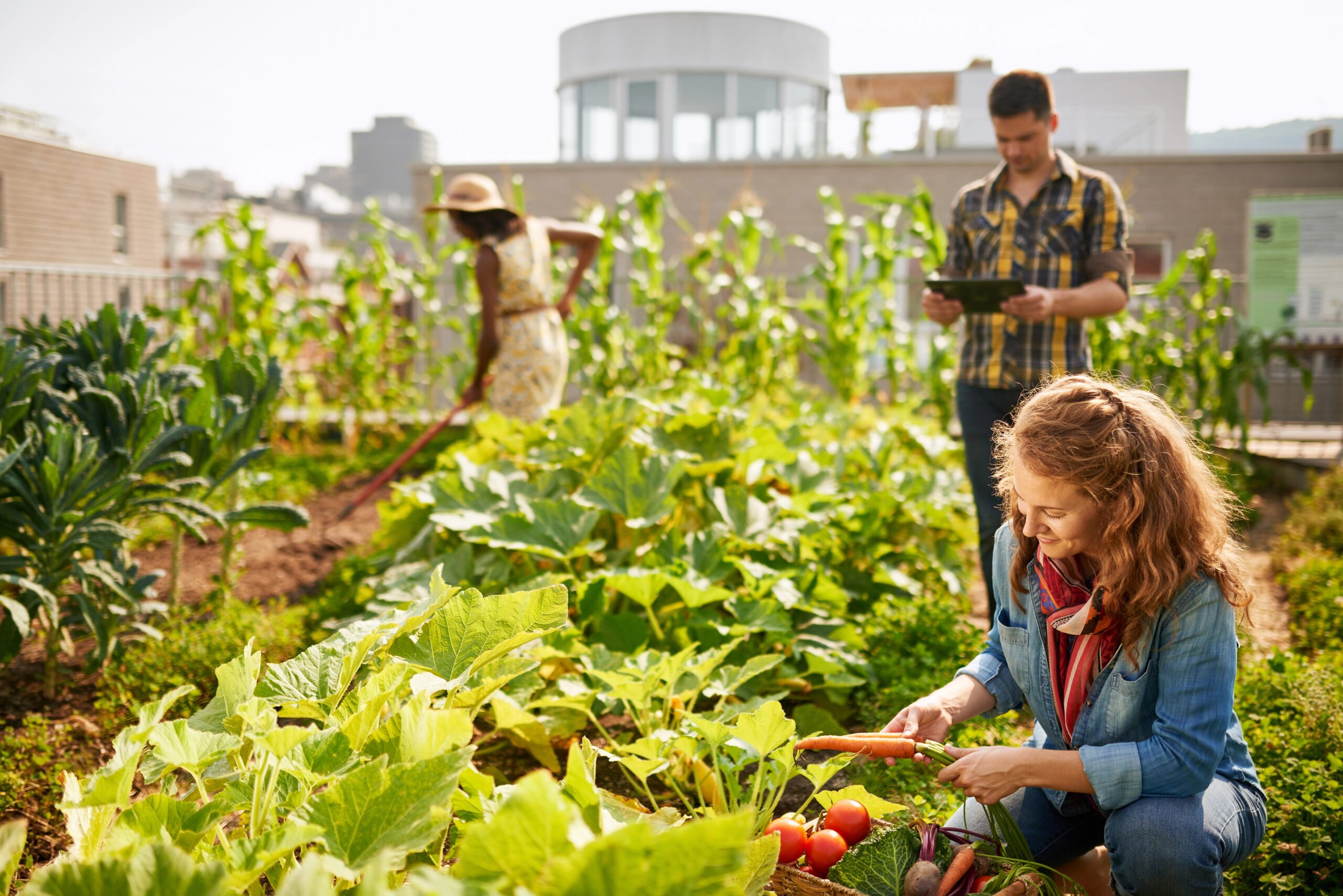
- Urban foraging: I started learning about foraging in the city after seeing how much can be grown in community gardens. Parks sometimes host edible plants like purslane, which I discovered is rich in nutrients and grows in unexpected places.
- Balcony gardening: Inspired by my time in the Canadian wilderness, where we’d fish and rely on local resources, made me realized that growing herbs and vegetables on a balcony can supplement diet and build self-sufficiency
Making Any Space a Safe Space
In my wilderness training, setting up a safe and comfortable shelter was essential. These shelter-building skills have proven useful even in urban life, especially when preparing for unexpected situations.
- Home fortification: Just as I would secure a tent against the elements, I’ve taken measures to reinforce my home’s entry points, creating a secure space for emergencies
- Emergency gear: I keep a lightweight tarp, mylar blankets, and a small emergency kit in case of power outages or extreme weather—items I also relied on during wilderness training.
- Micro-shelters: In Canada, we’d often use creative methods to stay warm, like building snow trenches or even igloos or quinzhees. In the city, I apply this by creating insulated spaces in my home during winter, especially if heating goes out.
These practical techniques help me feel safe and prepared, no matter the conditions.
Moving Through Urban Terrain
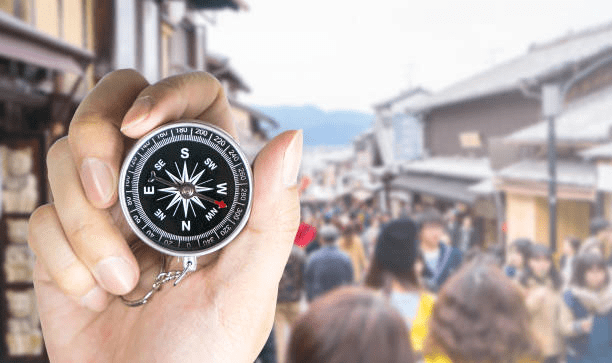
Navigation is a key survival skill, whether in the wild or the city. My background in map-reading and compass use has allowed me to find my way in unfamiliar environments, from mountain trails to the busy streets of a city.
- Route planning: In the wilderness, I’d plan routes to avoid getting lost, and now I memorize different paths to essential places in the city, like hospitals and police stations.
- Using landmarks: During my navigation courses, I learned to recognize natural landmarks to stay oriented. In the city, this translates to knowing prominent buildings, unique storefronts, and other recognizable features to help navigate without GPS.
- Avoiding congestion: Just as I’d take alternate paths during hiking to avoid difficult terrain, I apply the same strategy in the city to avoid crowded or high-risk areas.
These navigation skills provide both practical benefits and a sense of control in unfamiliar situations.
Building Urban Community Networks
One thing that stands out about my time in the Scouts and wilderness groups is the strong camaraderie. I value the sense of community that comes from working together with others who share an interest in preparedness and outdoor skills.
I’ve found that these principles of community support and skill-sharing can be valuable in urban settings too:
- Individual preparation: I focus on learning essential skills like basic first aid and meal prep for power outages.
- Network building: I connect with neighbors who have various expertise—from medical training to mechanical skills to gardening knowledge—so we can help each other when needed.
- Mutual support: During events like power outages, having even informal connections with prepared neighbors can be invaluable. Knowing who has relevant skills and being able to help each other makes our community more resilient.
These connections foster not only safety but also a sense of community, which is vital in times of crisis.
Preparing for City-Specific Challenges
Every environment presents unique challenges. While wilderness survival might focus on extreme weather or wildlife, city life demands preparation for things like infrastructure breakdowns and civil disturbances.
- Emergency gear: From my experience with wilderness camping, I always keep essentials like water filtration tools, dust masks, and a glass-breaking tool for potential emergencies.
- Power outages: I’ve repurposed my portable solar charger and water filter from backcountry trips to be my go-to solutions for urban power outages, ensuring that I have access to clean water and charged devices.
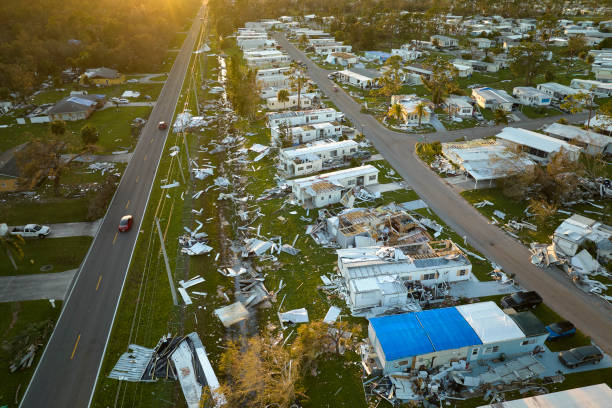
- Natural disaster prep: Inspired by my time with volunteer emergency services, I’m mindful of keeping supplies like an emergency radio and first aid kit. Being prepared for floods or fires is just as essential in the city as when I trained for remote emergencies.
Staying Connected Without Technology
Communication is critical in survival, and during wilderness training, I learned non-verbal ways to connect with others. In the city, these strategies have become just as useful.
- Visual signals: A set of colored emergency signal cards (green for “all okay,” yellow for “need assistance,” and red for “emergency”) is useful in case they’re needed during a crisis to communicate with emergency responders.
- Hand-crank radio: I keep a hand-crank radio for emergency broadcasts, and we practice using two-way radios, which allows us to stay informed even during communication blackouts.
- Hand signals: From my wilderness experience, I’ve learned simple signals that can be crucial for communication when technology fails.
These simple but effective tools provide peace of mind, knowing we can stay connected even in emergencies.
Urban Survival: Growing Self-Sufficient in the City
Self-sufficiency is as valuable in the city as it is in the wilderness. My background in camping and survival training has shaped my approach to urban self-reliance.
- Urban survival kit: I’ve adapted my outdoor survival kit to fit city needs, including medical supplies for typical urban injuries, water filtration for tap water, and fire-starting tools safe for indoor use.
- Balcony garden: Inspired by my Canadian adventures and learning to fish and forage locally, growing herbs and vegetables on a balcony contributes to a supply of food.
- Sustainable practices: From composting to container gardening, these small acts of self-sufficiency make me feel better prepared and more in tune with my urban environment.
Training Body and Mind
Physical and mental preparation are both crucial. My time spent outdoors and in emergency services taught me the importance of keeping both my body and mind ready for anything.
- Physical fitness: Exercises like stair-climbing, lifting, and running help me stay prepared for situations that may require quick movement or carrying loads.
- Mental clarity: I practice meditation and stress management techniques to stay calm in emergencies, a habit formed during my wilderness first aid training.
- Skill refreshers: Regular practice, from fire-starting to basic first aid, ensures these skills remain second nature, whether in the woods or in the heart of the city.
Bridging Two Worlds
Living in the city has helped me evolve my survival skills, blending wilderness techniques with urban demands. My experiences have taught me that the basics of survival—awareness, preparedness, and community—are universal.
The biggest lesson I’ve learned? Whether in nature or among skyscrapers, survival is about adaptability, resourcefulness, and connection. Sharing these skills with others helps us all build a stronger, more resilient community. The journey has taught me that survival isn’t just about individual readiness; it’s about contributing to a collective resilience that can face any challenge.
Sometimes, late at night when the city quiets down, I find myself thinking back to those peaceful moments in the wilderness—the crackling of campfires, the rustle of leaves, the bright stars overhead. It’s in these moments that I realize how much both worlds have shaped me. The concrete jungle may seem far removed from those serene forests, but the core principles remain the same: respect your environment, stay prepared, and never stop learning. My journey from wilderness to city living hasn’t been about leaving one world behind, but rather about bringing the best of both worlds together to create something stronger and more meaningful than either could be alone.