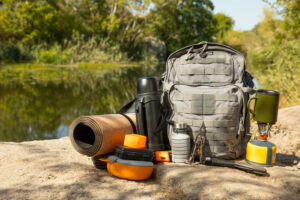
Most people think they know how to pack a bug out bag checklist, but from what I see out there, they’re making some serious mistakes. You know what happens when things go sideways? People panic because they don’t think through their gear properly.
Let me be straight with you – there’s a world of difference between someone who just throws random items in a backpack and someone who actually knows what they’re doing. The people who make it through tough situations? They’ve done their homework. They’ve tested their equipment. They know exactly why each piece of equipment made it into their bag and what job it’s supposed to do.
One weekend hike exposed the gap between theory and reality. Bad weather hit, the cheap stove died, the tent zipper failed, and the jacket leaked through. What started simple became survival because corners were cut on gear quality and testing was skipped. Sitting there shivering in failed equipment made it clear – all those articles and videos meant nothing when gear collapsed. The lesson: reading about survival and actually being prepared are completely different things.
Essential Practices for Your Bug Out Bag Checklist
The foundation of any effective emergency preparedness strategy starts with building the right habits and practices. These aren’t suggestions – they’re survival imperatives that separate prepared individuals from potential casualties.
Regular Review and Refinement
Every time I return from using my emergency kit, I perform what I call a “post-mission evaluation.” I spread everything out on the floor and go through each piece one by one. What did I reach for? What never left the bag? This isn’t just busy work – it’s how you figure out what’s actually worth carrying and what’s just eating up space and adding weight when you can’t afford either.
But here’s the thing that trips up even experienced preppers: those food supplies you packed months ago. Right now, go check the dates on your bug out bag checklist emergency rations.. I guarantee at least half are closer to expiring than you think. That’s why I set phone reminders every quarter to rotate my food stock – because discovering your emergency meals went bad when you actually need them isn’t just inconvenient, it’s dangerous. Discovering that your emergency foods have spoiled when you desperately need them isn’t just disappointing – it’s potentially fatal.
Prioritizing Practicality and Weight
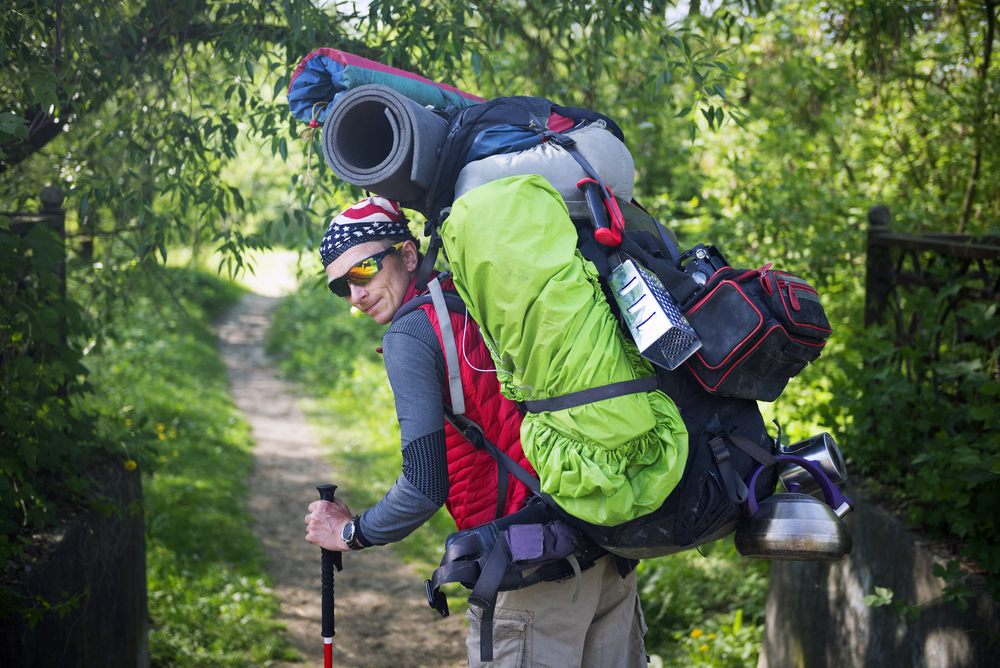
Carrying too much weight will kill you faster than most other mistakes you can make. A heavy pack wears you out, slows you down, and when you need to move fast – you can’t.
I learned this through firsthand experience when I came face to face with a black bear on a trail. My pack was loaded with all kinds of gear I thought I might need someday. That bear showed up and I needed to move fast. My overloaded pack slowed me down when speed mattered most. What should’ve been a quick escape became a dangerous face-off.
That experience changed how I pack completely. Now I’m brutal about what makes it into my bag. If I can’t point to exactly why something needs to be there and when I’ll use it, it doesn’t go. Those “just in case” items? They’ll get you killed when you need to move fast and can’t because you’re carrying a bunch of maybes on your back.
Climate Awareness and Weather Preparation
The weather when you leave your house means absolutely nothing. I can’t tell you how many times I’ve started a trip in perfect conditions only to get hammered by storms that came out of nowhere.
This is especially true if you’re anywhere near lakes or the coast. Wind patterns shift, and suddenly you’re dealing with a 20-degree temperature drop that nobody saw coming. One minute you’re comfortable, the next you’re soaked and shivering – and that’s exactly how hypothermia sneaks up on people who should know better.
I always carry good rain gear and layers I can adjust on the fly. Weather forecasts? They’ve let me down enough times that I prepare for the worst regardless. Being right about the prediction doesn’t help when you’re soaked and freezing miles from anywhere.
Gear Familiarity and Reliability
Don’t be that person who opens their camping stove for the first time when they actually need it. I see this all the time – people buy gear, throw it in their pack, and figure they’ll sort it out later. That’s how you end up trying to light a finicky stove in the rain while you’re already cold and hungry.
Test everything at home first. Your stove, water filter, tent – make sure it all works before your life depends on it. Because there’s nothing worse than finding out your gear is junk when you’re already in a bad situation.
And here’s the thing about buying cheap equipment – it’s expensive in all the wrong ways. That bargain tent that falls apart in your first real storm? Now you’re exposed to the elements with no backup plan.
Spend the money upfront on gear that won’t quit on you when things get serious. Trust me, when you’re dealing with an actual emergency, you’ll be glad you bought quality the first time around.
Pack Smart, Not Hard
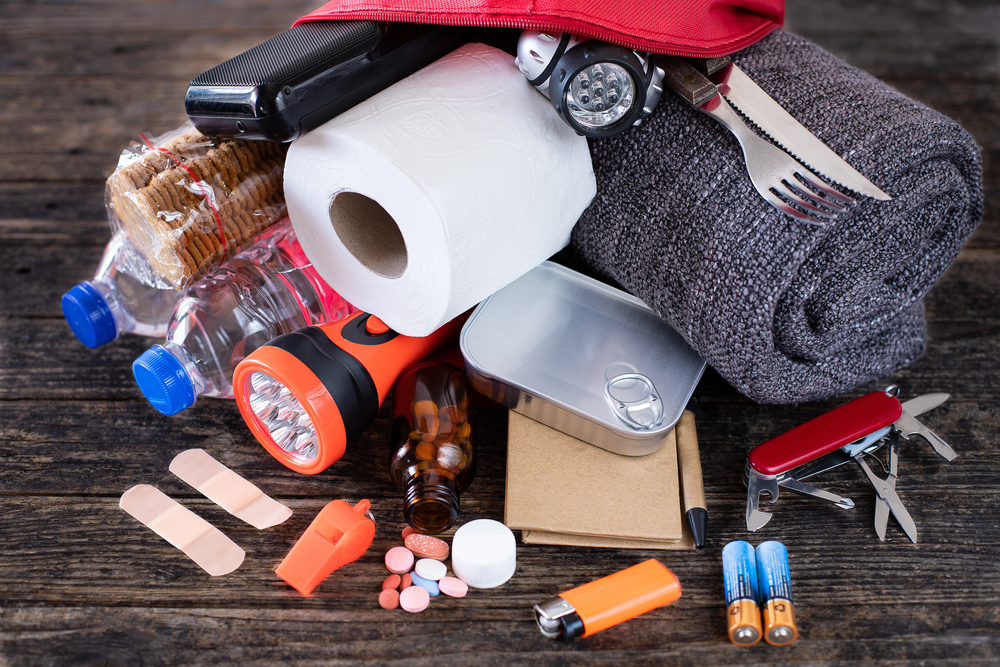
Here’s how I organize my gear – everything gets its own spot. Medical kit, clothes, cooking gear – all get their own pouches. When it’s dark and your hands are numb, you don’t want to dig through a jumbled pile.
Weight matters just as much as organization. Load heavy items close to your back and in the middle of the pack. Poor weight distribution leads to back pain and unstable balance on uneven terrain. A few practice runs at home will save you a lot of pain later.
Now, about fire – this is where backup plans become critical. I carry a regular lighter, a backup lighter, waterproof matches, and a ferro rod. Some people think that’s overkill until they’re stuck somewhere cold and wet with one dead lighter. Fire isn’t just about staying warm – it purifies water, signals for help, and keeps your head straight when everything else is going wrong. Pack some dryer lint too – it catches flame instantly even when damp.
Water Management Strategies for Your Bug Out Bag Checklist
Water represents your most critical survival requirement, making purification and source planning essential elements of any comprehensive emergency strategy. Have backup ways to clean your water – your main method will fail when you least expect it. And map out water sources ahead of time.
You don’t want to be hunting for water in the dark when you’re already running on empty. I boil everything I drink from natural sources – it kills most of the nasty bugs that’ll make you sick. Just keep in mind that some parasites like Cryptosporidium can survive boiling, so carry backup purification tablets if you’re in questionable areas.
Family-Specific Considerations
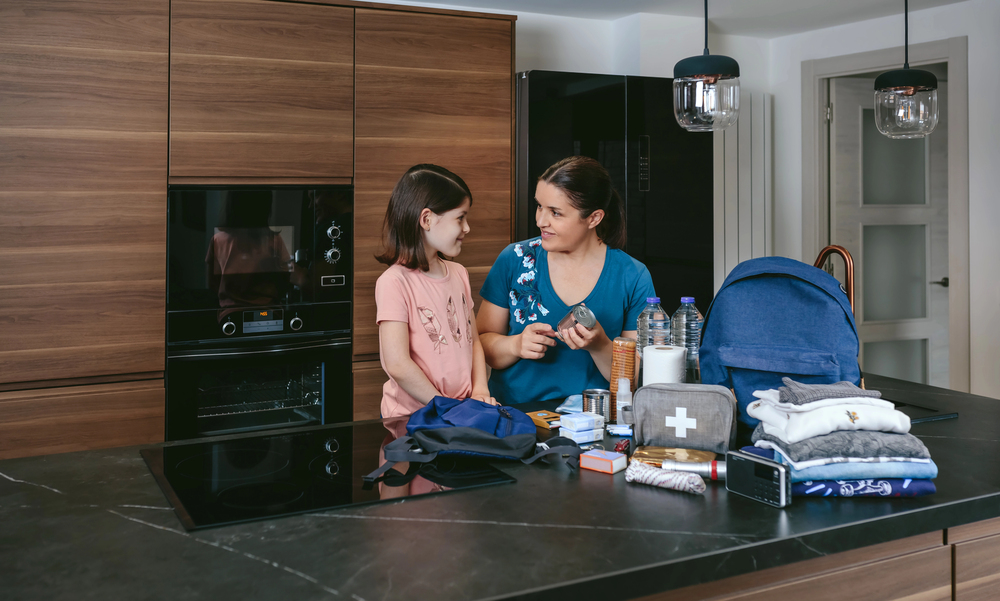
Even young children can carry personalized packs containing age-appropriate comfort items and essential supplies. This distribution approach prevents any single person from becoming overloaded while teaching family members personal responsibility for their emergency preparedness.
Critical Mistakes to Avoid with Your Bug Out Bag Checklist
Why repeat mistakes when you can learn from others? These critical errors have cost lives—and they’re far more common than most people realize.
Packing and Weight Errors
Overpacking cripples mobility and drains endurance. Extra weight saps stamina, strains your back, and slows you when speed matters most. Skip items that seem useful but aren’t essential.
The temptation to pack items you “might” need often leads to carrying equipment that provides minimal benefit while adding problematic weight.
Checklist and Gear Misconceptions
Generic bug out bag checklists that ignore local climate create dangerous false security—desert gear won’t save you in a cold rainstorm. Always pack for your actual location and season.
Don’t carry gear you haven’t tested. Expensive equipment is useless if you can’t operate it or if it fails when you need it most. Check and rotate emergency food regularly—expired rations are dead weight when you’re starving.
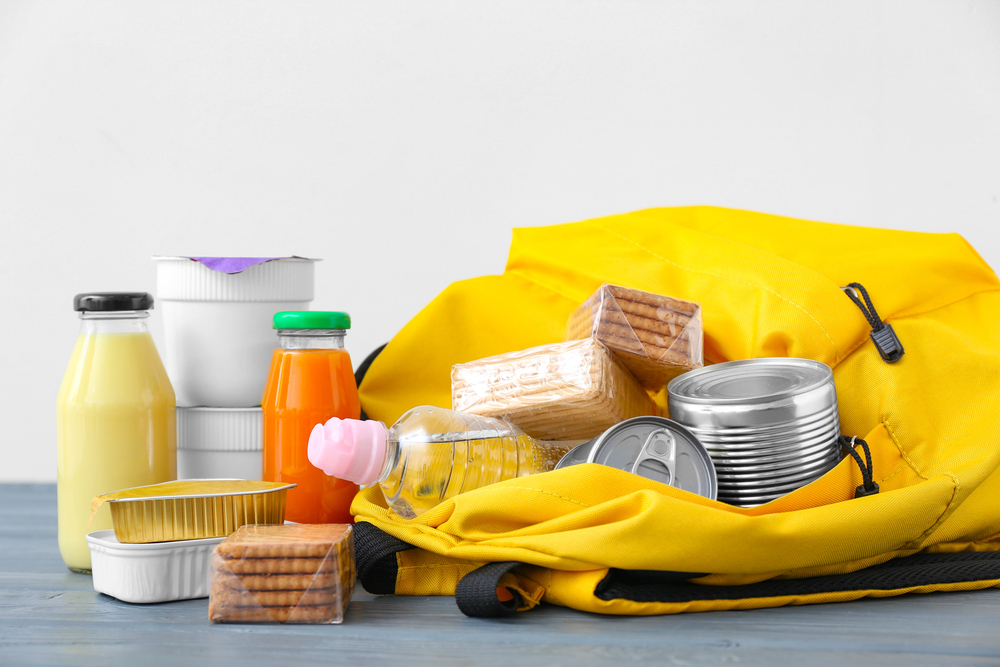
Keep your pack organized. In a real emergency, fumbling for gear wastes precious seconds and can turn a manageable situation into a deadly one.
Avoid cheap gear when building your bug out bag checklist. Low-quality equipment fails when stakes are highest, making reliable, well-tested gear worth every penny.
Environmental and Situational Misjudgments
Swamps are dangerous for emergency travel or shelter—landmarks vanish in dense vegetation and standing water, making navigation nearly impossible. Permanent swamp areas appear on topographic maps, allowing advance route planning to avoid these hazards.
Water from clogged areas requires extra purification beyond standard protocols. These areas are death traps. You’re dealing with alligators, venomous snakes, and aggressive insects that pose serious threats. Try walking through knee-deep mud when you need to move fast – it’s like quicksand that saps every bit of energy you have. Plus, getting a fire started when everything’s soaked and the air feels like soup becomes nearly impossible. You’ll need to split wood to find dry inner portions and feather stick ends to create adequate kindling for ignition
Unknown terrain demands advance planning and preparation. Always study maps, consult online resources, and reference guidebooks about trail conditions before departing. Stick to recognized, established trails that provide known safety factors and emergency egress options.
When Everything Goes Wrong
Murphy’s Law rules the wilderness – anything that can go wrong will go wrong, usually at the worst possible moment. That perfect weather forecast? Forget it. Your expensive GPS? Dead battery when you need it most. That trail you’ve hiked a dozen times? Washed out by a flash flood. This is why I always prepare multiple backup plans. What will you do if your primary route suddenly becomes impassable?? Where’s your backup water source if the first one’s contaminated? How do you navigate if your electronics die?
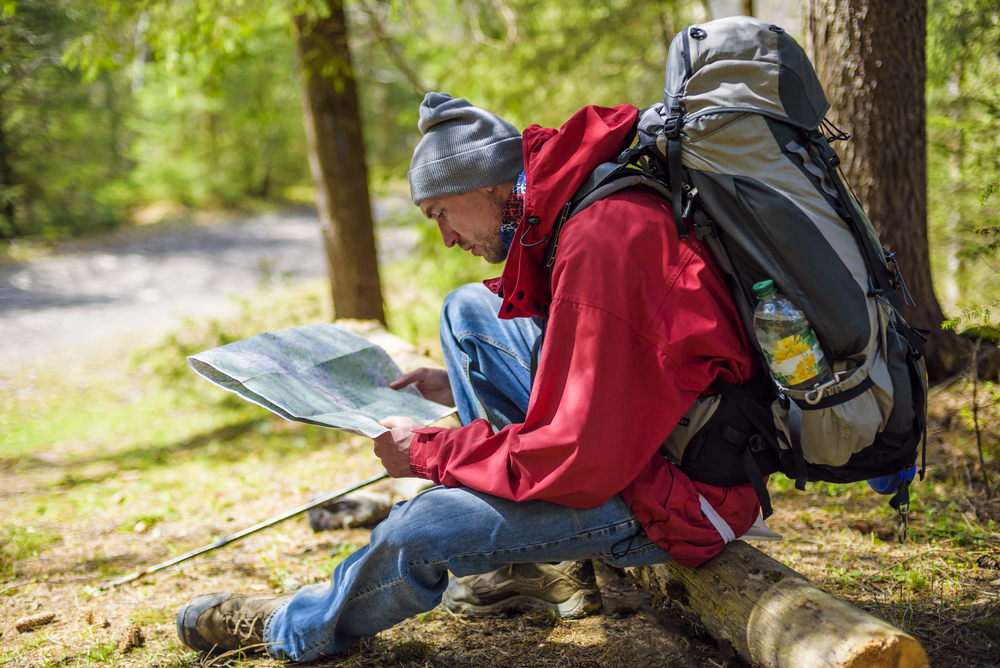
Here’s something most people skip – learn to use a real compass and paper map. I know, I know, it seems old school when you’ve got GPS on your phone. But when that phone dies or you lose signal, those basic navigation skills might be the only thing standing between you and spending the night lost in the woods.
Get yourself in shape. All the gear in the world is useless if you can’t carry it a mile. Train with your real pack, not a lightweight gym bag. Find out now if that shoulder strap rubs you raw or if the weight distribution throws off your balance. Your bug out bag checklist means nothing if you can’t actually carry the pack when it matters most.
Getting Help When You Need It
When things go sideways, your cell phone becomes useless. No signal, dead battery, or damage cuts you off when you desperately need help.
That’s why I carry a whistle, signal mirror, and depending on where I’m headed, sometimes a satellite communicator. The whistle works when your voice gives out from yelling. The mirror can flash rescue aircraft from miles away on a sunny day. And that satellite device? It’s my lifeline when I’m beyond cell tower range.
But here’s what really matters – having a plan that doesn’t rely on technology. Set a strict return time and tell someone to call for help if you miss it. Agree on meeting points with your group before leaving—planning ahead saves lives. Have multiple ways to signal for help and make sure the people at home know exactly what to do if something goes wrong.
Medical Preparedness
Your wilderness first aid kit needs to handle the injuries that actually happen – deep cuts from knives or axes, burns from camp stoves, sprains from uneven terrain. Pack gauze, medical tape, antibiotic ointment, and pain relievers that actually work. Bring extra of any daily meds – missing doses in the wilderness can kill you. And don’t just pack medical gear – learn to use it.
Practice wound care at home so you’re not figuring it out when someone’s bleeding. Know what hypothermia looks like – the confusion, slurred speech, uncontrollable shivering. Understand when someone’s hurt badly enough that you need to get them out immediately versus when you can treat them on-site.
A fancy medical kit is worthless if you don’t know how to use what’s inside it.
Adjust Your Gear for the Season
What works in July could get you killed in January. Each season throws different problems at you, and your gear needs to match what nature’s actually going to hit you with.
Winter burns through your energy fast. Pack extra food, add layers, and make sure your gear still works when it’s frozen. That water filter you love? Useless when it’s an ice block.
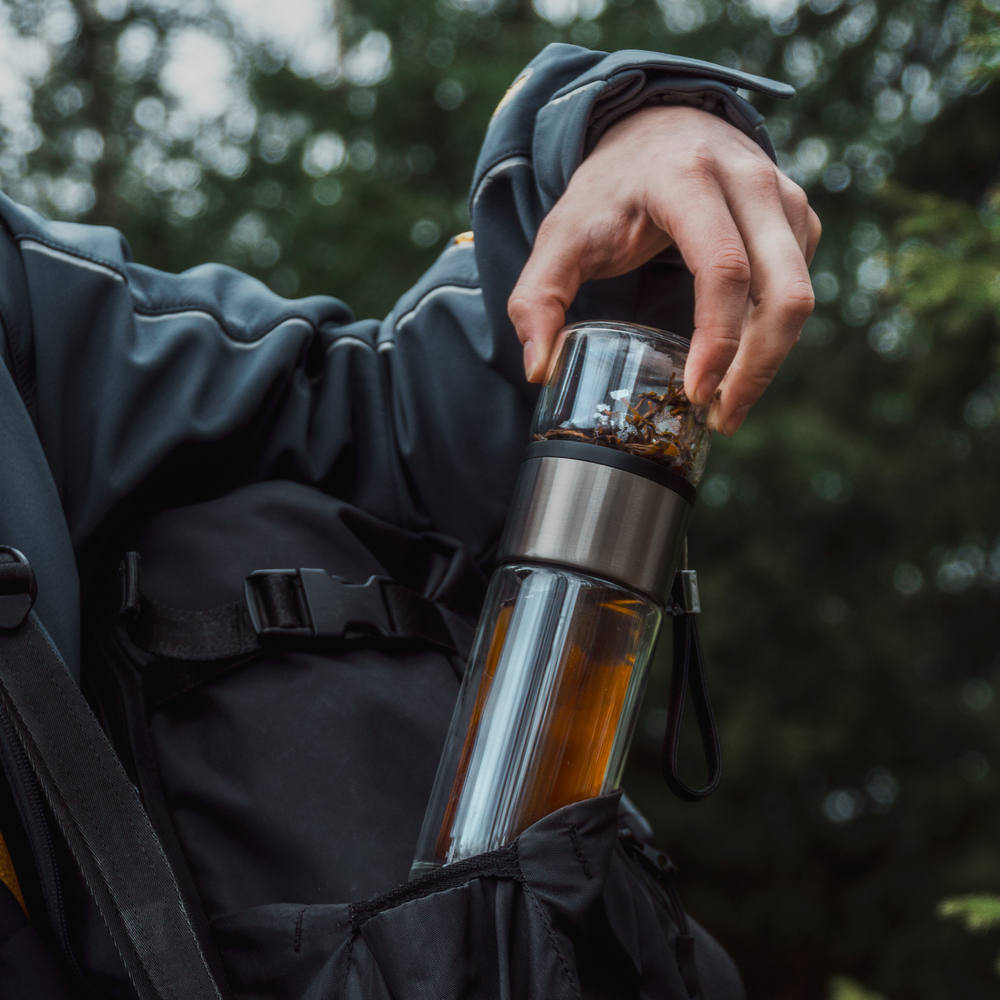
Summer changes the game—now you’re fighting heat, dehydration, and bugs that want to drain your blood. More water, sun protection that actually works, and insect repellent become your best friends.
Spring and fall? They’re the tricky ones. Mornings start cold, afternoons get hot, and evenings drop again. You need layers you can add or strip off as conditions change throughout the day.
And don’t forget—where you live matters just as much as when you’re going. Beach weather isn’t mountain weather. What keeps you alive in the desert will fail you in the forest. Know your local area and pack for the specific challenges it throws at people.
Long-term Sustainability
Emergency situations can extend beyond initial expectations, making long-term sustainability considerations important for comprehensive preparedness. Include tools and knowledge for food procurement, shelter improvement, and equipment maintenance during extended emergencies.
Develop skills in natural resource identification, basic construction techniques, and equipment repair that reduce dependence on finite supplies. These capabilities become increasingly important during prolonged survival situations.
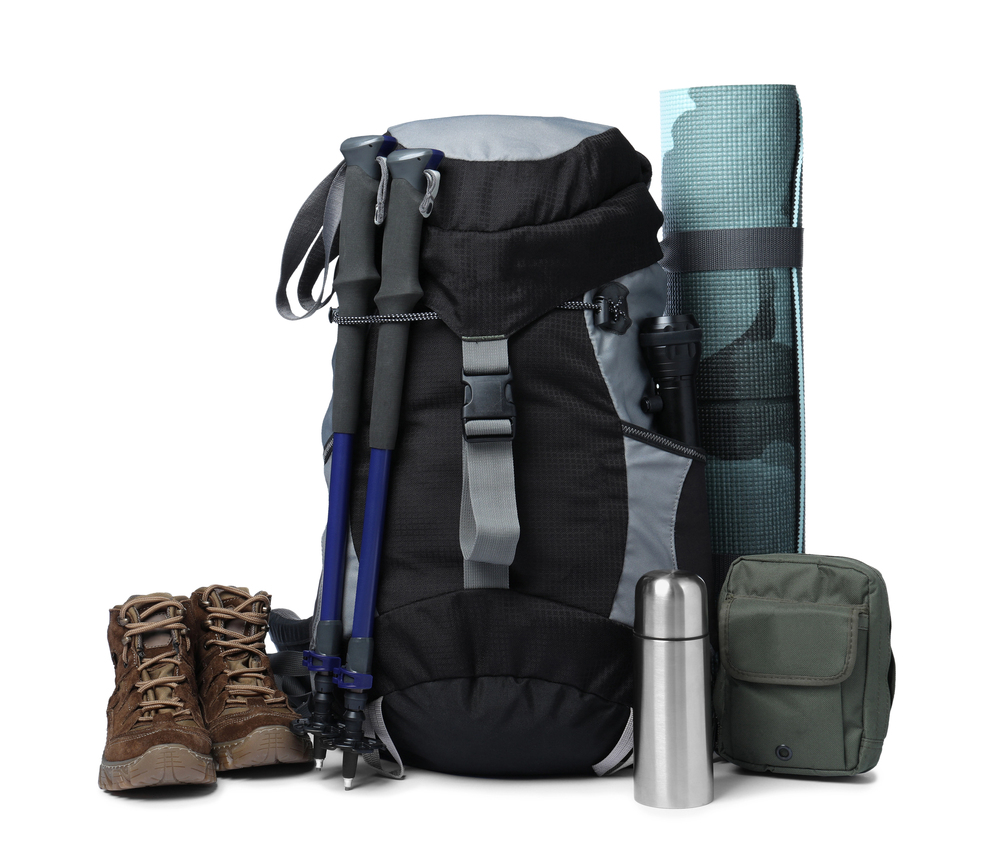
The Reality Check
When disaster hits, your bug out bag becomes the line between making it home and becoming a statistic. Most people pack wrong, train never, and discover their mistakes too late.
Prioritize ruthlessly. Water purification trumps comfort items. Proven tools beat shiny junk. Test everything before you bet your life on it.
The 72-hour myth kills people. Plan for weeks. Know your calorie needs under stress. Dehydration kills decision-making fast. Adrenaline fades but hunger doesn’t.
Skills trump gear, but gear amplifies skills. Master fire-starting before buying fancy tinder. Perfect water sourcing before advanced filters. Learn map and compass before trusting GPS that dies when needed.
Most emergencies require mundane competence, not tactical theatrics. Stay warm, find clean water, and maintain energy. These basics save you more than exotic techniques.
Your bug out bag checklist must be tested and proven, or pay the price when it counts.