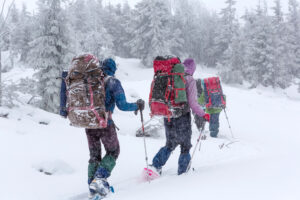
The gear most people pack for winter camping could actually get them killed. After guiding tourists through frozen rivers in Canada’s Northwest Territories and surviving blizzards that shut down entire communities, I’ve seen how standard gear lists fail when temperatures drop to -20°C and below.
There’s a moment that stays with me—standing in the Northwest Territories wilderness, watching inexperienced campers fumble with frozen zippers while their supposedly “waterproof” gloves turned into ice blocks. Their cotton shirts had frozen solid to their skin. All the gear the magazines recommended wasn’t doing them any good.
That scene taught me something. Most winter camping gear lists miss the point entirely. The Inuit survived Arctic winters for centuries without Gore-Tex or battery packs. They knew what worked.
My experience comes from 56 days of midnight sun, 30 days of polar nights, and countless situations where proper preparation separated great adventures from emergency rescues. These seven winter camping essentials go far beyond typical gear lists, focusing on systems that actually work when everything else fails.
The Layering Revolution That Keeps You Alive
The biggest mistake I see campers make? Thinking bigger equals warmer. Your heavy winter coat seems perfect in the store, but all that bulk just holds moisture against you. My cotton shirt nearly froze to my chest one night.
The Three-Layer System
Smart layering isn’t about throwing on more clothes. Locals in the Northwest Territories use a three-layer approach to survive conditions that kill unprepared people.
Start with merino wool against your skin, not cotton. Cotton is a disaster in the cold—it soaks up water and holds onto it, leaving you chilled to the bone. Merino wool, on the other hand, wicks moisture away and stays warm even when it’s a bit damp. For your middle layer, think insulation: a down or synthetic jacket you can throw on when you’re resting or peel off when you start heating up.
Most people mess this up by wearing one heavy layer instead of several lighter ones. When you’re hauling gear and sweating, you need to cool down. When you’re sitting around camp, you need to warm up.
Protecting Your Extremities
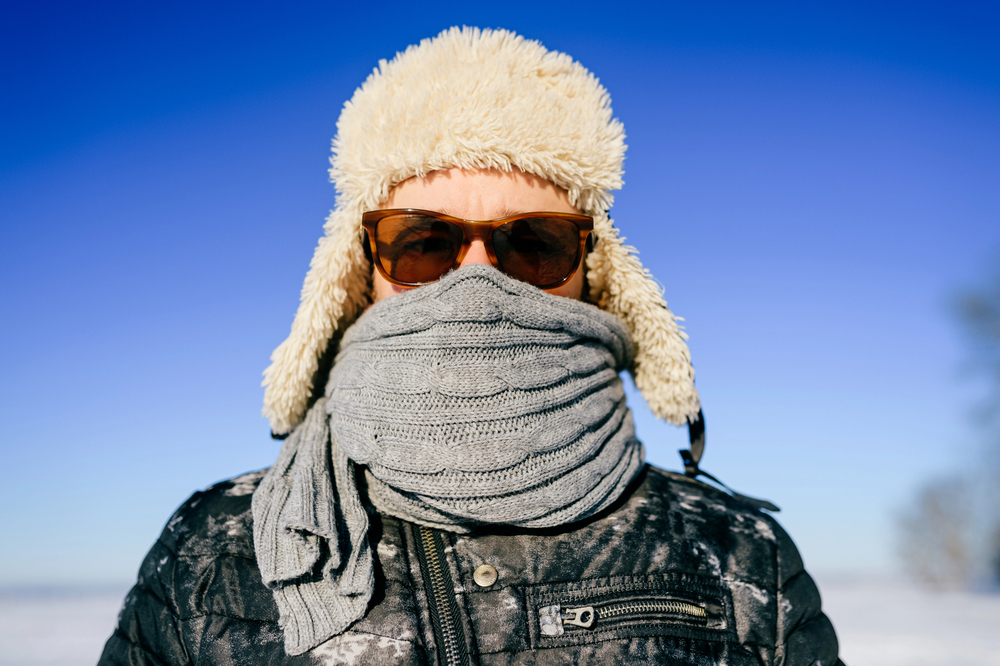
Your outer shell does more than keep you dry—it keeps the wind from stealing your body heat. In freezing conditions, wind exposure can lead to frostbite in ten minutes or less. It usually starts with frostnip—a burning or tingling feeling before the skin goes numb and turns pale. That’s your warning. Ignore it, and you’re headed for permanent damage.
Hands and feet lose heat fast. I keep a German Army wool blanket in my truck—70% wool, 30% synthetic. It won’t burn, works when wet, and it saves lives when expensive heated gear fails in the cold.
Shelter Systems With Built-In Redundancy
Relying on just a tent is the second deadly mistake I see winter campers make. When a blizzard hits and your tent poles snap from ice buildup, what’s your backup plan? I’ve watched experienced outdoorsmen panic when their primary shelter failed because they never considered redundancy.
Modular Approach to Winter Shelters
Smart winter campers use modular systems. Your tent provides your main shelter, but pair it with a quality tarp that serves multiple functions. I’ve rigged tarps as wind barriers, emergency lean-tos, and heat reflectors to boost warmth from campfires. The key is choosing a tarp that’s large enough to create a proper windbreak and sturdy enough to handle ice loading.
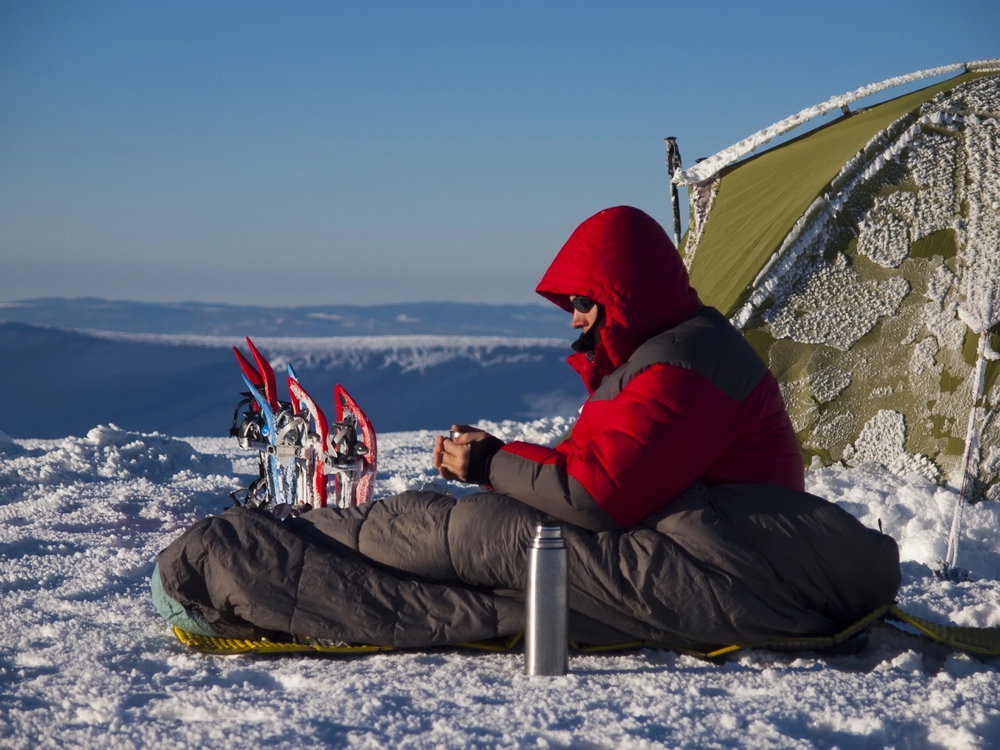
Ground insulation separates the living from the dying in winter conditions. The earth sucks warmth from your body faster than you can generate it, even through a sleeping bag. I use multiple sleeping pads—a foam pad for puncture resistance and insulation, topped with an inflatable pad for comfort. Between them, emergency blankets create vapor barriers that reflect body heat back up.
Emergency Backup Options
In extreme conditions, I dig sleeping platforms in snow to create insulated dead air spaces. Snow is an excellent insulator when used correctly—the same principle igloos rely on for warmth. The platform keeps you off the heat-sinking ground while surrounding snow walls block wind.
Always pack backup shelter materials. A bivy sack doesn’t weigh much, but if your shelter gives out, it could save your life. Those cheap emergency blankets? They’re not warm, but they bounce back a lot of body heat and can work as a quick shelter if you set them up right. In winter, having backups isn’t being paranoid—it’s just common sense.
Fire Building in Harsh Winter Camping Conditions
When it’s minus 30 and everything’s iced over, getting a fire going isn’t just useful—it’s survival. Your regular Bic? Forget it. In that kind of cold, it won’t spark, and trying to light anything with frozen fingers can turn bad fast.
Multiple Fire-Starting Methods
I carry three different fire-starting methods: waterproof matches stored in multiple locations, a ferro rod that works in any weather, and petroleum jelly cotton balls that ignite even when wet. But having the tools means nothing if you don’t know how to find and prepare winter tinder.
Birch bark still lights when it’s wet—those oils in it just burn. Pine needles? Great kindling, catches fast, burns hot. But fatwood—that’s the stuff. Packed with resin, and it’ll burn in a snowstorm. You want to know what this stuff looks like before you’re out there freezing, not when your hands are already going numb.
Fire Building Strategy
I prepare teepee-style fire structures in advance, with tinder, kindling, and fuel wood properly arranged—ready to ignite before the cold compromises hand dexterity. Everything stays within arm’s reach because once that fire starts, you can’t afford to leave it unattended while searching for more fuel.
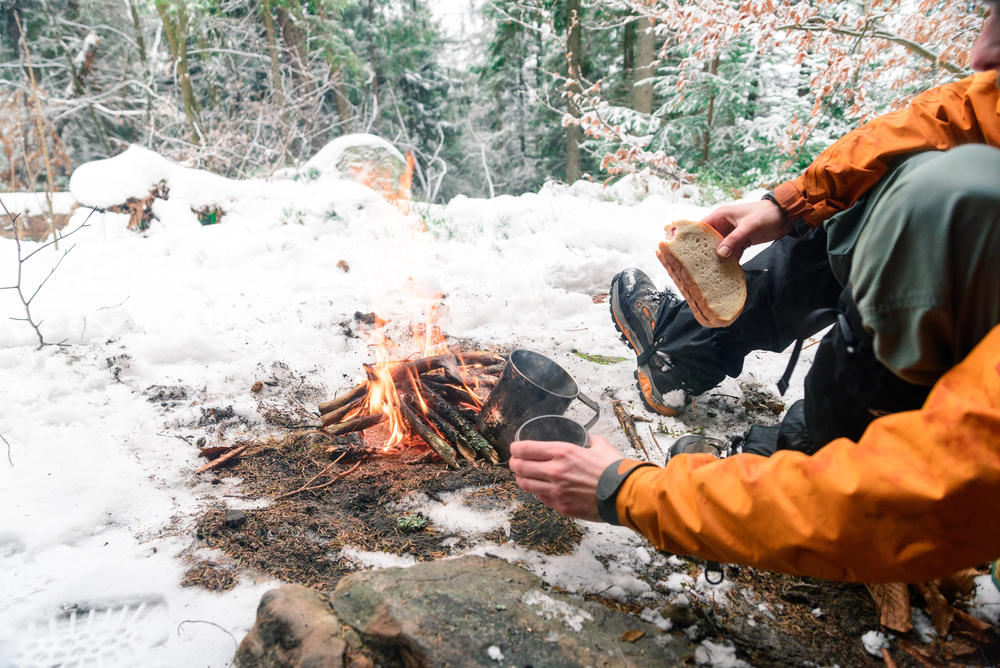
Wind kills fires faster than anything else in winter. Create windbreaks using logs, rocks, or snow walls. Position yourself so smoke doesn’t fill your shelter area, but close enough that radiant heat reaches you. I often build fires against large rocks or logs that absorb heat during burning and radiate warmth long after flames die down.
Advanced Gear Modifications That Save Lives
Experienced winter camping enthusiasts often modify standard gear to handle extreme conditions instead of relying on high-priced specialty equipment. Wrapping duct tape around water bottles adds insulation and doubles as emergency repair material. It also prevents the bottle from freezing to your hands and makes it easier to identify in low light.
Temperature Control Solutions
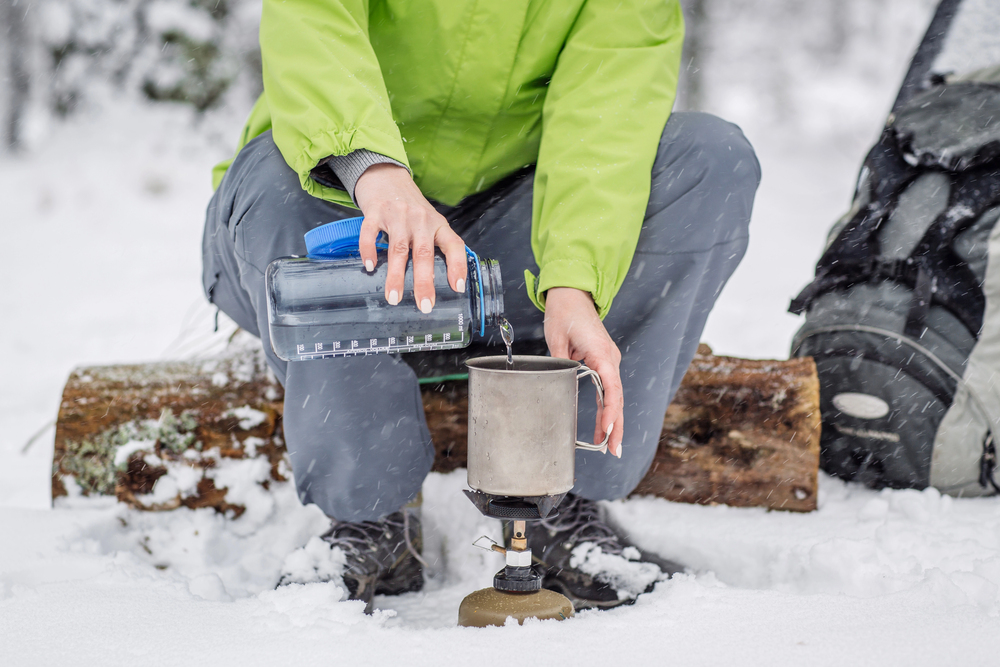
Before I climb in for the night, I boil water and pour it into a leak-proof bottle—something that can take the heat. I toss it in the sleeping bag about 10 or 15 minutes ahead. That trapped warmth lasts for hours. Out in the real cold, it’s not just comfort—it’s what keeps you sleeping through the night. Just make sure the bottle seals tight. If it leaks, you’re done. A soaked bag in winter is game over.
I’ve seen people skip this step because they’re tired or think they’ll warm up the bag with body heat alone. It doesn’t work. You’ll lie there shivering, wasting energy you can’t afford to lose. That hot water bottle does the heavy lifting so your body doesn’t have to. It’s one of those little things that makes a big difference when the temps drop hard. Miss it once, and you won’t forget again.
Emergency Organization Systems
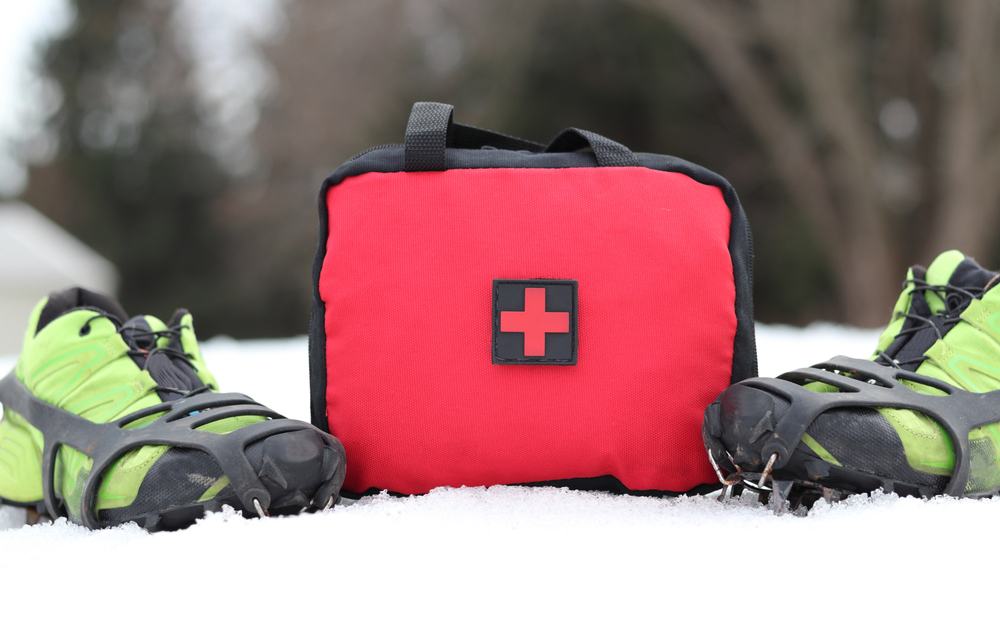
If your hands are frozen and the wind’s kicking up, you don’t have time to dig around for gear. You need to grab what you need now. When your hands stop working and the weather turns, neatness doesn’t matter—speed does. I don’t color-code my gear just to stay organized—I do it so I’m not fumbling for a lighter or a bandage in a whiteout. Red is fire, blue is medical, yellow is shelter. It’s not some fancy system—it’s a habit that’s kept me alive. No guessing. No wasted time.
Practice and Preparation
Don’t just pack it—train with it. Put your gloves on and try grabbing your gear outside, even if it’s just in your yard. What’s easy with bare hands turns clumsy real fast when your fingers can’t feel. What seems easy with bare hands becomes nearly impossible with thick gloves or mittens.
Anything you might need in a hurry should go in outer pockets—somewhere you can reach without taking off your pack. And never keep all your emergency gear in one place. Packs get lost, torn, or buried. I carry fire-starting tools, a shelter sheet, and basic first aid in my jacket and cargo pockets. If the pack’s gone, I’ve still got what matters.. This redundancy has saved my life more than once when primary gear failed or became inaccessible.
Create muscle memory for your gear layout. In extreme cold or limited visibility, you’ll rely on touch and habit to find what you need. Every piece of equipment should have a designated location that never changes. This consistency lets you locate critical items even when stress and cold affect your thinking.
Cold Weather Nutrition and Hydration Strategy
Cold burns energy fast. The cold drains your energy fast. You’re losing water with every breath, and you won’t feel thirsty until it’s already a problem.. That foggy head or sudden fatigue? It’s usually dehydration—or you’re running low on fuel.
Food matters. In a deep cold, your body can burn up to 30% more calories. I go with high-fat, high-calorie food I can eat fast. Nuts, jerky, dense energy bars—things that hit hard and don’t take time. If I need something warm, I’ll boil water, toss in oats, and mix in raisins or nuts. Quick, hot, and it does the job. Avoid anything with high water content—it freezes solid and becomes useless out there.
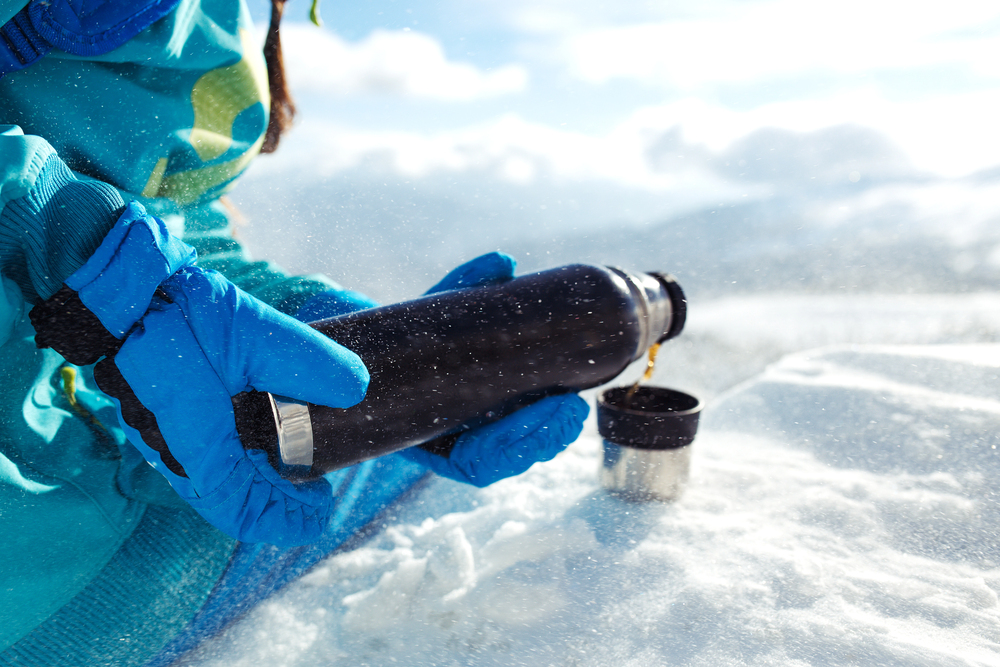
Same goes for drinks. A hot drink doesn’t just warm your body—it resets your head. Cocoa, sweet tea, anything with real calories will fuel you better than plain coffee. Preheat your thermos so it stays hot longer. And skip the alcohol—it feels warm going down, but it speeds up heat loss and clouds your judgment.
Electrolytes matter more than most people think. Cold doesn’t stop you from sweating, and fast breathing drains salt quickly. When you’re low, things go sideways—cramping, foggy thinking, hands that won’t listen. I keep salted peanuts in one pocket and a couple of electrolyte packs in the other. Easy to reach when I need them.. Sometimes that small hit is the difference between keeping pace or falling apart.
Emergency Protocols That Work
In winter camping, watch for hypothermia and frostbite while you can still do something about them. Hypothermia starts with violent shivering, then your brain slows down and you begin making poor decisions. Don’t wait for it to get serious—catch the signs early, while your hands still work and your thinking’s clear.
Preparation and Communication
Run through your emergency drills at home. Build your backup shelter. Light fires wearing thick gloves. Find your gear in the dark. When real emergencies hit, you won’t have time to figure this out. Your hands will be shaking and your brain won’t work right.
Winter weather changes fast. It can go from clear skies to a whiteout in minutes. If that happens, no one’s coming to get you. Bring a satellite messenger for remote areas. Pack extra phone batteries. Carry a whistle and signal mirror.
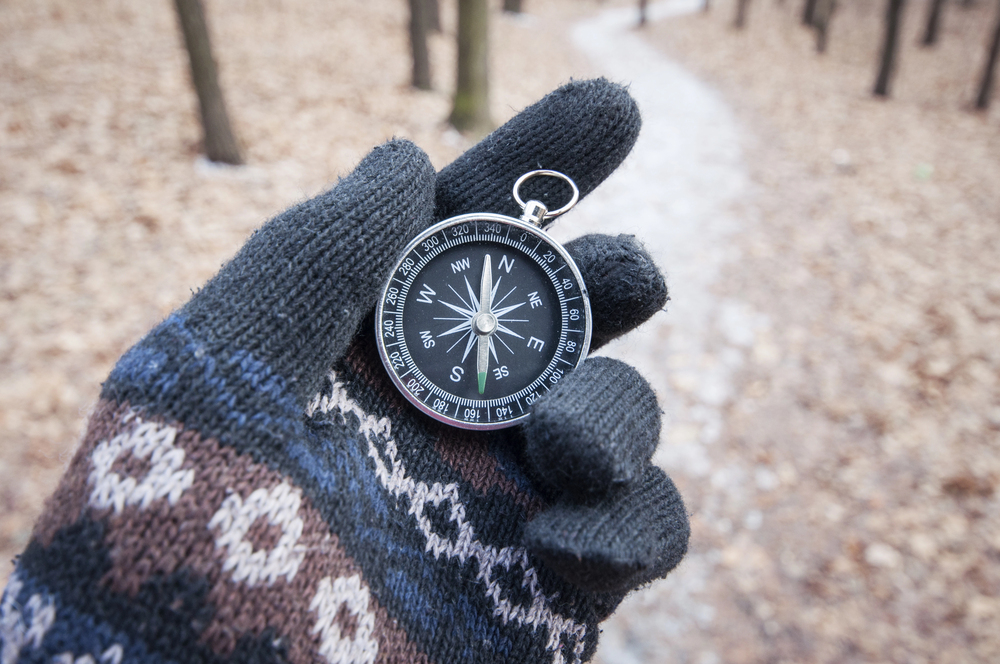
Figure out how you’ll get out before you even leave the house. Where’s the closest road? Any cabins or ranger stations nearby? Put these on your map. Tell a reliable person your plans and return date. Choose someone who won’t just assume you’re having too much fun to come home.
Know What You’re Walking Into
Winter doesn’t care how tough you are. In winter camping, respect isn’t optional—it’s survival. The tips I’ve shared come from real situations where the line between “fine” and “in trouble” disappeared fast. Your gear isn’t about comfort. It’s about whether you make it home.
These seven winter camping essentials aren’t just gear list fluff—they’re what actually works when the cold gets serious. Smart layers that keep you dry, backup shelter when your tent rips in the wind, and systems you’ve tested, not just packed.
The difference between a solid story and a rescue call? It’s often what you knew before things went sideways. Drill the basics. Get your hands on gear that won’t fail when you need it. And pay attention to the signs—weather turns quick, and so does your luck.
Don’t chase fancy gadgets. Indigenous Arctic communities have survived for centuries using skill, not branding. Know your tools. Trust your setup. Learn in safe conditions so you’re ready when it’s not.
Take winter camping seriously. Prep like it matters—because it does.