

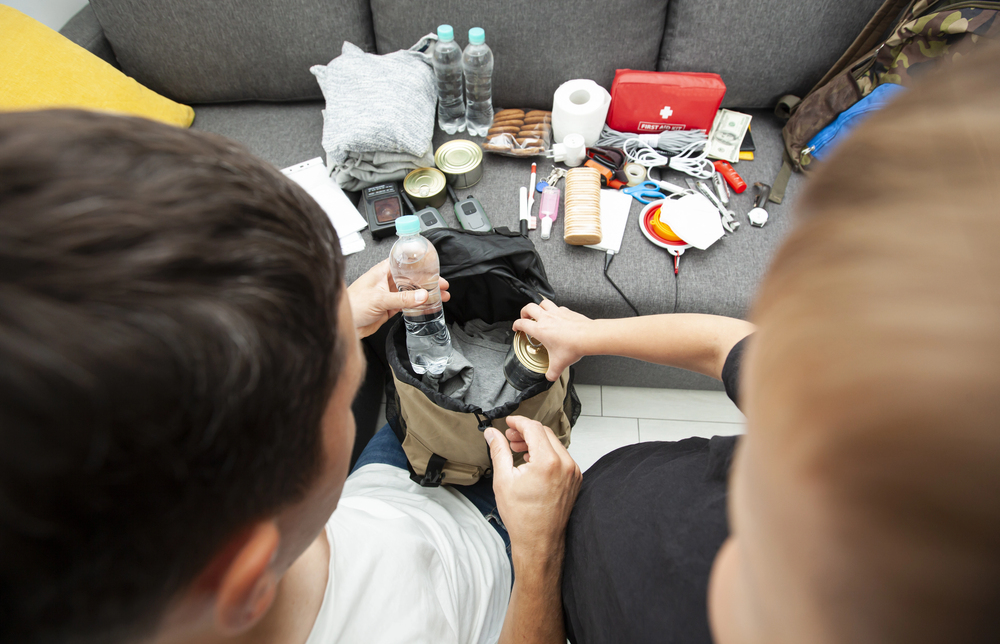
Most people start emergency preparedness the same way – with a single, well-stocked family bug-out bag filled with standard survival essentials. Water, food, first aid supplies, basic tools. Check all the boxes, feel prepared, move on.
The problem becomes obvious when you actually think through using it. What if we had to evacuate quickly? I’d grab my fancy backpack while trying to calm down a crying child who wants their favorite blanket. Meanwhile, an elderly family member would be fumbling around looking for their heart medication because stress makes their condition worse. And the family dog would be hiding under the bed because loud noises send them into panic mode..
My awesome survival kit? Completely useless. None of that gear would help with what was actually happening – a crying child, an elderly man having a medical episode, and a frightened dog.
The Problem with Standard Emergency Kits
Your family isn’t identical. Kids need games and their favorite blanket to stay calm when everything’s chaotic. Elderly relatives need walking sticks and their daily medications. Pets have their own specific food requirements and medications too. A standard survival kit just doesn’t account for any of this.
Family emergency planning isn’t about stockpiling gear. It’s about figuring out how to keep a group of different people – each with their own challenges and needs – from completely breaking down when disaster strikes.
The biggest misconception I had to overcome? Thinking “it’ll never happen to us.” There are houses just down my street that have flooded while mine stayed completely dry. The only difference was a few meters of elevation. Bad luck doesn’t discriminate. When emergencies hit, they move fast, and you better have your exit strategy ready.
Building Your Family Bug-Out Bag: Children Come First
Keeping Children Calm During Emergencies
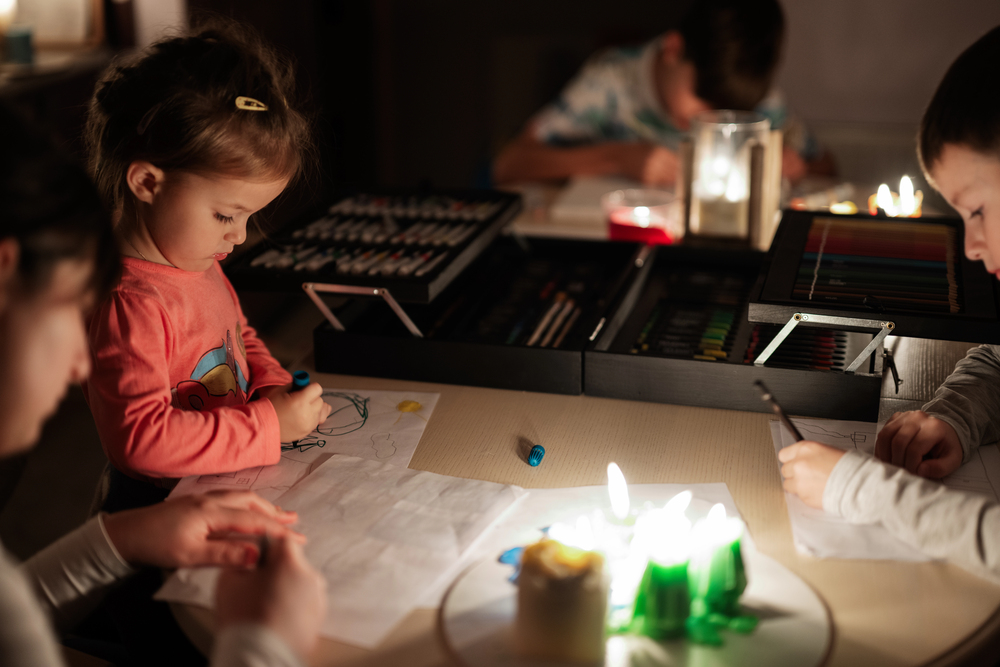
Emergencies involve a lot of waiting around. You might be stuck in a shelter, camping somewhere temporary, or just riding out a power outage at home. Adults worry and make plans during these periods. Kids get bored and scared.
Kids get bored fast during emergencies, and bored kids make stressful situations worse for everyone. That’s why keeping them occupied isn’t optional – it’s necessary for the whole family’s wellbeing. Pack games or activities to keep them busy while you’re dealing with the crisis.
Pack simple entertainment that doesn’t need batteries. Playing cards take up no space and last for hours. Crossword puzzles, checkers, or paper and colored pencils also work. Get things that occupy several kids at once so they’re not all demanding your time.
Don’t forget comfort items. These address the emotional side of emergencies. That teddy bear or special blanket your kid sleeps with every night? Pack it. You might think it’s unnecessary, but when everything’s falling apart, familiar objects keep children from completely melting down.
Food Challenges with Young Eaters

Hungry children are worse than hungry adults. Adults eat whatever’s available when they’re starving. Kids refuse food they don’t recognize, then get cranky from low blood sugar.
Pack foods your children actually eat. Skip the nutritionally perfect options if your kids hate them. Familiar snacks work better than optimal nutrition during emergencies. Juice boxes, their regular crackers, whatever keeps them eating.
Getting calories into children matters more than perfect nutrition when you’re dealing with a crisis.
Include Your Kids in Planning
Talk to your children about emergency preparations. Sure, they’ll want to pack their entire bedroom, but kids notice things adults miss. One child might remind you about their inhaler. Another might mention they can’t sleep without their special blanket.
When they ask for something that won’t work – like bringing their bike or ten books – take a minute to explain the problem. Let them feel how heavy the bag is with their extra items, or show them there’s no room left. Kids get it when you show them rather than just telling them no. They also stop whining and start helping you figure out what actually fits.
Addressing the Unique Needs of Elderly Family Members
Planning for Elderly Family Members
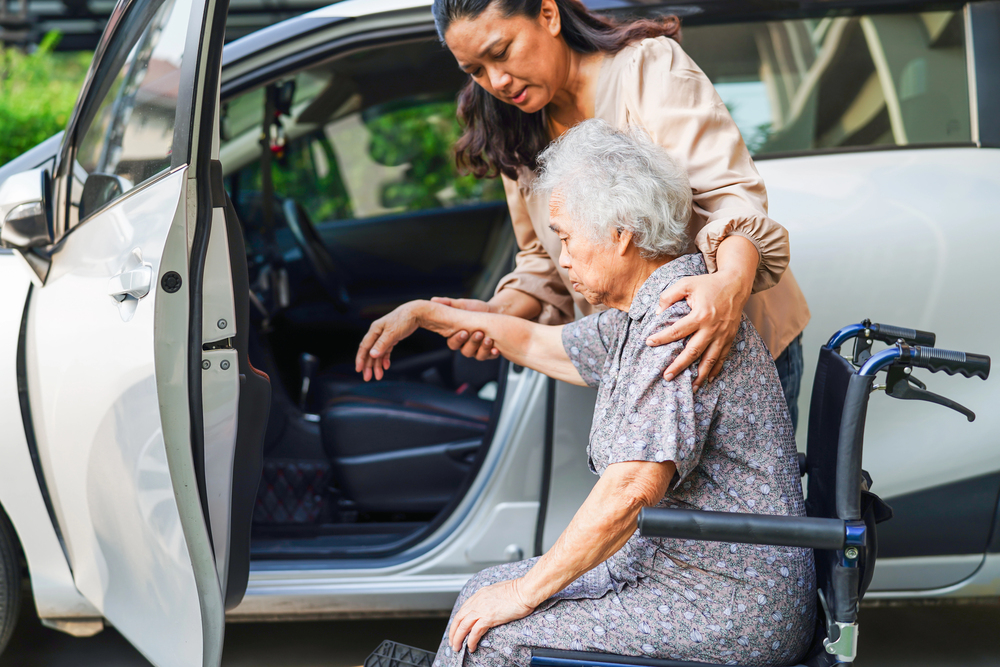
Emergency plans often assume everyone can walk miles or climb stairs. If you have older relatives, check whether your evacuation route actually works for them.
Pack mobility aids. A walking stick folds down small but prevents falls. Extra shoes with good tread help on wet or uneven ground. A lightweight folding chair lets someone rest when standing becomes too much.
These aren’t luxuries – they’re necessities that keep elderly family members mobile and included instead of becoming burdens during an already difficult situation.
Medical Needs and Medication Management
Older adults often take medications that can’t be skipped. Blood pressure pills, diabetes medication, heart drugs – missing doses creates real medical emergencies.
Keep a week’s worth of each prescription on hand. Rotate them out before they expire. Make a list on actual paper with medication names, how much they take, and their doctor’s phone number. Your phone might be dead or broken when you need this info most.
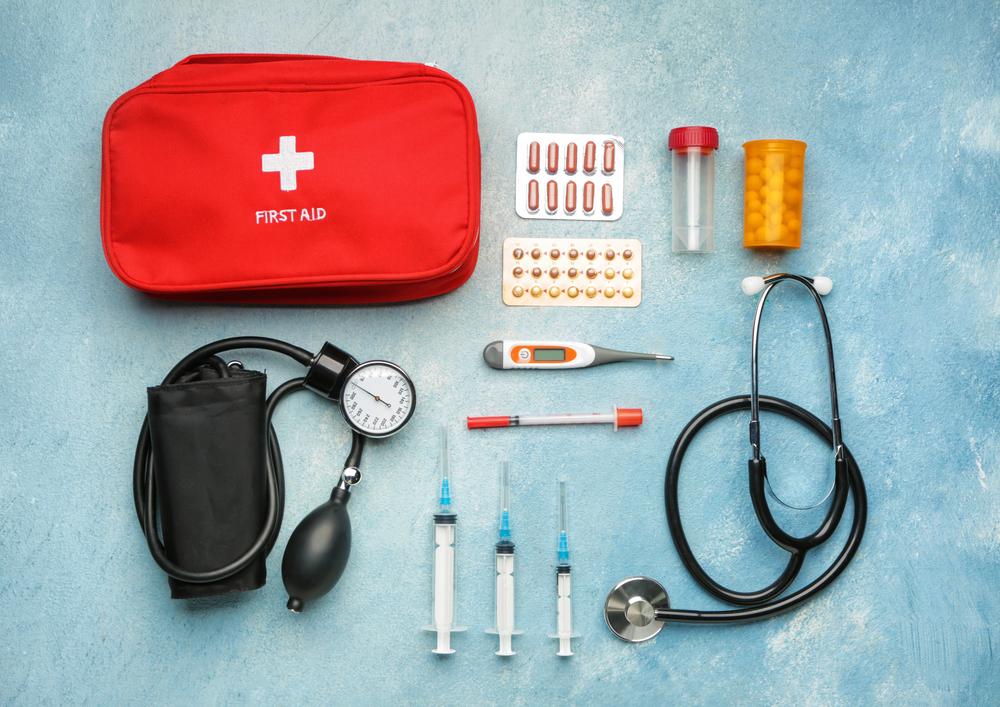
The medical supply list extends to things like extra reading glasses, hearing aid batteries, and any mobility devices. I learned to ask specific questions: Do you need a magnifying glass to read medication labels? Do you have spare eyeglasses? Do you need extra warm socks for circulation issues? These aren’t questions I would have thought to ask without direct input from the people who would actually be using these supplies.
Communication and Inclusion
Older adults know their bodies better than you do. Sit down and ask what they’d want in a family bug out bag. You’ll be surprised by their answers.
Some need blood pressure monitors because stress affects their readings. Others want earplugs for noisy shelters. One person might need extra warm socks for circulation problems. Someone else can’t read pill bottles without a magnifying glass.
Sounds like little things, right? But when your elderly parent can’t check their blood pressure during a stressful evacuation, it becomes a serious medical issue. Talk to them ahead of time instead of trying to guess what they’ll need.
Don’t Forget the Pets: Four-Legged Family Members Matter Too
Essential Pet Emergency Supplies
Pets get forgotten in emergency planning until evacuation time hits and you’re scrambling to figure out what to do with your dog or cat.
Pack three days of their regular food – not just any pet food. Switching brands during stress gives many animals stomach problems. Bring extra water too since stressed pets drink more, especially in hot weather.
Don’t forget medications. Flea and tick treatments matter when you’re staying in unfamiliar places. Heartworm pills, prescription meds, anything they take regularly needs to come along.
Indoor cats need leashes and carriers for evacuation situations. Try carrying a scared cat while hauling bags and kids – it won’t work. Pets that are normally chill will freak out and run off when everything’s chaos.
Pet Comfort and Stress Management
Your pets have no clue what’s happening when an emergency hits. They were just napping on the couch, and now there are sirens outside, people yelling, and you’re throwing items into bags. To them, everything just went crazy for no reason.

Pack comfort items for your pets. Their favorite blanket smells like home. A special toy keeps them busy when they’re anxious. Regular treats help calm them down when they’re freaking out in an unfamiliar place.
This isn’t just about being nice to your pet. Stressed animals are harder to manage. They whine, pace around, refuse to eat, or try to escape. A calm pet makes your emergency situation much easier to handle.
Some pets need extra help during loud situations like storms. Thunder blankets or anxiety wraps take up little space but make a real difference for nervous dogs. If your pet takes anxiety medication normally, definitely pack extra doses.
Pet Documentation and Identification
Shelters won’t take your pet without proof of vaccinations. Keep copies of vet records in your emergency kit.
Take photos of your pets now – clear shots showing their face and any distinctive markings. If they get loose during evacuation chaos, you’ll need these to post on social media or make flyers.
Check their ID tags regularly. Phone numbers change, people move. A collar tag with wrong information is useless. Microchipping works better since it can’t fall off, but you still need to keep your contact info updated with the chip company.
Creating Your Complete Family Bug-Out Bag Strategy
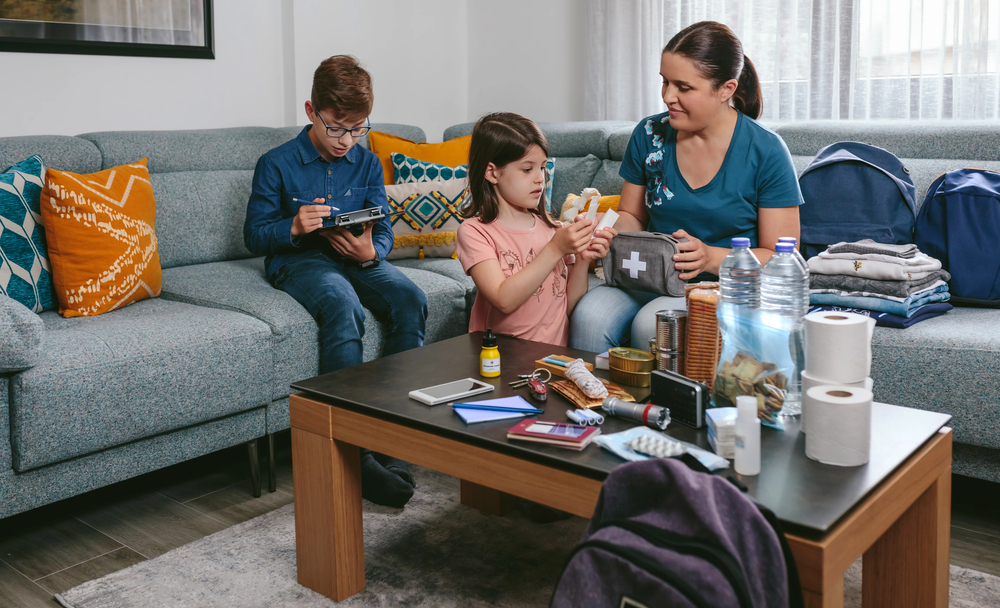
Balancing Individual Needs with Group Logistics
You can’t pack everything everyone wants. Space runs out fast, bags get too heavy, and someone has to carry it all.
Figure out your evacuation method first. Leaving by car? You can bring extra blankets, more food options, bulky comfort items. Walking out on foot? Everything gets cut down to absolute necessities.
This is why you need to talk through choices with your family ahead of time. When your kid understands that the family bug out bag only holds so much, they’ll pick their stuffed animal over three extra toys. Your elderly relative will prioritize their essential medications over comfort items once they understand the weight limits.
Figure this out now, not when alarms are going off and you need to leave.
The Importance of Practice and Regular Updates
Emergency bags sitting in closets don’t help anyone. Your family bug-out bag needs to be something your family knows how to use effectively.
Practice evacuations twice a year. Set a timer and see how fast everyone can grab their assigned items and get to the meeting spot. Kids forget which bag is theirs. Adults can’t find the flashlight in the dark. Elderly family members might struggle with bag weight they could handle six months ago.
These practice runs show you what’s broken in your plan. Maybe the three-year-old can’t actually carry their bag. Maybe grandma’s arthritis got worse and she needs a lighter pack. Maybe your dog freaks out more than expected.
Check expiration dates during these drills. Food, medications, batteries – they all go bad. Update contact information if people moved or changed phone numbers. Replace clothes that kids outgrew
Emergency plans only work if they fit your family right now, not how things used to be.
Overcoming the “It Won’t Happen to Us” Mentality
If you think you’re not prone to disasters and emergency situations, you’re mistaken.
Bad luck doesn’t check your income, your neighborhood, or how careful you are. Disasters are random. The house next door floods while yours stays dry because of three feet of elevation difference. The tornado hits your street but skips the next one over.
You’re not special. You’re not immune. You’re just unprepared.
The families who get through tough situations aren’t the ones with tons of equipment or perfect plans. They’re the ones who faced facts and took action before the crisis hit.
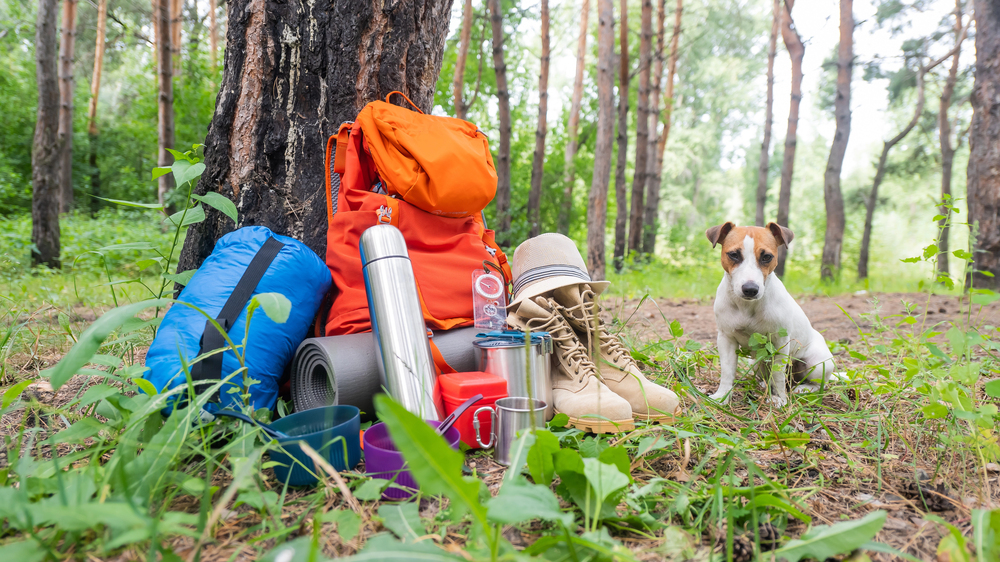
Preparedness Brings Peace of Mind
Quit making excuses. Your family depends on you getting this right. Emergency prep isn’t about expensive gadgets or complicated plans. It’s about making sure your actual family – with their real needs and limitations – can get through a crisis without falling apart.
The mental resilience you gain from being prepared changes everything. No more lying awake wondering “what if.” No more panic when storm warnings come on TV. You’ll know exactly what to do because you’ve already figured it out.
This week, sit down with each family member and ask what they’d actually need in an emergency. Their answers – from inhalers to stuffed animals – will reveal the real-world details that make or break your evacuation plan..
Write down their answers, even the ones that seem silly. Start collecting supplies for one person at a time for your family bug out bag, and set a date for your first practice evacuation.
Stop overthinking and just start – grab a flashlight, fill a water jug, whatever you can do right now.. Your family expects you to handle this. Prepare while you have time to think straight and make smart choices. When something bad happens in your area – not if, when – you’ll either have your act together or you’ll be running around like everyone else who waited too long.
Which family do you want to be?